Просмотр новости
Найдите то, что Вас интересует
 Спутники
 РН
РН SpaceX
 Роскосмос
 NASA
NASA
СпутникиРНSpaceXРоскосмосNASA
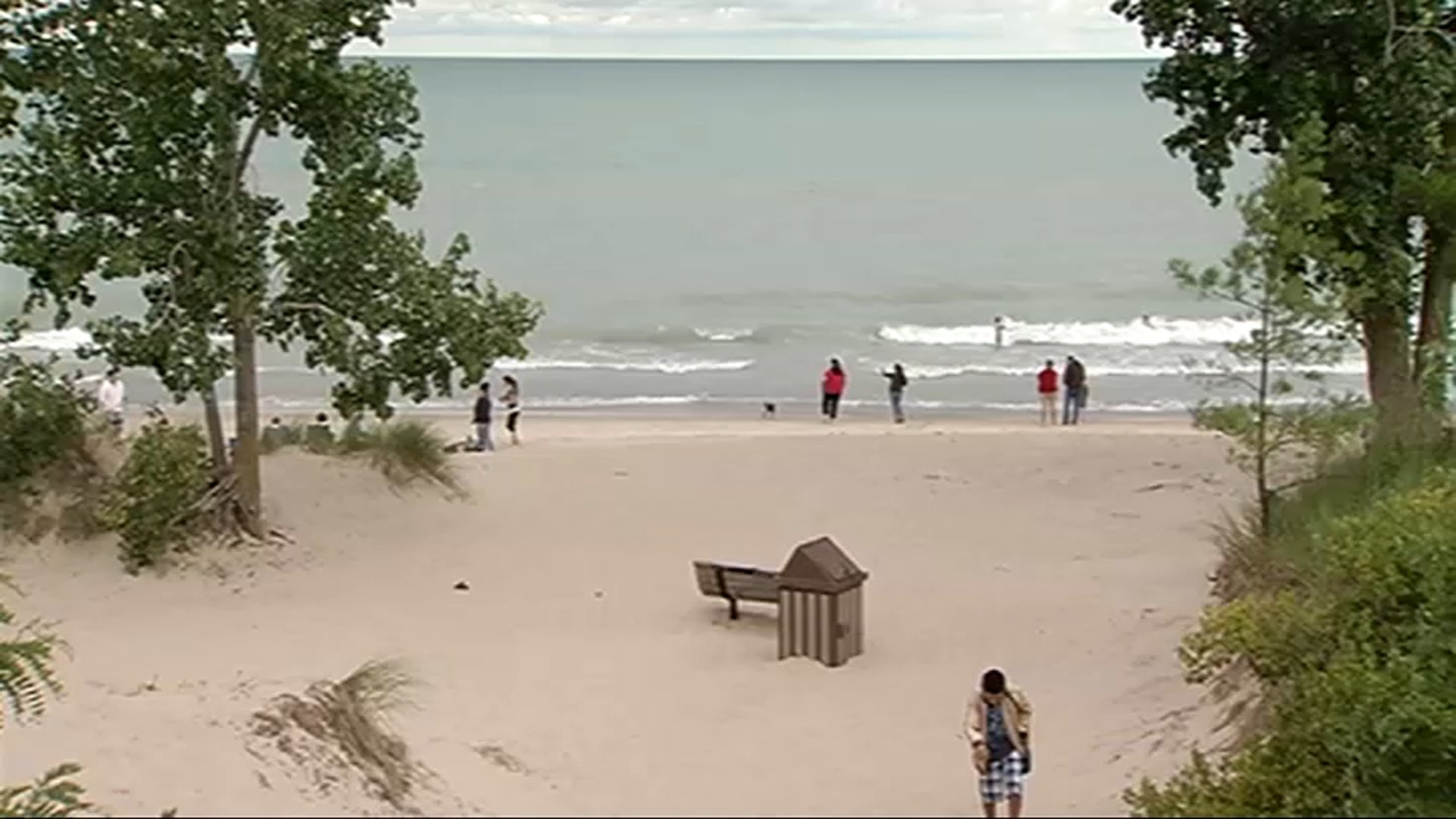
As the Chicago area is blanketed in a thick layer of hazy wildfire smoke on Thursday, many outdoor camps and events to shifted indoors and pools and beaches were closed as officials advised people to avoid breathing in the unhealthy air by spending the day inside.
However, we know staying inside all day is not an option for everyone.
NBC Chicago spoke with Dr. Jeremy Smiley at Endeavor Skokie Hospital about what people who have to step outside should know to stay safe until the air quality improves.
Should I wear a mask if I go outside?
Smiley said the efficacy of a mask “really depends on the kind of mask.”
“A plain old cloth mask probably won’t really do much. If you’re going to be wearing a mask, you probably want to dust off like your COVID stockpile of N95s because it’s really that type of mask, that respirator, that will prevent a lot of the particle matter from getting into your lungs,” he said.
However, the heat complicates things.
“There’s a trade-off because it’s also really hot, and so breathing through a tight-fitting mask paired with the high heat — it’s probably better to just stay inside if you’re an at-risk population rather than to go outside and walk around if it’s not needed.”
If I’m not an at-risk population, should I still be concerned?
When Air Quality Index is between 50 to 100, Smiley said “it really doesn’t affect much of the decisions we make, or I personally make.” By comparison, Chicago’s AQI was over 400 on Thursday, which was high enough for Smiley to avoid taking a long walk with his dogs.
“I will choose to not do a vigorous exercise outside because it’s just not worth the risk,” he said. “If I have an opportunity to stay inside in an air conditioned and air-controlled environment, I’d rather do that because it will avoid any sort of exposure to this particle matter that’s around us.”
If I do go outside and I’m exposed to the air, should I be concerned about that?
If you’re worried about exposure, pay attention to how you’re feeling after, Smiley said.
“If you’re feeling okay, I think that you’re going to be just fine,” he said. “I’d probably limit your exposure outside. But if you have to be outside going into the grocery store or appointments, I wouldn’t modify what you do. Just be aware of how it makes you feel.”
However, if you notice the following symptoms, it’s time to get inside.
Eyes and/or throat irritation
Shortness of breath
Feeling generally unwell
If you feel those symptoms, it’s “time to just hide,” Smiley said.
“Get yourself inside. Get yourself out of the out of the environment,” he said.
How long will the symptoms or effects of breathing the air last?
If you only have mild symptoms, they should resolve by the time you get yourself inside, take it easy and rest, Smiley said.
“I’d expect those symptoms to improve pretty quickly,” he said. “When you’re inside, I would take precautions.”
Make sure to do the following while recovering:
Turn your air conditioning on
Consider getting a good air filter if you don’t have one
Avoid certain activities
Avoid frying food
Don’t vape or smoke
As the Chicago area is blanketed in a thick layer of hazy wildfire smoke on Thursday, many outdoor camps and events to shifted indoors and pools and beaches were closed as officials advised people to avoid breathing in the unhealthy air by spending the day inside.
However, we know staying inside all day is not an option for everyone.
NBC Chicago spoke with Dr. Jeremy Smiley at Endeavor Skokie Hospital about what people who have to step outside should know to stay safe until the air quality improves.
Should I wear a mask if I go outside?Smiley said the efficacy of a mask "really depends on the kind of mask."
"A plain old cloth mask probably won't really do much. If you're going to be wearing a mask, you probably want to dust off like your COVID stockpile of N95s because it's really that type of mask, that respirator, that will prevent a lot of the particle matter from getting into your lungs," he said.
However, the heat complicates things.
"There's a trade-off because it's also really hot, and so breathing through a tight-fitting mask paired with the high heat -- it's probably better to just stay inside if you're an at-risk population rather than to go outside and walk around if it's not needed."
People may want to consider wearing an N95 mask if they have to work or be outside Thursday, Lisa Chavarria reports.
If I'm not an at-risk population, should I still be concerned?When Air Quality Index is between 50 to 100, Smiley said "it really doesn't affect much of the decisions we make, or I personally make." By comparison, Chicago's AQI was over 400 on Thursday, which was high enough for Smiley to avoid taking a long walk with his dogs.
"I will choose to not do a vigorous exercise outside because it's just not worth the risk," he said. "If I have an opportunity to stay inside in an air conditioned and air-controlled environment, I'd rather do that because it will avoid any sort of exposure to this particle matter that's around us."
If I do go outside and I'm exposed to the air, should I be concerned about that?If you're worried about exposure, pay attention to how you're feeling after, Smiley said.
"If you're feeling okay, I think that you're going to be just fine," he said. "I'd probably limit your exposure outside. But if you have to be outside going into the grocery store or appointments, I wouldn't modify what you do. Just be aware of how it makes you feel."
However, if you notice the following symptoms, it's time to get inside.
If you feel those symptoms, it's "time to just hide," Smiley said.
"Get yourself inside. Get yourself out of the out of the environment," he said.
How long will the symptoms or effects of breathing the air last?If you only have mild symptoms, they should resolve by the time you get yourself inside, take it easy and rest, Smiley said.
"I'd expect those symptoms to improve pretty quickly," he said. "When you're inside, I would take precautions."
Make sure to do the following while recovering:
Natalie Martinez spoke with health experts who are urging residents to be mindful of the impacts poor air quality could have on lung and heart health.