Просмотр новости
Найдите то, что Вас интересует
 Спутники
 РН
РН SpaceX
 Роскосмос
 NASA
NASA
СпутникиРНSpaceXРоскосмосNASAOnce upon, mass timber construction was the norm. Using it today isn’t a return to the past, but a reminder that structure is more than something to be hidden. I’ve...
Source
We may receive a commission when you use our affiliate links. However, this does not impact our recommendations.
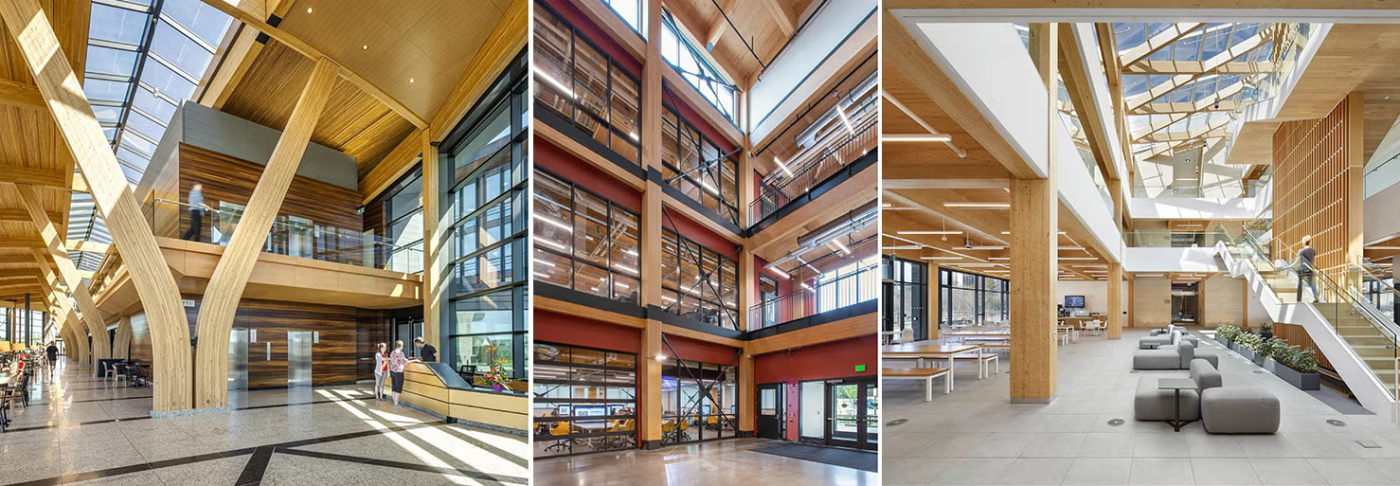 Once upon, mass timber construction was the norm. Using it today isn’t a return to the past, but a reminder that structure is more than something to be hidden.
I’ve always enjoyed pieces that actively show how they’re made. Exposed joinery, visible grain (along with grain imperfections), and open structural design details tell a story. This used to be common — and continues to be common in “smaller” woodworking. Exposed dovetails and attractive hardware are two good examples.
But for large construction using many of the same materials, throughout much of the 20th century, the goal was to make structure disappear. Wooden studs and beams disappeared behind drywall and paneling. Concrete and brick were disguised with ceilings and paint. Connections and intricate joinery vanished behind finishes.
Don’t get me wrong, there were good reasons for a lot of this: Fire safety, acoustics, energy efficiency, interior flexibility and cost all figure in. While expected, in doing this we also lost a great deal of the visual honesty inherent in being able to see how something stands up.
Mass timber construction, on the other hand, reverses that trend: If it’s essential to the structure and interesting to look at, some of the most exciting buildings I’ve ever seen are putting it back on display. That decorative beam isn’t pretending to be decorative, it’s actually carrying the load. Those glulam columns aren’t just an eye-catching adornment, they’re holding the roof up.
The advantages go well beyond aesthetics. For one thing, it reduces a building’s carbon footprint versus steel and concrete processing. It speeds up completion time for onsite work, as most elements are prefabricated off-site and trucked in. Wood is lighter than concrete and steel, so foundations are less expensive. And, since part of the whole point is leaving the wood visible, finishing work is cut dramatically since the structure is already the finished surface.
On top of everything else, it just looks awesome. Sure, that’s an emotional reaction on my part, but it’s also the likely reaction of the people who end up using buildings made with mass timber methods — students, office workers, customers to hotels and theaters.
Once upon a time when everyone lived in log cabins, mass timber construction was the norm. Using it today isn’t a return to the past, but a reminder that structure is more than something to be hidden. Instead, it can be something we celebrate.
| # | Наименование новости | Тональность | Информативность | Дата публикации |
|---|---|---|---|---|
| 1 | The Bench Stool | 0 | 15.94 | 28-07-2026 |
| 2 | Online Extras October 2026 #291 | 0 | 19.35 | 27-07-2026 |
| 3 | Build A Bench Hook | 0 | 18.03 | 29-07-2026 |
| 4 | The Forgotten Gems | 0 | 16.37 | 28-07-2026 |
| 5 | Post & Rung Standing Desk | 0 | 19.83 | 30-07-2026 |
| 6 | The Splinter Report: July 31st | 0 | 18.94 | 31-07-2026 |
| 7 | From Lockup to Lumberyard | 0 | 16.8 | 31-07-2026 |
| 8 | Sander Sharpening Platform | 0 | 16.43 | 30-07-2026 |
| 9 | ShopNotes Podcast Episode 280 — We Love a Good, Sick Burn | 0 | 17.91 | 27-07-2026 |
| 10 | Флэйм : Деревянные конструкции для дачи | 0 | 5 | 15-06-2026 |