Просмотр новости
Найдите то, что Вас интересует
 Спутники
 РН
РН SpaceX
 Роскосмос
 NASA
NASA
СпутникиРНSpaceXРоскосмосNASA
Tucked between the southern reaches of Puget Sound and the foothills of the Cascade Range in Washington State, the South Puget Sound lowlands were once home to one of the most ecologically rich grassland systems in the Pacific Northwest.
Tucked between the southern reaches of Puget Sound and the foothills of the Cascade Range in Washington State, the South Puget Sound lowlands were once home to one of the most ecologically rich grassland systems in the Pacific Northwest.
Now, they’re almost entirely gone.
Restoring these prairies is vital to the survival of local pollinators such as the Taylor’s Checkerspot butterfly—one of North America’s most endangered butterflies. With only 3% of the land remaining, time is running out to save the Puget Sound and the species who call it home.
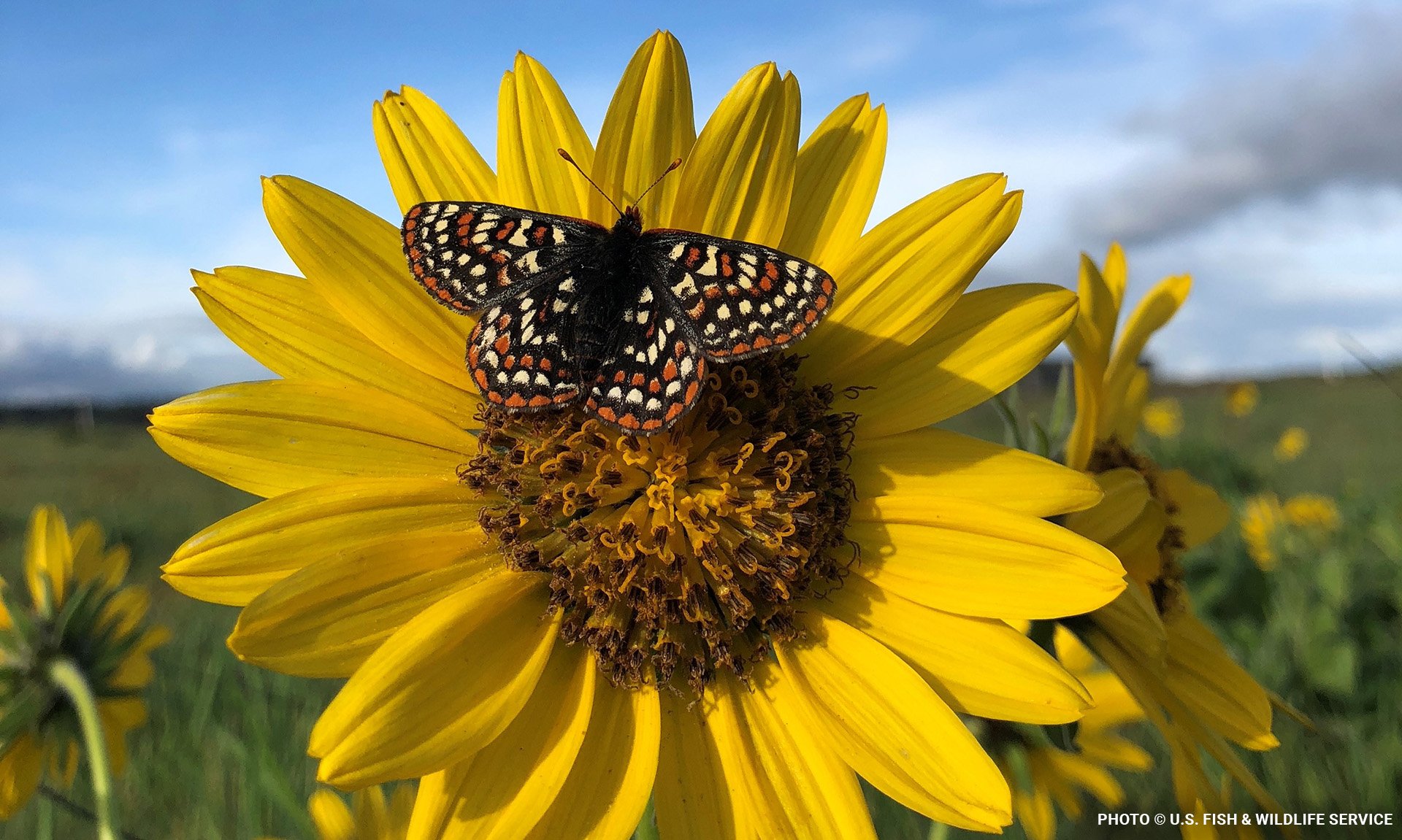
Pollinators are responsible for 75% of flowering plants and 1 out of every 3 bites of food that humans eat. But now, over 22% of native pollinators in North America are at risk, with over 70 species of pollinators already listed as threatened or endangered under the U.S. Endangered Species Act.
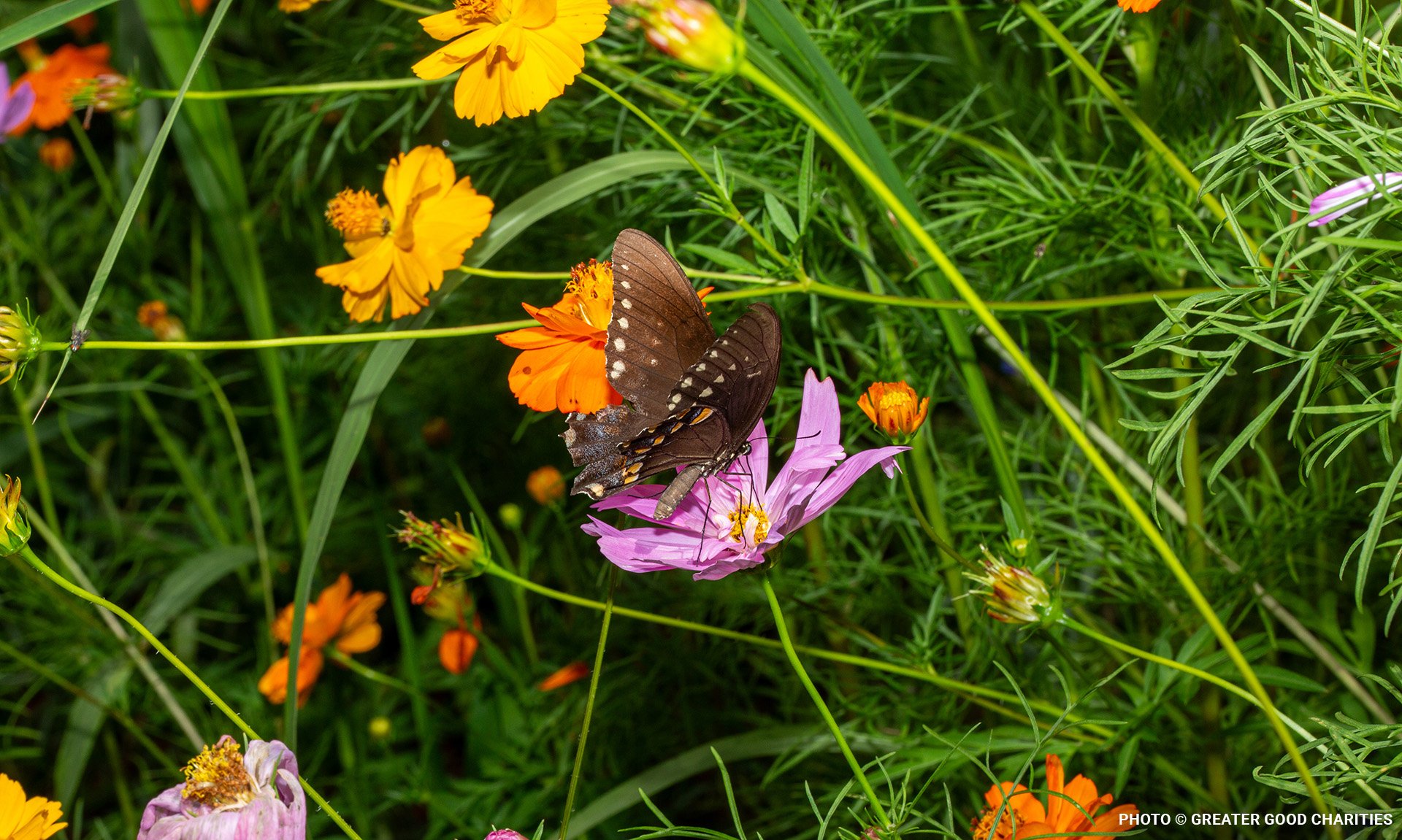
Bees, bats, butterflies, and other pollinating species are a vital part of their ecosystems, building and sustaining habitats and providing food for local wildlife. By supporting plant growth, they also help prevent soil erosion. Without these essential creatures, entire ecosystems could collapse.
The Puget Sound EcosystemShaped by glacial geology and maintained for thousands of years through the land stewardship practices of Indigenous peoples, the Puget Sound lowlands once stretched across more than 150,000 acres of open grasslands, wildflowers, and oak woodland.
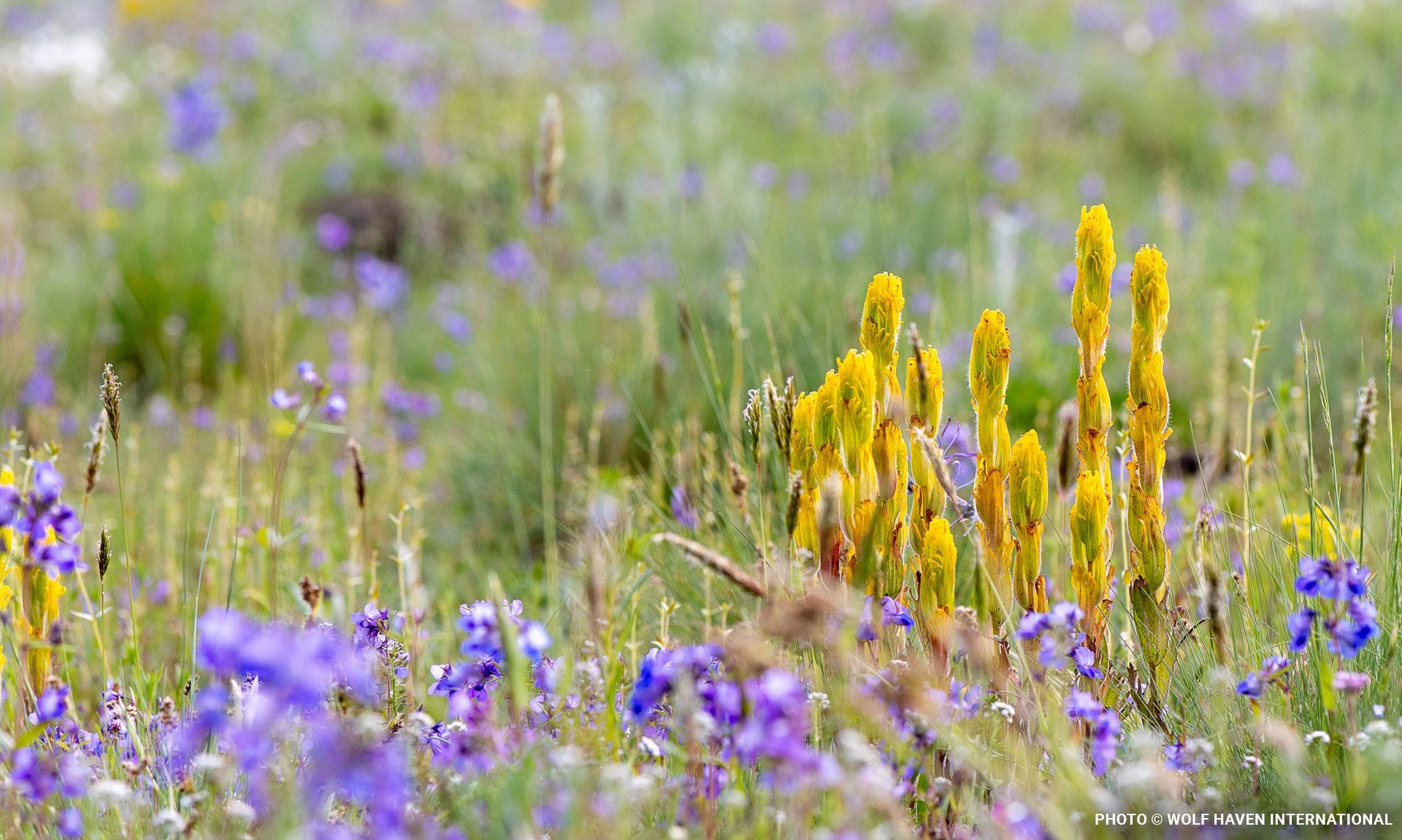
Because of its unique geography, this land is home to some species that have evolved due to genetic isolation in the prairies, like the Taylor’s Checkerspot butterfly, the streaked horned lark, and the Mazama pocket gopher. These prairies are also home to at-risk species such as the Oregon vesper sparrow, the island marble butterfly, the Mardon skipper butterfly, and the western pond turtle.
The Puget Sound prairie depends on regular, controlled fires to control invasive species and prevent the encroachment of woodlands. Fire suppression, along with development and the spread of invasive species, has drastically reduced the prairie ecosystem.
What Will Happen if the Prairie DisappearsToday, less than 3% of that landscape remains, reduced to scattered fragments by development, habitat fragmentation, and invasive species pressure driven by the rapid expansion of the greater Seattle metro region.
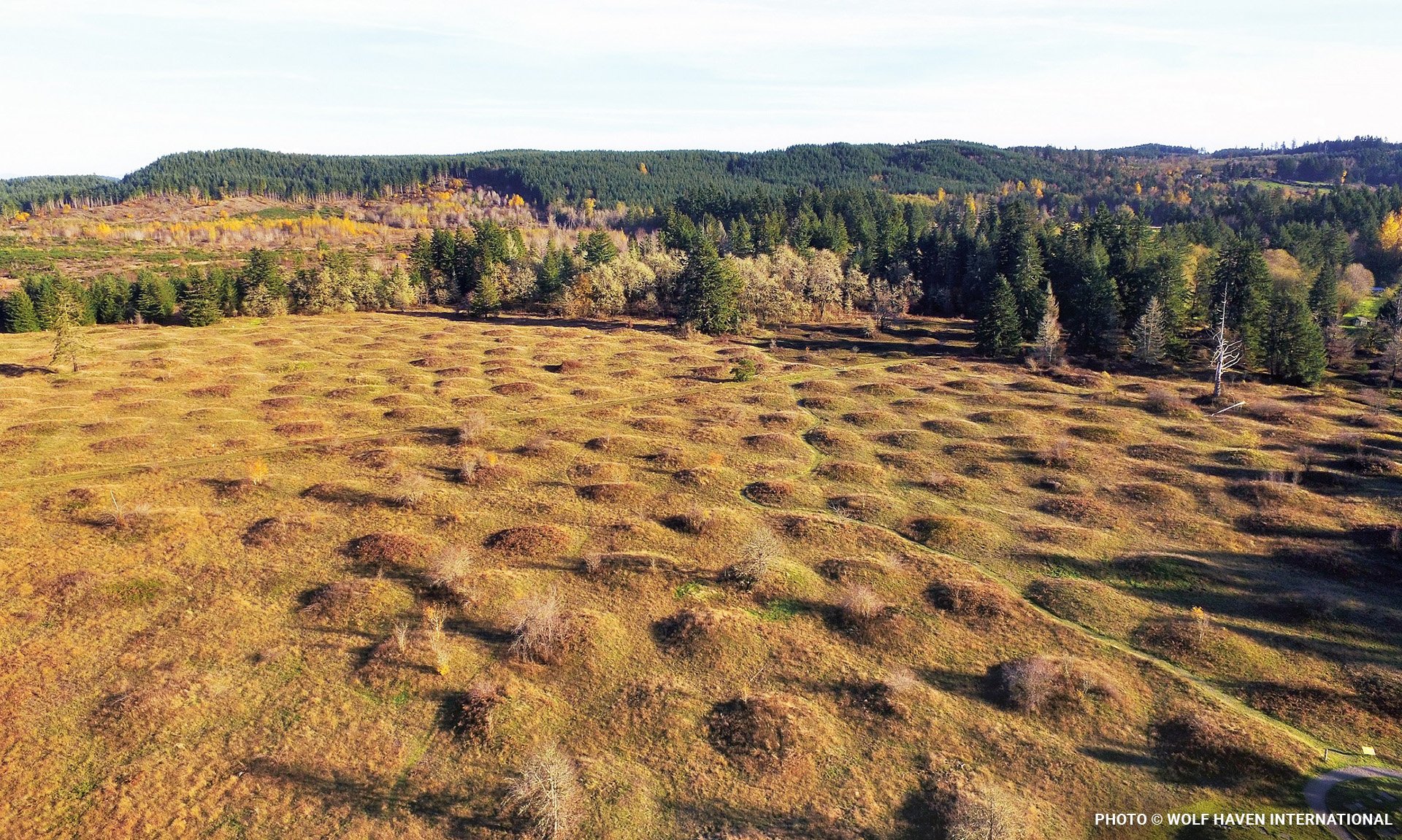
Of the prairie that remains, only 1% is considered to be in good ecological condition. Once converted to housing, industry, or agriculture, native prairie rarely, if ever, returns. As habitat disappears, so do the species that depend on it, including pollinators, rare plants, and federally threatened wildlife.
How Habitat Restoration WorksAt the center of this story is a critical but often invisible bottleneck: native plant materials. Restoration cannot happen at scale without a robust, regionally sourced supply of seeds, plugs, and nursery stock. Even when land and funding are available, restoration stalls if the plants are not there to put in the ground.
Greater Good Charities’ Biodiversity & Conservation efforts, through its Pollinator programs, is directly addressing this gap in the South Puget Sound, working alongside established partners who have been stewarding this ecosystem for decades.
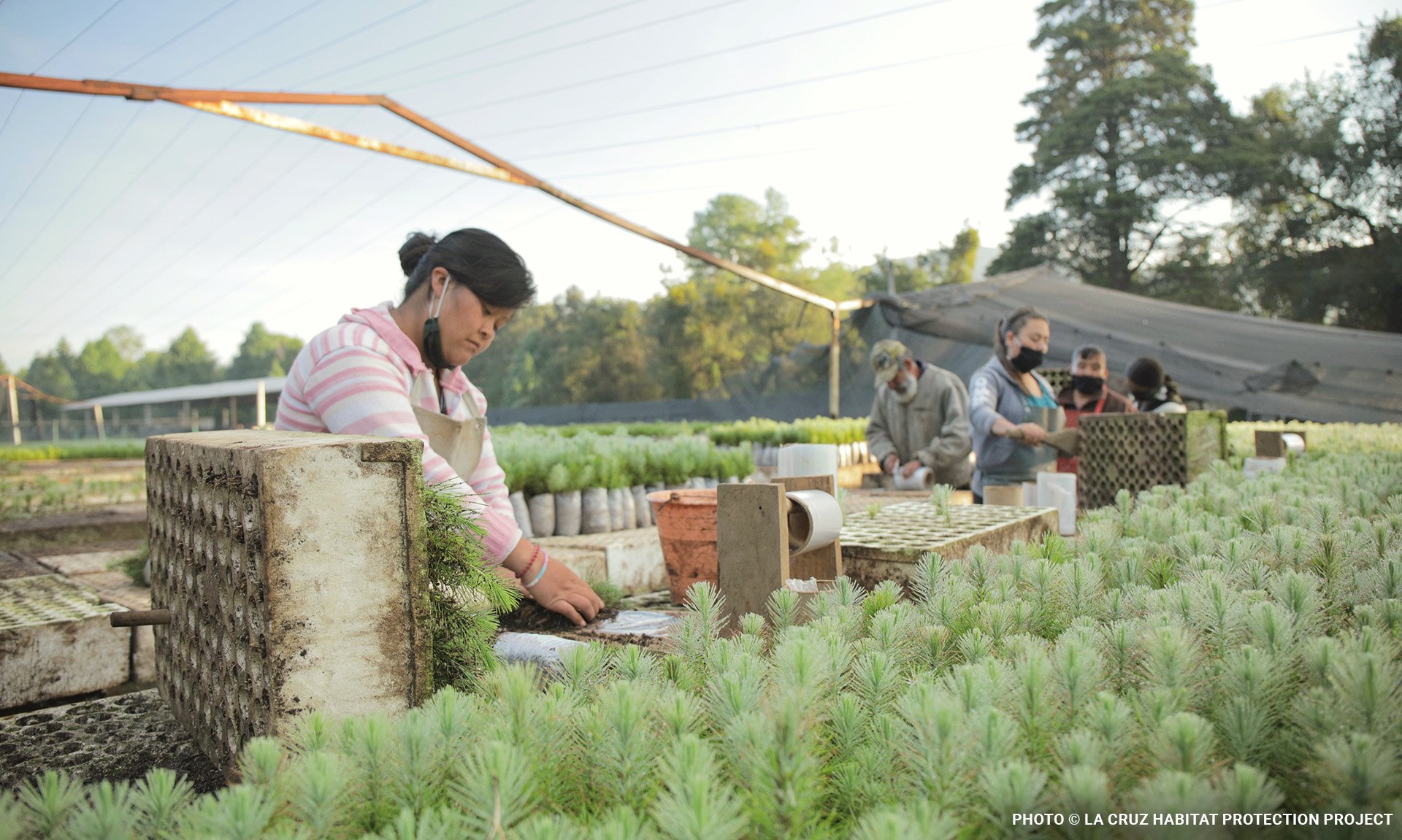
We're bringing volunteers, funding, field expertise, and a pollinator-focused conservation lens to strengthen the restoration pipeline. This is not a one-time planting event, it is a full-pipeline activation from seed propagation to ecosystem, designed to build regional conservation capacity.
Once the restoration project is complete, the Taylor’s Checkerspot butterfly could be reintroduced to the environment through a new breeding and release program.
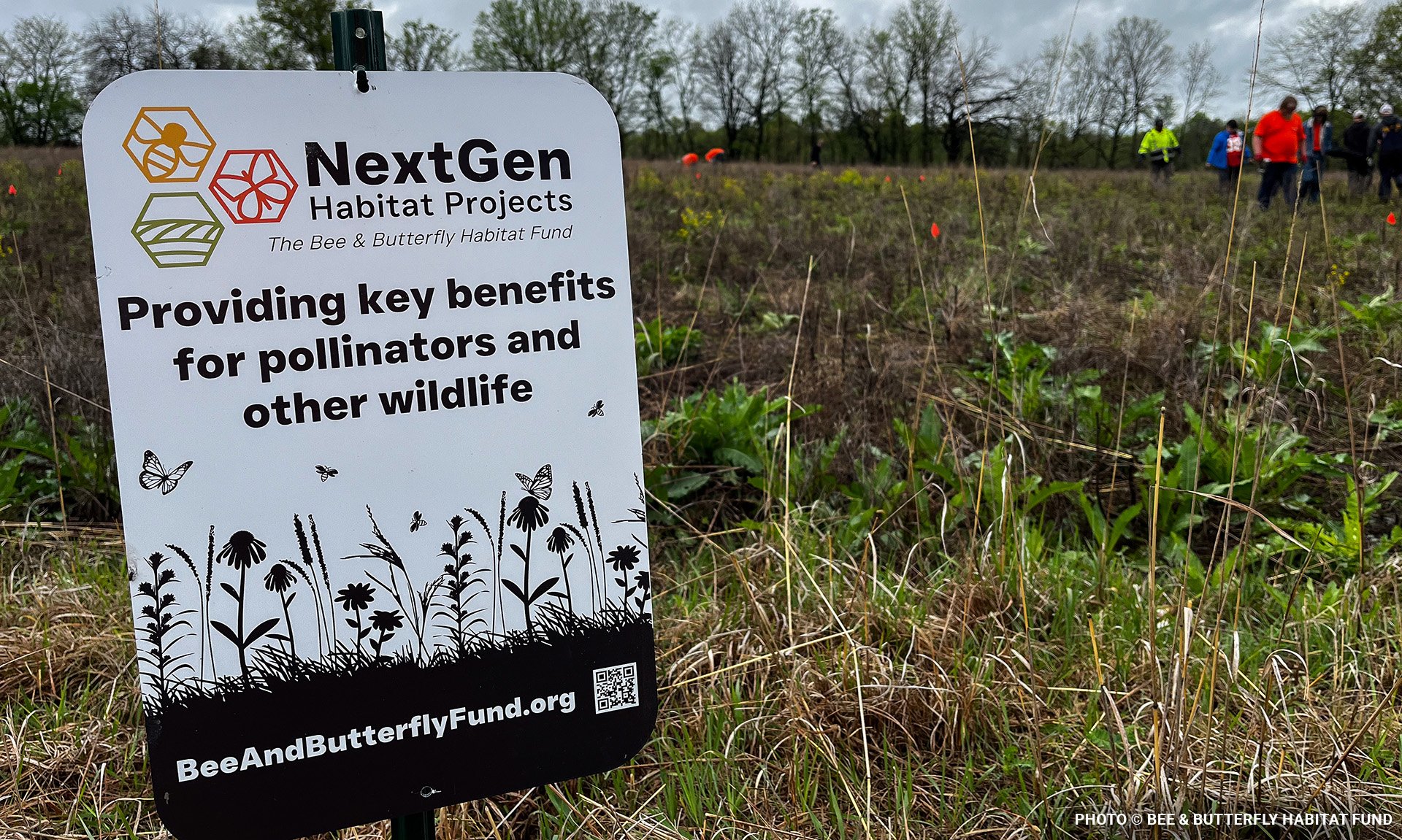
Learn more about our efforts to save the Puget Sound prairies and how you can be part of this critical project here.
| # | Наименование новости | Тональность | Информативность | Дата публикации |
|---|---|---|---|---|
| 1 | Small-scale, diverse horticultural systems and semi-natural grasslands support complementary pollinator populations | 0 | 8 | 11-07-2026 |
| 2 | Sea Turtles in Crisis: The Biggest Threats They Face and How Conservation Efforts Are Saving Them | 0 | 11.09 | 29-05-2026 |
| 3 | Addressing the Pet Care Crisis: Supporting Families & Strengthening Animal Shelters | 0 | 13.68 | 29-06-2026 |
| 4 | Kicking off Pollinator Week | 5 | 7 | 22-06-2026 |
| 5 | More trees can mean fewer birds, new study reveals | 0 | 9.57 | 22-06-2026 |
| 6 | These homes in Kennebunk are in high demand — by purple martins | 0 | 35.09 | 28-07-2026 |
| 7 | The five great forests that keep North America’s birds alive | 0 | 7.59 | 22-11-2025 |
| 8 | Identifying key demographic drivers of a protected butterfly to inform conservation in natural and anthropogenic landscapes | 0 | 7 | 29-06-2026 |
| 9 | Embrace the sounds of summer in Maine | Opinion | 0 | 22.41 | 26-07-2026 |
| 10 | ‘Threatened and rare’ Newtown meadow once slated for senior homes is now reserved for birds and bees | 0 | 6.66 | 01-01-1970 |