Просмотр новости
Найдите то, что Вас интересует
 Спутники
 РН
РН SpaceX
 Роскосмос
 NASA
NASA
СпутникиРНSpaceXРоскосмосNASABy Dr. Peter Lorange There are multiple ways to assess a new business venture – but have you ever thought of evaluating it by reference to artworks? Peter Lorange has! […]
The post How Art Can Support Effective New Business Development appeared first on The European Business Review.
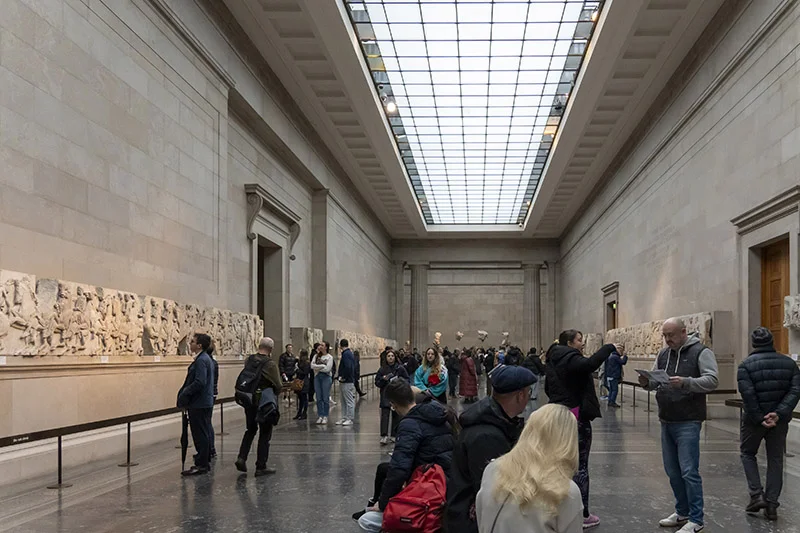
 By Dr. Peter Lorange
There are multiple ways to assess a new business venture – but have you ever thought of evaluating it by reference to artworks? Peter Lorange has!
By Dr. Peter Lorange
There are multiple ways to assess a new business venture – but have you ever thought of evaluating it by reference to artworks? Peter Lorange has!
In this novel study, Peter Lorange explores the use of art to assess the quality of new venture projects. With reference to some 80 pieces of art from his own collection, he considers the validity or otherwise of evaluating start-up proposals by drawing parallels between them and selected artworks.”
IntroductionThis article falls into three parts. First, we will discuss what seem to be five particularly critical success factors for making new ventures work. Then we’ll talk about 10 success factors from art that we suggest might be used to check the realism of various new ventures. Finally, we apply this methodology to three real-world cases.
A recent study of success factors for start-ups in the EU emphasized the importance of intangible resources, like innovation, entrepreneurship, intellectual capital, and managerial relationships
Key success factors for new business project start-ups can be many. For instance, a recent study of success factors for start-ups in the EU emphasized the importance of intangible resources, like innovation, entrepreneurship, intellectual capital, and managerial relationships (2020). Another study, a meta-analysis synthesizing findings from three empirical studies (Sony et al., 2008), identified some 24 success factors, and highlighted eight factors that consistently correlated with strong venture performance.
Let us briefly introduce five factors, consistent with the above findings, that indicate what successful new business ventures might entail.
This author suggests the following five issues:How original is the unique new business idea? Christensen’s classification of innovations (Christensen, 2022) might offer useful insights here. Christensen classifies innovations into three major groups. For new business ventures to be successful it seems important that the key business idea might be classified as truly original, i.e., based on a core idea that might be path-breaking.
We will discuss three new business ventures, all stemming from own experience. One is to introduce a new way to ship live salmon. A second is to develop a more cost-effective business school, in contrast to conventional business schools with expensive faculty and staff. A third is to develop a virtual network for learning.
Let us now discuss how testing of such ventures might be held up against art criteria.
Eighty pieces of art from the author’s collection were classified into 10 categories used to test the validity of new venture projects. It seemed that this testing process might “ensure” realism. Let us now provide brief descriptions of each of these categories.
While no definite classification scheme is presently known, several classification schemes have been developed; see Magnussen and Ross (2023) in particular. There are also additional sources that seem to lend credence to our approach that art can be classified into categories that relate to various business decision-making aspects (Hetland and Winner, 2001). Also, the author drew on his own experience, having himself pursued more than 30 new venture projects (see Lorange, 2022; 2024). Many of these ended up as part of the investment portfolio of S. Ugelstad Invest (SUI), a wholly owned investment firm that has indeed been very successful. This might provide some indication that many of these new business ventures were successful. Art thus served as an additional quality check.
Let us now briefly present each of the 10 categories. For each we will also indicate some works of art that have been assigned to a given category. Photos of the various art pieces can be found in Lorange (2024).
 Three examples
Let us now discuss three examples of new business development. All three seem to satisfy the first success criterion listed, namely, to be promoting major, original new business ideas. Beyond this, however, the projects seemed to measure up differently on the other criteria, now to be discussed.
Project One:A new type of live salmon carrier. Conventional salmon carriers, for freighting salmon from sea arms to slaughterhouses, have rectangular tanks, stretching over the length of the ships, with two to three such tanks in parallel. The salmon, being a directional fish, typically swim towards the front end of each tank, with the back part of each tank being virtually empty. The innovative new design featured three circular tanks instead, with water pressure regulation to simulate counter-streams, more or less similar to the level found in small rivers, a favorite environment for salmon. The live salmon were swimming around evenly distributed in the tanks. Salmon freighted this way seemed to be less stressed, critically important to achieve good taste when the fish were slaughtered. “Happy” fish, not stressed, was key!
The project never took off, however. Several “required” success factors seemed to be absent. First, the marketing focus seemed to be missing. Second, there seemed to be a lack of adequate technological competences for building ships of this design. Thus, control dimensions from art seemed to signal that this project would not have the right of life. Two dimensions stood out, in particular, namely risk and uncertainty, as well as networking, both indicating “problems ahead”. It was indeed acknowledged by the shipyard that was to build the ship that the risk would be high for constructing such a new prototype. Such a ship might not function as intended. The uncertainties associated with building the three circular tanks were seen as particularly difficult. Further, we were not able to find longer-term employment contracts. A particular shipowner, who happened to own a large fleet of conventional salmon carriers, was negative, probably being afraid of making his conventional fleet obsolete. We then tried to take over the majority share of this firm but were stopped. The by-laws had several clauses that supported the existing strategy. So, in the end, the project was cancelled.
Project Two:Lorange Institute: Launching a new business school turned out to be a success. The art dimensions seemed to add credence to this, particularly when it came to proactivity and speed. Conventional models for running high-quality business schools typically imply relatively high salary costs, particularly to run undergraduate or graduate teaching programs, conducted in finite-size classrooms, and with relatively short classroom sessions for entire semesters. Designated faculty, in particular, but also additional staff tend to be expensive. The Lorange Institute was started with the assumption that no permanent faculty might be required, and also that only a smaller fixed staff might be needed. The new school’s emphasis shifted towards running longer modules on weekends.
This new venture was successful. There were particularly two test factors that pointed towards success. Proactivity. This new approach seemed to involve lower costs than would typically be the case in conventional business schools. Thus, tuition levels might be held at a more reasonable rate. The focus on weekend class deliveries also made it more feasible for students to combine their studies with paying jobs. While research was not carried out at the Lorange Institute per se, participating faculty members did research as part of their assignments “back home”. Thus, they were of high “quality”. Speed was also a key factor to indicate success, the facilities where Lorange Institute was located on Lake Zurich, formerly the Zurich Graduate School of Business, ensuring a “flying start”. And there were no institutional committee structures, no faculty committees!
After about five years of operation the successful Lorange Institute was sold to CEIBS, a leading Shanghai-based business school, which was looking for a European base for training its students in European business issues. The price they offered made it attractive for the author to sell!
Project Three:Lorange Network. This project tried to develop a virtual network to exchange more effective business practices and learning, as we also saw in Project Two, but, this time it did not work out as intended. Two factors seemed to be lacking. There were not enough customers who would be ready for this approach. And the author, who provided the sole source for financing the project, had decided to set relatively tight limits regarding how much funds to allocate.
When the 10 test categories from art were applied to the project, there were two “red flags” that emerged: lack of quality and lack of discipline. Conventional business schools typically involve relatively finite groups of students positioned to learn together (a maximum classroom size of around 100 students places natural limits on the richness of such interaction). Also, students would typically have to relocate to a school’s campus – further adding restrictions on the network for the learners. The Lorange Network, on the other hand, would create entirely virtual learning experiences, also featuring interviews with leading practitioners, book reviews, lectures, technical notes, and so on. There were reasonable fees to be paid by the participants.
This new venture did not work, perhaps primarily corroborated by negative readings of the following two critical success factors: Quality. There were no prerequisites regarding enrolling participants. Some of these were highly educated, while others had little to no previous schooling! Some were very senior, with a lot of experience, while others were inexperienced juniors! This led to a lack of realistic cross-personal learning, so critical for building new non-linear knowledge (Aaker, 2008; Tett, 2022). There was simply too little quality in the network! Discipline was another key indicator tested for. Gradually it became clear to the author that an excessive amount of own energy would have to be spent on the delivery, cum the author’s capacity as Chairman of Lorange Network. In the end, the author simply did not have sufficient energy or discipline to fully deliver. After three years, the Network was sold to IMD.
ConclusionsTo successfully develop new business ventures is critical for economies to grow, for new business to be built. But, to actually come up with realistic new ventures is not easy. Each of the factors that need to be in place for a venture to be successful can often represent formidable challenges, hence also the need for post-factum testing, where the arts come in.
To successfully develop new business ventures is critical for economies to grow, for new business to be built. But, to actually come up with realistic new ventures is not easy.
This author has come up with a way to draw on art to get better indications regarding whether given ventures might be likely to succeed. By testing, after a project’s initial completion, how a project might stack up when it comes to various aspects of art, a way to “control” a project’s realism ex post facto might be achieved. For testing purposes, the author’s art collection of some 80 works was classified into some 10 groups, each one with its particular label to provide additional control through testing regarding a particular project’s success. Thus, art was explicitly drawn into key business considerations, i.e., a much more active dimension than, for instance, merely seeing art as an investment (Lorange, 2023).
Three business development projects were briefly analyzed, applying the 10 quality control tests from the author’s art collection. One was clearly unrealistic, with two art-based quality control factors seeming to signal why, in particular. However, another project seemed to have been successful, also verified by two of the art-based test criteria. Finally, one was clearly a failure, “signaled” by two other art-derived test criteria. It can be concluded that art can indeed play a much more central role in managerial business activities than has been generally assumed until now. See also UBS (2023), which indicates that the bulk of art collecting is primarily carried out for investment purposes, a more passive approach than the author’s.
About the Author Dr. Peter Lorange, Honorary President, IMD, is a successful entrepreneur and the Chairman of a diversified family investment firm. He is regarded as one of the world’s foremost business school academics, having held the position of President at IMD, Lausanne (Switzerland) for 15 years, having also been President of the Norwegian School of Business, as well as a professor at Wharton and Sloan School (MIT). He has had several positions on various boards. His entrepreneurial journey spans key areas such as education, shipping, investments, and real estate businesses.
References:
1. Aaker, D.A., (2008), Spanning Silos, Harvard Business School Press.
2. Atkinson, T., and Barry, S., (2010), Strategic Speed, Emerald (online), https://emeraldgrouppublishing.com/archived/learning/management_thinking/articles/speed.htm Accessed 5th June 2025.
3. Bilanz, (2025), Die Neuen Autos aus China
4. Bhide, A., (2025), Uncertainty and Enterprise: Venturing Beyond the Known, Oxford University Press.
5. Cahyati, P., Husainah, N., Sibarani, M., Malau, A. G. and Limakrisna, N., (2024), “The Model of Performance: Building Work Discipline and Organizational Culture”, Dinasti International Journal of Education Management and Social Science, Vol. 5, No. 3, pp 210-21.
6. Cameron, K., Mora, C., Leutscher, T., and Calarco, M., (2011), “Effects of Positive Practices on Organizational Effectiveness”, The Journal of Applied Behavioral Science, Vol, 47, No. 3, pp 266-308.
7. Chang, P.-C., Ma, G. and Lin, Y.-Y., (2022), “Inclusive Leadership and Employee Proactive Behavior: A Cross-Level Moderated Mediation Model”, Psychology Research and Behavior Management, Vol. 15, pp 1797-808.
8. Christensen, C.M., (2013), The Innovator’s Dilemma, Harvard Business School Press.
9. Forker, L. B., Vickery, S. K., and Droge C. L. M., (1996), “The Contribution of Quality to Business Performance”, International Journal of Operations Management, Vol. 16, No. 8, pp. 44-62.
10. Harper, P., Lu, K., and Tembhurne, P., (2025), “Firm Policies and Uncertainties about Risk”, Journal of Risk Management, Vol. 18, No. 2.
11. Hetland, L., and Winner, E., (2001), “The Arts and Academic Achievement: What the Evidence Shows”, Arts Education Policy Review, Vol. 102, No. 5, pp. 5-6.
12. Kownatzki, M., Walter, J., Floyd, S. W., and Lechner, C., (2013), “Corporate Control and Speed of Strategic Business Unit Decision Making”, Academy of Management Journal, Vol. 56, No. 5, pp 1295-324.
13. Lorange, P., (2020), Innovations in Shipping, Cambridge University Press.
14. Lorange, P., (2022), Learning and Teaching Business, Springer Nature.
15. Lorange, P., (2024), Art and Business, Museumsforlaget.
16. Magnussen, S., and Ross, I., (2023), Your Brain on Art, Canongate Books.
17. Navarro, P., Bromiley, P., and Sottile, P., (2008), “Business Cycle Management and Firm Performance: Tying the Empirical Knot”, Journal of Business Research, Vol. 3, No. 1, pp 50-71.
18. Novelli, G., and Spina, C., (2024), “Making Business Model Decisions Like Scientists: Strategic Commitment Uncertainty and Economic Performance”, Strategic Management Journal, Vol. 45, No. 13, pp. 2642-95.
19. Rellie, D.-R. and Park, H., (2022), “Ethics and Honesty in Organizations: Unique Organizational Challenges”, Current Opinion in Psychology, Vol. 47.
20. Riegel, D. G., (2022), “Are You Taking Full Advantage of Your Network?”, Harvard Business Review (online), https://hbr.org/2022/11/are-you-taking-full-advantage-of-your-network. Accessed 5th June 2025.
21. Song, M., Podoynitsyna, K., van der Bij, H.M., and Halman, J.I.M., (2008), “Success Factors in New Ventures: A Meta-Analysis”, Journal of Product Innovation Management, Vol. 25, No. 1, pp. 7-27.
22. Sustainability (2020), “Success Factors of Startups in the EU – A Comparative Study”, Vol. 12, No. 19.
23. Tett, G., (2022), Anthro-Vision, Simon & Schuster.
24. Union Bank of Switzerland (UBS), (2023), New Realities: Collecting for Inspiration, Zurich.
25. Zantos, Z., (1970), Tank Freight Rates, MIT Press.
Dr. Peter Lorange, Honorary President, IMD, is a successful entrepreneur and the Chairman of a diversified family investment firm. He is regarded as one of the world’s foremost business school academics, having held the position of President at IMD, Lausanne (Switzerland) for 15 years, having also been President of the Norwegian School of Business, as well as a professor at Wharton and Sloan School (MIT). He has had several positions on various boards. His entrepreneurial journey spans key areas such as education, shipping, investments, and real estate businesses.
References:
1. Aaker, D.A., (2008), Spanning Silos, Harvard Business School Press.
2. Atkinson, T., and Barry, S., (2010), Strategic Speed, Emerald (online), https://emeraldgrouppublishing.com/archived/learning/management_thinking/articles/speed.htm Accessed 5th June 2025.
3. Bilanz, (2025), Die Neuen Autos aus China
4. Bhide, A., (2025), Uncertainty and Enterprise: Venturing Beyond the Known, Oxford University Press.
5. Cahyati, P., Husainah, N., Sibarani, M., Malau, A. G. and Limakrisna, N., (2024), “The Model of Performance: Building Work Discipline and Organizational Culture”, Dinasti International Journal of Education Management and Social Science, Vol. 5, No. 3, pp 210-21.
6. Cameron, K., Mora, C., Leutscher, T., and Calarco, M., (2011), “Effects of Positive Practices on Organizational Effectiveness”, The Journal of Applied Behavioral Science, Vol, 47, No. 3, pp 266-308.
7. Chang, P.-C., Ma, G. and Lin, Y.-Y., (2022), “Inclusive Leadership and Employee Proactive Behavior: A Cross-Level Moderated Mediation Model”, Psychology Research and Behavior Management, Vol. 15, pp 1797-808.
8. Christensen, C.M., (2013), The Innovator’s Dilemma, Harvard Business School Press.
9. Forker, L. B., Vickery, S. K., and Droge C. L. M., (1996), “The Contribution of Quality to Business Performance”, International Journal of Operations Management, Vol. 16, No. 8, pp. 44-62.
10. Harper, P., Lu, K., and Tembhurne, P., (2025), “Firm Policies and Uncertainties about Risk”, Journal of Risk Management, Vol. 18, No. 2.
11. Hetland, L., and Winner, E., (2001), “The Arts and Academic Achievement: What the Evidence Shows”, Arts Education Policy Review, Vol. 102, No. 5, pp. 5-6.
12. Kownatzki, M., Walter, J., Floyd, S. W., and Lechner, C., (2013), “Corporate Control and Speed of Strategic Business Unit Decision Making”, Academy of Management Journal, Vol. 56, No. 5, pp 1295-324.
13. Lorange, P., (2020), Innovations in Shipping, Cambridge University Press.
14. Lorange, P., (2022), Learning and Teaching Business, Springer Nature.
15. Lorange, P., (2024), Art and Business, Museumsforlaget.
16. Magnussen, S., and Ross, I., (2023), Your Brain on Art, Canongate Books.
17. Navarro, P., Bromiley, P., and Sottile, P., (2008), “Business Cycle Management and Firm Performance: Tying the Empirical Knot”, Journal of Business Research, Vol. 3, No. 1, pp 50-71.
18. Novelli, G., and Spina, C., (2024), “Making Business Model Decisions Like Scientists: Strategic Commitment Uncertainty and Economic Performance”, Strategic Management Journal, Vol. 45, No. 13, pp. 2642-95.
19. Rellie, D.-R. and Park, H., (2022), “Ethics and Honesty in Organizations: Unique Organizational Challenges”, Current Opinion in Psychology, Vol. 47.
20. Riegel, D. G., (2022), “Are You Taking Full Advantage of Your Network?”, Harvard Business Review (online), https://hbr.org/2022/11/are-you-taking-full-advantage-of-your-network. Accessed 5th June 2025.
21. Song, M., Podoynitsyna, K., van der Bij, H.M., and Halman, J.I.M., (2008), “Success Factors in New Ventures: A Meta-Analysis”, Journal of Product Innovation Management, Vol. 25, No. 1, pp. 7-27.
22. Sustainability (2020), “Success Factors of Startups in the EU – A Comparative Study”, Vol. 12, No. 19.
23. Tett, G., (2022), Anthro-Vision, Simon & Schuster.
24. Union Bank of Switzerland (UBS), (2023), New Realities: Collecting for Inspiration, Zurich.
25. Zantos, Z., (1970), Tank Freight Rates, MIT Press.
| # | Наименование новости | Тональность | Информативность | Дата публикации |
|---|---|---|---|---|
| 1 | Europe’s Reinvention Challenge: Turning Heritage into a Competitive Edge | 0 | 0 | 22-01-2026 |
| 2 | The Threat of Europe’s Entrepreneurial Winter | 0 | 6.86 | 30-07-2026 |
| 3 | What Can Businesses Learn from the Winter Olympics 2026? | 0 | 2 | 22-03-2026 |
| 4 | Why a Successful Leader is an Engaging Storyteller | 5 | 6 | 24-05-2026 |
| 5 | Listening Well, Leading Better: TEN Techniques That Transform How You Lead | 0 | 6.54 | 10-08-2026 |
| 6 | Creating an Innovation Mindsense: Changing the Mind of the Corporation | 0 | 2 | 24-06-2026 |
| 7 | Pricing is Strategy: How Commercial Leaders Steer Growth, Sales, and Profit | 0 | 7.95 | 09-08-2026 |
| 8 | Germany as The Powertrain of European Resilience | 5 | 6 | 07-04-2026 |
| 9 | B2B Customer Segmentation vs Ideal Customer Profile: Which Approach Maximizes ROI? | 0 | 5.17 | 12-08-2026 |
| 10 | Why Localization Has Become Critical to Growth, Not a Last-Minute Marketing Task | 0 | 5 | 21-06-2026 |