Просмотр новости
Найдите то, что Вас интересует
 Спутники
 РН
РН SpaceX
 Роскосмос
 NASA
NASA
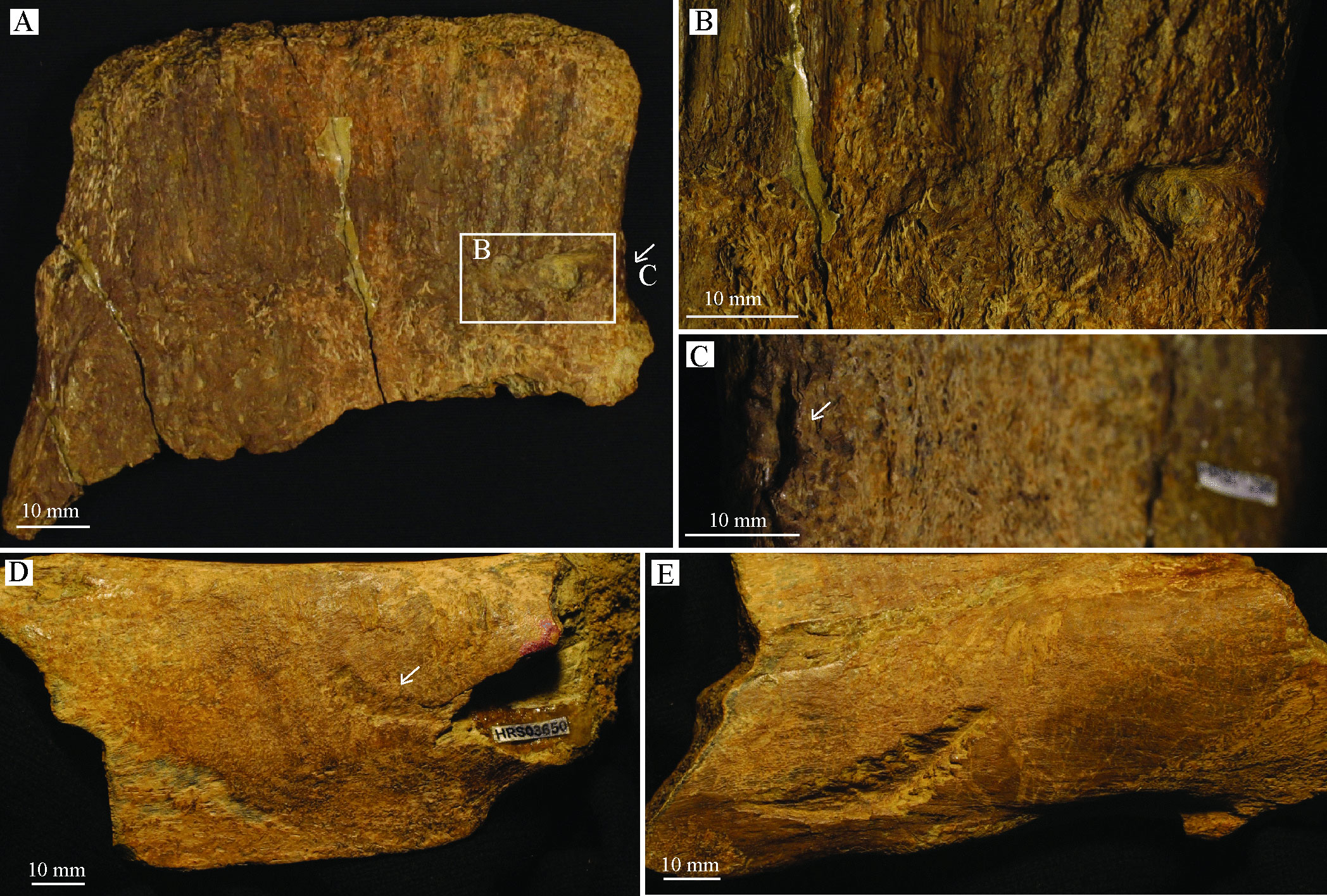
СпутникиРНSpaceXРоскосмосNASAFossilized dinosaur bones from Wyoming are offering a rare glimpse into the feeding behavior of Tyrannosaurus rex. Researchers examined more than 3,000 bones dating back 72 to 66 million years and found just 12 with possible tooth traces, including four with patterns that closely matched the shape and spacing of T. rex teeth.
Fossilized dinosaur bones uncovered in Wyoming contain tooth marks that were likely made by Tyrannosaurus rex, according to research published July 15, 2026, in the open-access journal PLOS One. The study was led by Bethania C. T. Siviero of Loma Linda University and her colleagues.
Bite marks preserved in fossil bones can provide rare evidence of how prehistoric animals behaved and interacted within ancient ecosystems. In the new study, researchers examined several kinds of depressions, punctures, holes, and grooves that appeared to have been left by teeth. Using both earlier research and their own findings, the team also created a guide for interpreting possible tooth marks on fossils.
More Than 3,000 Cretaceous Bones Examined
The scientists analyzed more than 3,000 bones collected in northeastern Wyoming. The fossils date to the late Cretaceous period, roughly 72 to 66 million years ago.
Most belonged to Edmontosaurus annectens, a large plant-eating dinosaur known for its broad, duck-shaped bill.
Only 12 bones showed possible tooth traces. Four had especially distinctive patterns that matched the expected shape and spacing of T. rex teeth. The researchers therefore concluded that T. rex was the most likely source of those marks.
Other damaged bones may have been bitten by different predators or scavengers living in the region at the time, including other carnivorous dinosaurs and crocodilians.
Evidence of Feeding and Scavenging
Most of the marked bones showed no signs that the surrounding tissue had healed. This suggests that the bites occurred close to the time of death or after the animals had already died.
Combined with previous research from the same fossil site, the evidence indicates that some animals may have been killed by predators. Their remains may then have remained exposed, allowing scavengers to feed on the carcasses before the bones were eventually buried and fossilized.
Separating True Bites From Other Damage
Identifying genuine tooth marks is not always straightforward. Bites often leave punctures or furrows in bone, but disease, insects, weathering, and erosion can create similar features.
Researchers must distinguish between these possibilities before using fossil marks to reconstruct prehistoric behavior or ecological relationships. By establishing clearer criteria for recognizing tooth damage, the study strengthens an important tool used in paleontology.
The authors add: "Correctly identifying bone depressions and perforations is important because not all of these features are tooth marks. Some are caused by diseases, while others result from post-mortem processes such as insect activity or other processes due to bone exposure. Distinguishing between these different types of bone modifications is essential, as they can provide valuable information about an animal's condition before death as well as the processes that affected its remains after death."
"The study of tooth marks on fossil bones is important because it provides valuable insights into animal behavior and interactions between species."
Funding was provided through internal sources at Loma Linda University.
| # | Наименование новости | Тональность | Информативность | Дата публикации |
|---|---|---|---|---|
| 1 | A 75-million-year-old fossil reveals a shocking tyrannosaur secret | 0 | 9.76 | 05-05-2026 |
| 2 | This dinosaur fossil captures the final moments of a T. rex attack | 0 | 10.8 | 14-07-2026 |
| 3 | Blood vessels found in T. rex bones are rewriting dinosaur science | 0 | 9.94 | 26-04-2026 |
| 4 | A broken rib from the world’s largest T. rex hid a 66-million-year-old secret | 0 | 7.7 | 24-09-2026 |
| 5 | Scientists uncover first known adult T. rex trackway dating back 66.5 million years | 0 | 7.77 | 11-09-2026 |
| 6 | USA: T-Rex-Fußspuren entdeckt | 0 | 15.88 | 12-09-2026 |
| 7 | The T. rex had a body temperature similar to our own, study finds | 0 | 8.31 | 17-09-2026 |
| 8 | Paleontology rocked by organic molecules found in 66-million-year-old dinosaur bones | 0 | 9.22 | 14-08-2026 |
| 9 | T. rex’s tiny arms may have evolved for a surprisingly brutal reason | 0 | 6.26 | 20-05-2026 |
| 10 | T. rex took 40 years to reach full size, scientists find | 0 | 11.8 | 22-06-2026 |