Просмотр новости
Найдите то, что Вас интересует
 Спутники
 РН
РН SpaceX
 Роскосмос
 NASA
NASA
СпутникиРНSpaceXРоскосмосNASAExperts say most pregnancy-related deaths are preventable, but gaps in care and communication continue to put Black women at higher risk.
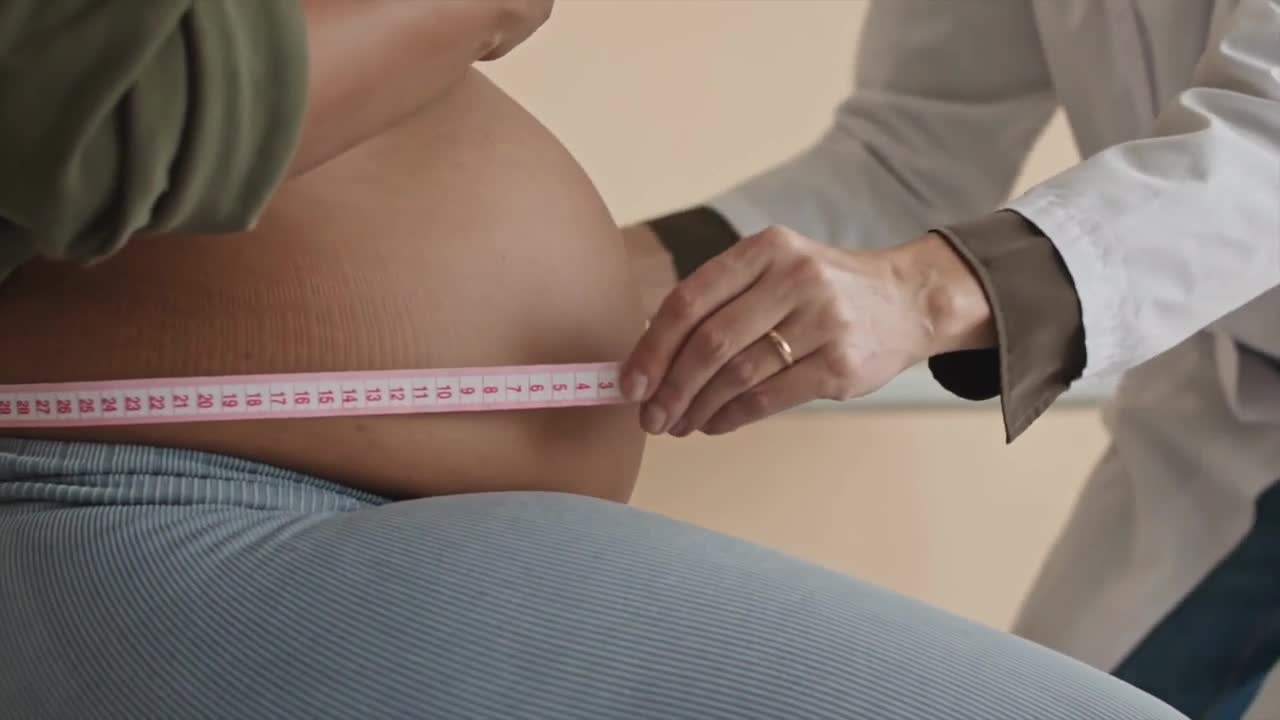
State data shows nearly 90% of pregnancy-related deaths are considered preventable, yet Black women remain far more likely to die from complications compared to white women.

PHOENIX — During Black Maternal Health Week, new attention is being placed on persistent disparities in care, both nationwide and here in Arizona.
State data shows nearly 90% of pregnancy-related deaths are considered preventable, yet Black women remain far more likely to die from complications compared to white women.
For Tucson nurse Irine Lagat-Fischer, the issue is deeply personal. She spent years trying to start a family, navigating misdiagnoses and a lack of clear answers from multiple providers.
"I felt like I had been met with only excuses and no answers. I felt like I had been treated just as a number,” Lagat-Fischer said.
It wasn’t until she found a doctor who took a more individualized, less invasive approach that she was able to conceive. Today, she is the mother of twins.
Experts say her experience reflects a broader issue.
Corrie Whisner with Arizona State University’s College of Health Solutions says disparities in maternal health outcomes often go beyond income or access alone.
“These disparities are driven by a combination of structural inequities such as access to care,” Whisner said, adding that proven solutions exist but are not yet widely implemented.
Advocates, including the National Black Doulas Association, say better communication and support systems can help close those gaps. Doulas work alongside medical teams to support mothers and help them advocate for their needs.
For Lagat-Fischer, that message is simple: speak up. She now encourages other women to push for answers and seek care where they feel heard.
This story was reported on-air by a journalist and has been converted to this platform with the assistance of AI. Our editorial team verifies all reporting on all platforms for fairness and accuracy.