Просмотр новости
Найдите то, что Вас интересует
 Спутники
 РН
РН SpaceX
 Роскосмос
 NASA
NASA
СпутникиРНSpaceXРоскосмосNASAA new study provides the first direct biological evidence explaining why some people continue to experience taste loss long after recovering from COVID-19. Researchers have uncovered specific biological changes in taste buds that could help explain why a small number of people continue to struggle with taste loss long after a COVID-19 infection. The study, [...]
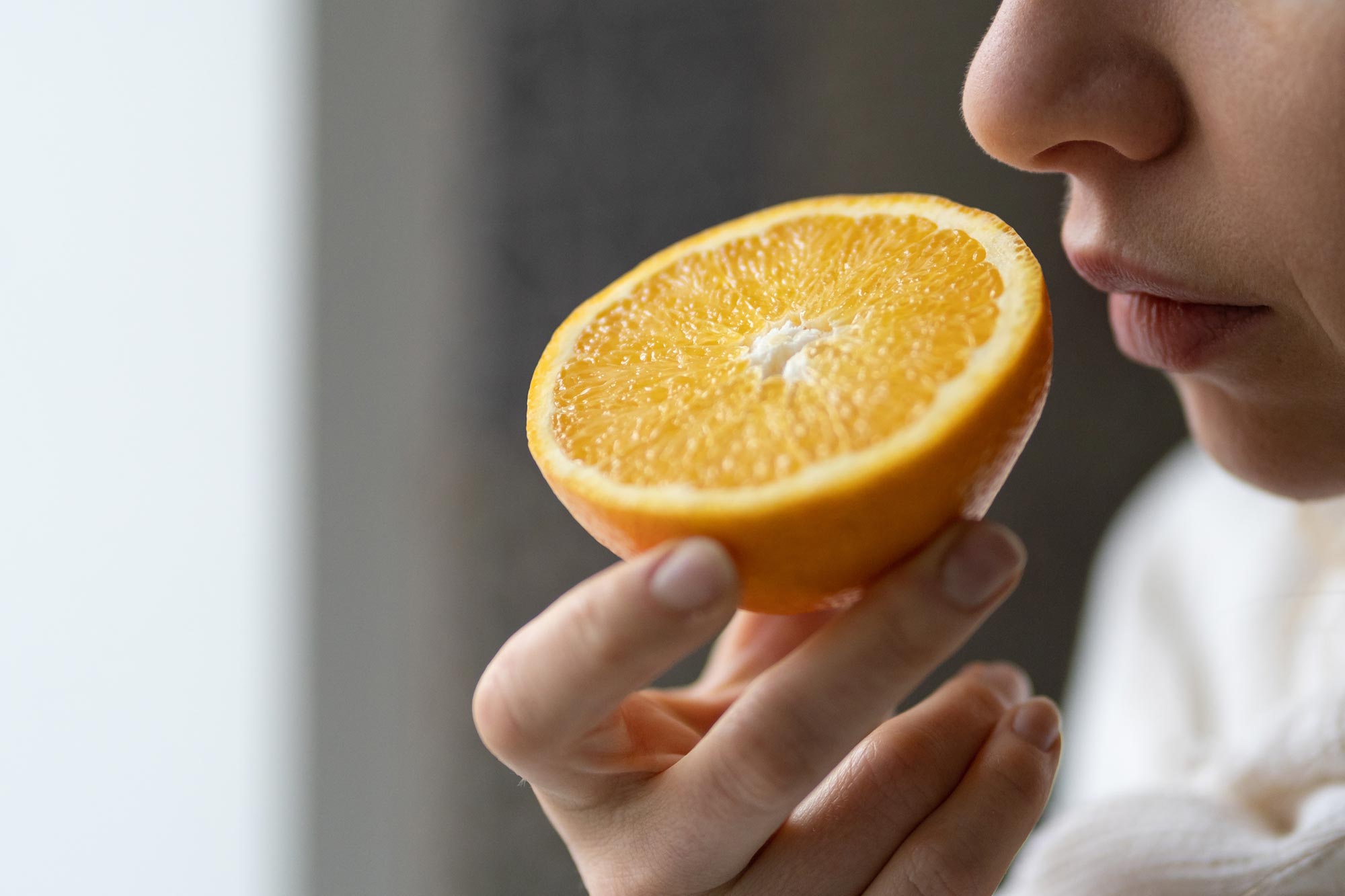 Scientists have uncovered measurable molecular and structural abnormalities in the taste buds of people with long-term post-COVID taste loss. Credit: Shutterstock
A new study provides the first direct biological evidence explaining why some people continue to experience taste loss long after recovering from COVID-19.
Researchers have uncovered specific biological changes in taste buds that could help explain why a small number of people continue to struggle with taste loss long after a COVID-19 infection.
The study, published in Chemical Senses, is the first to directly connect patients’ lingering taste complaints with measurable abnormalities inside the cells responsible for detecting flavor.
What causes long-term taste loss after COVID-19?To explore the cause of long-term taste disturbances, scientists from the University of Colorado Anschutz and two universities in Sweden examined 28 non-hospitalized individuals who reported altered taste more than one year after having COVID-19.
Key findings:
To better understand the biological basis of these symptoms, the researchers collected taste bud biopsies from 20 of the participants.
Molecular defect identified in taste receptor cellsThe research team, organized by Göran Hellekant, PhD, of the University of Wisconsin and the Swedish University of Agricultural Sciences, found that certain taste receptor cells contained lower levels of messenger RNA (mRNA). This mRNA is needed to produce a protein known as PLCβ2, which plays a central role in transmitting taste signals for sweet, bitter, and umami flavors.
“PLCβ2 acts like a molecular amplifier inside taste cells,” said Thomas Finger, PhD, professor of cell and developmental biology at the University of Colorado Anschutz and corresponding author of the study. “It strengthens the signal before it’s transmitted to the brain. When levels are reduced, the taste signal weakens.”
Cells that detect salty and sour tastes rely on different signaling mechanisms and do not depend on PLCβ2. This difference may help explain why those particular tastes were largely unaffected in the participants.
Structural changes also observedBeyond the molecular findings, microscopic analysis revealed physical differences in some patients’ taste buds. While several participants had tissue that appeared typical under the microscope, others showed noticeable disorganization in the structure of their taste buds.
“Some subjects had normal-looking taste buds, while others showed structural disorganization,” Finger said. “This suggests that both molecular and architectural changes may contribute to persistent taste dysfunction.”
These results suggest that prolonged taste impairment may stem from a combination of disrupted cellular signaling and altered tissue structure.
Why does taste loss persist?Under normal conditions, taste bud cells regenerate every two to four weeks. However, the study found evidence that disruptions in the underlying signaling pathways can last much longer in certain individuals.
Most people who lose their sense of taste during COVID-19 regain it within weeks or months. This research provides measurable biological evidence that helps explain why recovery may be delayed in a smaller group of patients.
“Our findings offer measurable evidence of long-term taste disruption in some post-COVID patients long after the virus has been cleared,” the authors write.
The researchers emphasize that more work is needed to determine whether these molecular changes can fully reverse and whether future treatments could help restore normal taste signaling.
Reference: “Taste dysfunction in long COVID” by Hanna Morad, Tytti Vanhala, Marta A Kisiel, Agnes Andreason, Mei Li, Göran Andersson, Göran Laurell, Thomas E Finger and Göran Hellekant, 29 January 2026, Chemical Senses.
DOI: 10.1093/chemse/bjaf068
Never miss a breakthrough: Join the SciTechDaily newsletter.
Follow us on Google and Google News.
| # | Наименование новости | Тональность | Информативность | Дата публикации |
|---|---|---|---|---|
| 1 | Even Mild COVID-19 Can Leave Lasting Brain Damage, Study Finds | 0 | 19.02 | 03-03-2026 |
| 2 | Scientists Identify “Good” Bacteria That May Prevent Long COVID | 0 | 21.14 | 22-03-2026 |
| 3 | Long COVID Brain Scans Reveal Damage to Dopamine Neurons | 0 | 18.71 | 24-07-2026 |
| 4 | This Is Why the Same Virus Hits People So Differently | 0 | 17.48 | 12-02-2026 |
| 5 | Researchers Find a Surprising Long COVID Clue in Major Vitamin D Trial | 0 | 14.63 | 12-03-2026 |
| 6 | Widely Available Drug Found To Ease One of Long COVID’s Most Stubborn Symptoms | 0 | 16.58 | 01-04-2026 |
| 7 | Эксперт: потеря вкуса у пациентов с коронавирусом продолжается от трех до 10 дней | 0 | 0 | 15-12-2020 |
| 8 | Эксперты: потеря обоняния и вкуса наблюдается у 75-80% людей при коронавирусе | 0 | 0 | 03-11-2020 |
| 9 | Americans Report Far More Long COVID Brain Fog Than the Rest of the World | 0 | 18.06 | 19-02-2026 |
| 10 | A Bad Case of COVID or Flu May Raise Lung Cancer Risk Years Later | 0 | 17.18 | 11-03-2026 |