Просмотр новости
Найдите то, что Вас интересует
 Спутники
 РН
РН SpaceX
 Роскосмос
 NASA
NASA
СпутникиРНSpaceXРоскосмосNASAExplore how the Draper Natural History Museum is building its scientific collections through the specialized skill of preparing roundskins....
Read More...
The post The Art—and Science—of the Roundskin appeared first on Buffalo Bill Center of the West.

By Amy Phillips
July 24, 2026
In late May 2026, the Draper Lab was busy as staff and volunteers learned an important preparation skill. Under the watchful eyes of Drs. Andrew Engilis Jr. and Irene Engilis with the University of California, Davis, Museum of Wildlife and Fish Biology, Draper staff and volunteers learned how to prepare roundskins correctly.
Learning a Centuries-Old Museum SkillRoundskins, also known as study skins, are a rudimentary form of taxidermy. Preparators quickly remove the body to prevent spoilage. Cotton, or in the case of larger animals, excelsior (think A Christmas Story and the packing material for the infamous lamp), then fills that cavity. The resulting specimen should be true to form, meaning its total length should be roughly the same at the end as when the animal was first measured. Museums have been turning specimens into roundskins for hundreds of years. The technique preserves specimens without refrigeration, something that was important during the 19th century’s large museum-building expeditions.
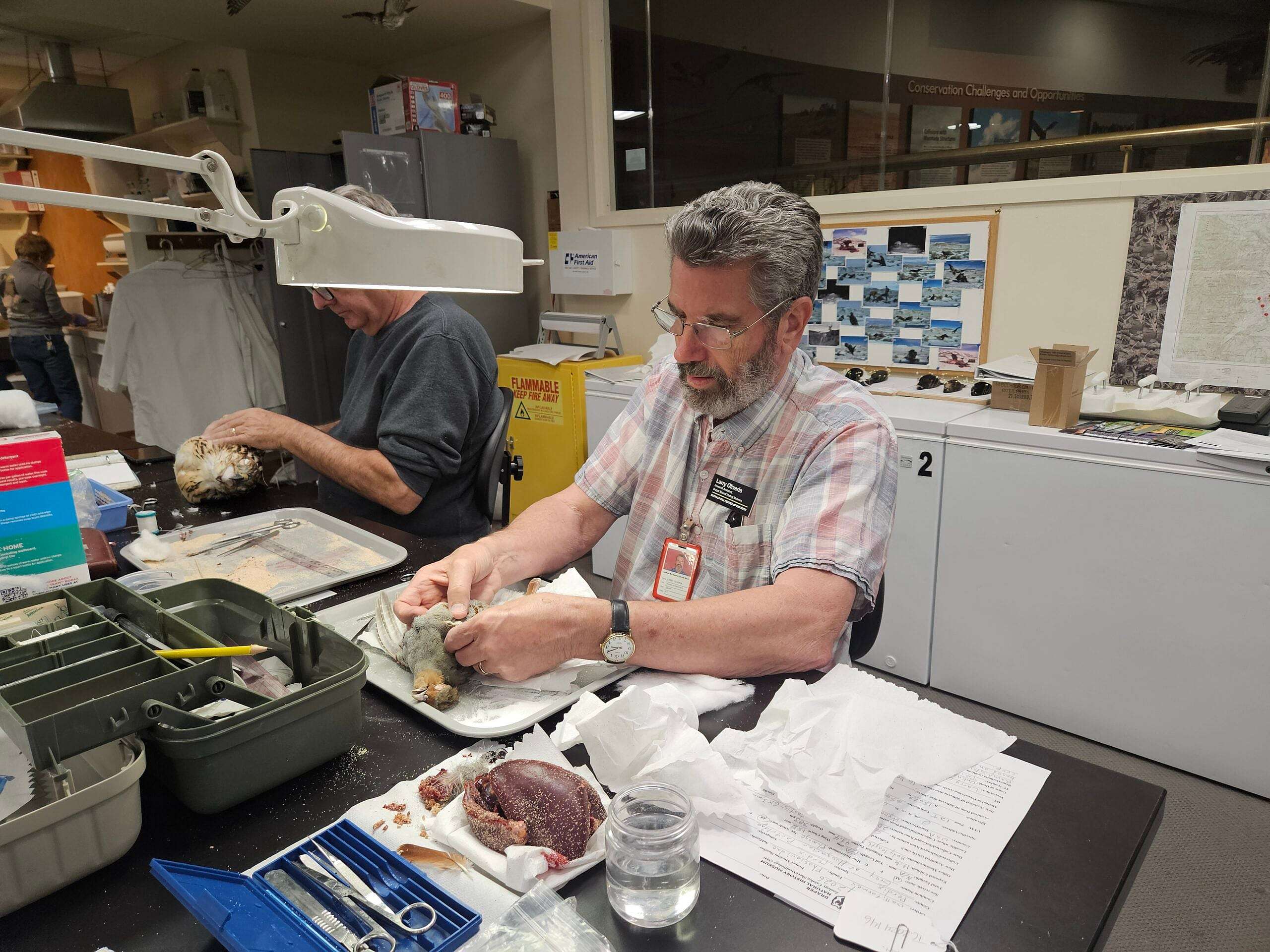
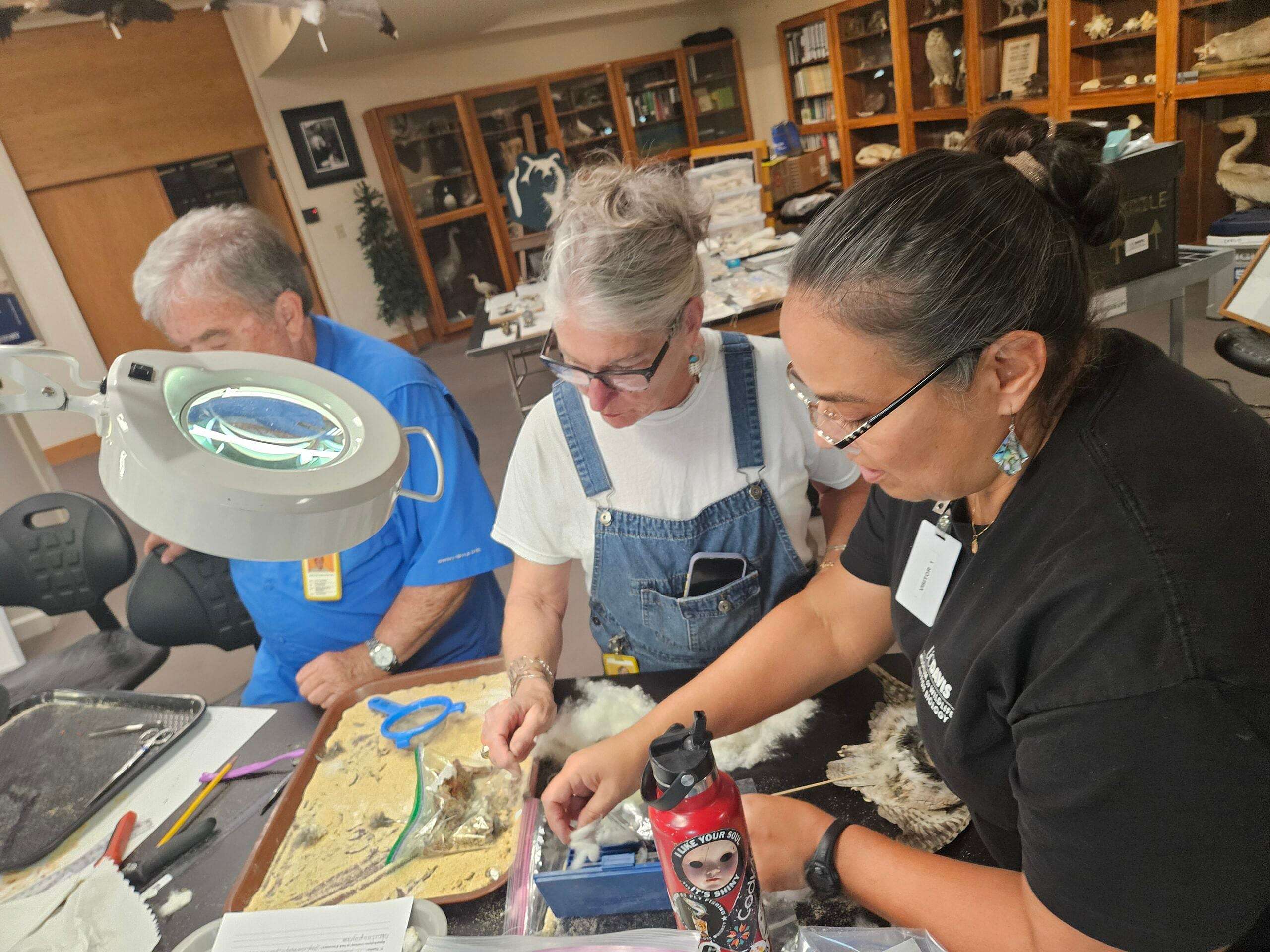
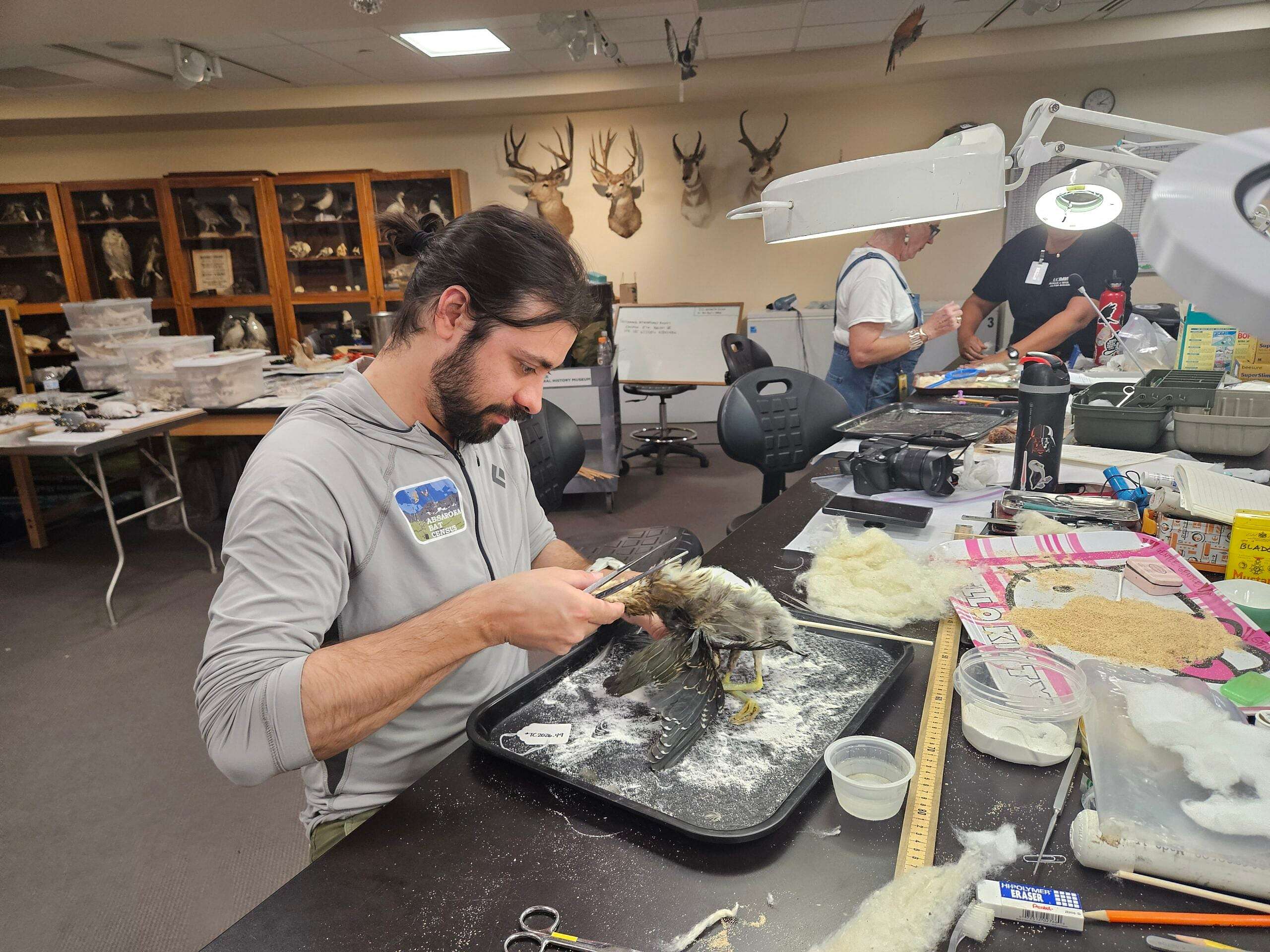
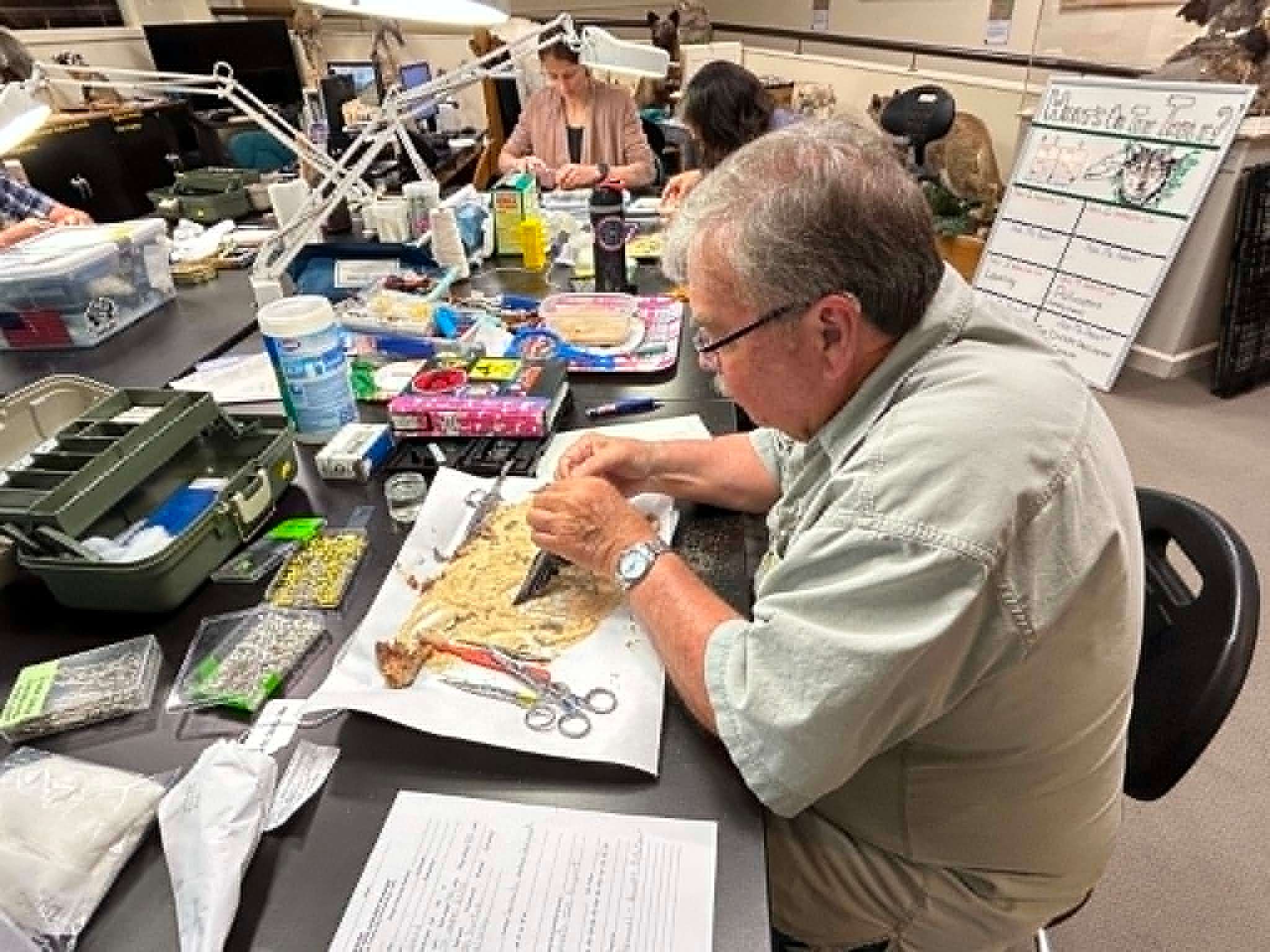
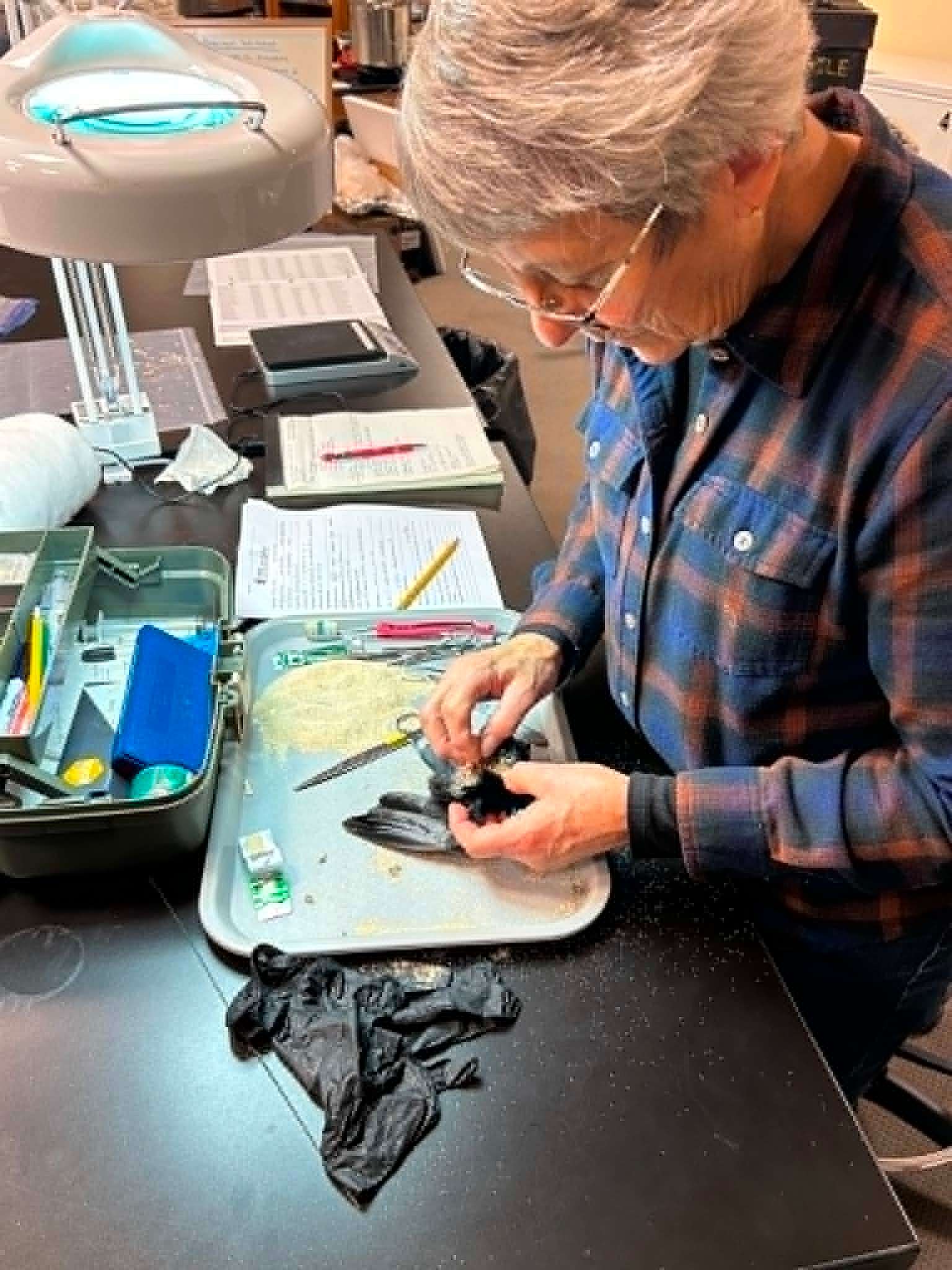
All easier said than done.
As with many things, practice makes perfect when it comes to roundskin preparation. Dr. Andrew Engilis, Jr. has prepared almost 8,000 roundskins during his career, and Dr. Irene Engilis roughly 3,000. They can prepare a mouse in 15 minutes and a bird in about 30 minutes. The Draper staff and volunteers’ times? Closer to the 8-hour mark. Students at the Museum of Wildlife and Fish Biology prepare more than 150 roundskins before working independently. For comparison, our staff and volunteers prepared approximately 3 – 6 roundskins over the course of the workshop. Why all the practice? It stems from the importance of roundskins to museum collections.
Preparing Specimens for the Next 100 YearsRoundskins are a quick, efficient way to preserve specimens that researchers can use today and 100 years into the future. Genetic research, isotope analyses, disease studies, and more all rely on roundskins for historic data! With each passing year, natural history museums gain value, and as new technologies develop, roundskins help answer more questions. For example, museums prepared roundskins long before anyone knew DNA existed. Today, scientists use those same specimens to unravel genetic relationships. One of my favorite research projects recently looked at how the coloration of white-tailed jackrabbits has changed in response to climate change. You can read about that work here. Similar work has been done with birds, such as this study on pollution.
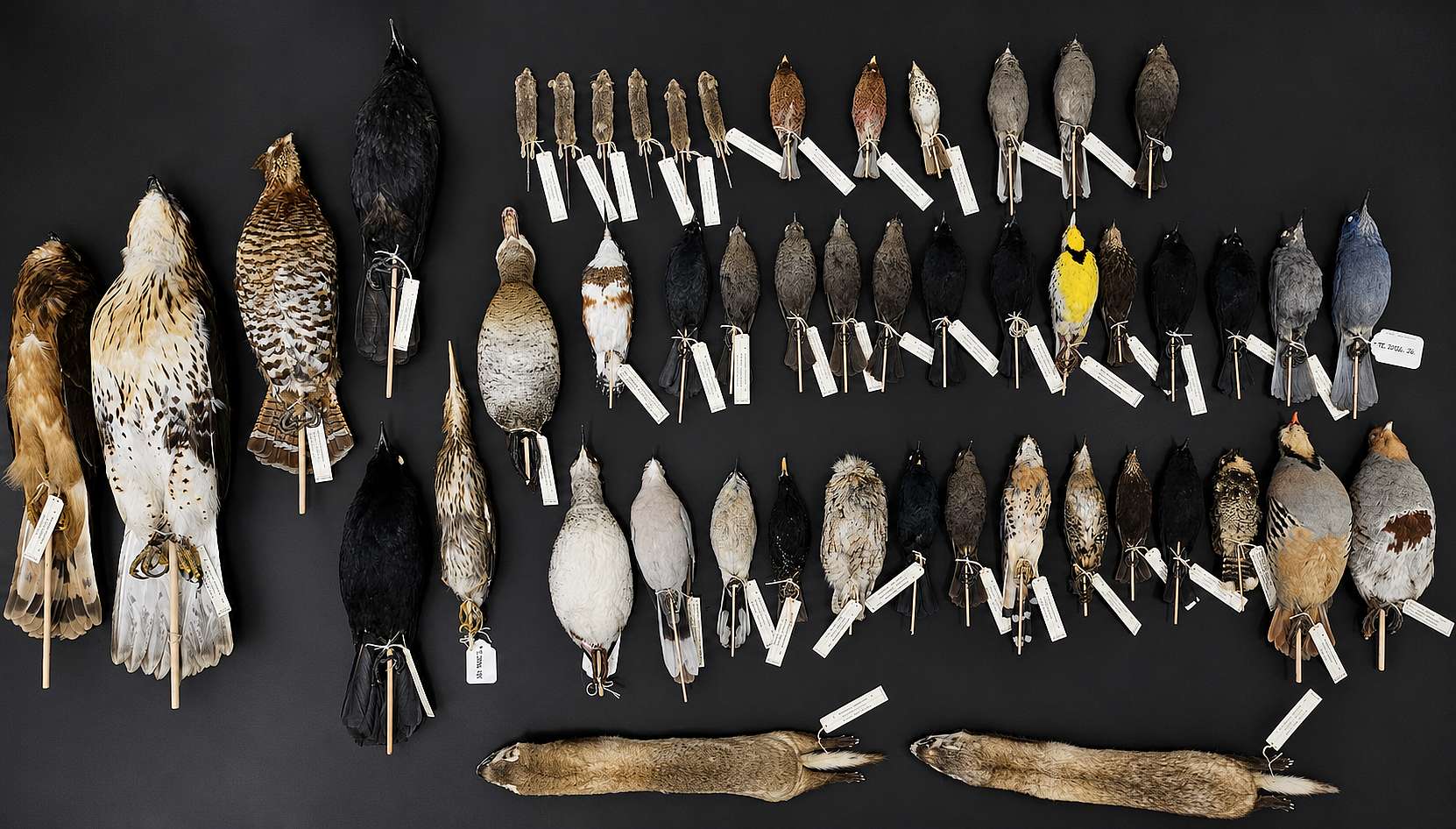 Roundskins prepared during the May 2026 workshop taught by Drs. Andrew Engilis Jr. and Irene Engilis.
What does this mean for the Draper’s collections? Over the 7-day workshop, staff and volunteers prepared 58 roundskins. To give you an idea of the scale of that, as of June 2026, the Draper has over 800 birds in its collection and approximately 500 mammals. This skill allows us to prepare specimens quickly, reducing the backlog in our four overworked freezers. The quickness of roundskin preparation means we can collect more individuals that would otherwise head to the landfill. Each individual is a record of its species at a specific time and place. No two specimens are the same, even if they are the same species. Learning this preparation method, and learning it well, means that we can build a well-rounded collection useful for researchers studying the Greater Yellowstone Ecosystem far into the future.
For a full description of specimen preparation methods, check out this blog post by Corey Anco, Willis McDonald IV Curator of Natural History.
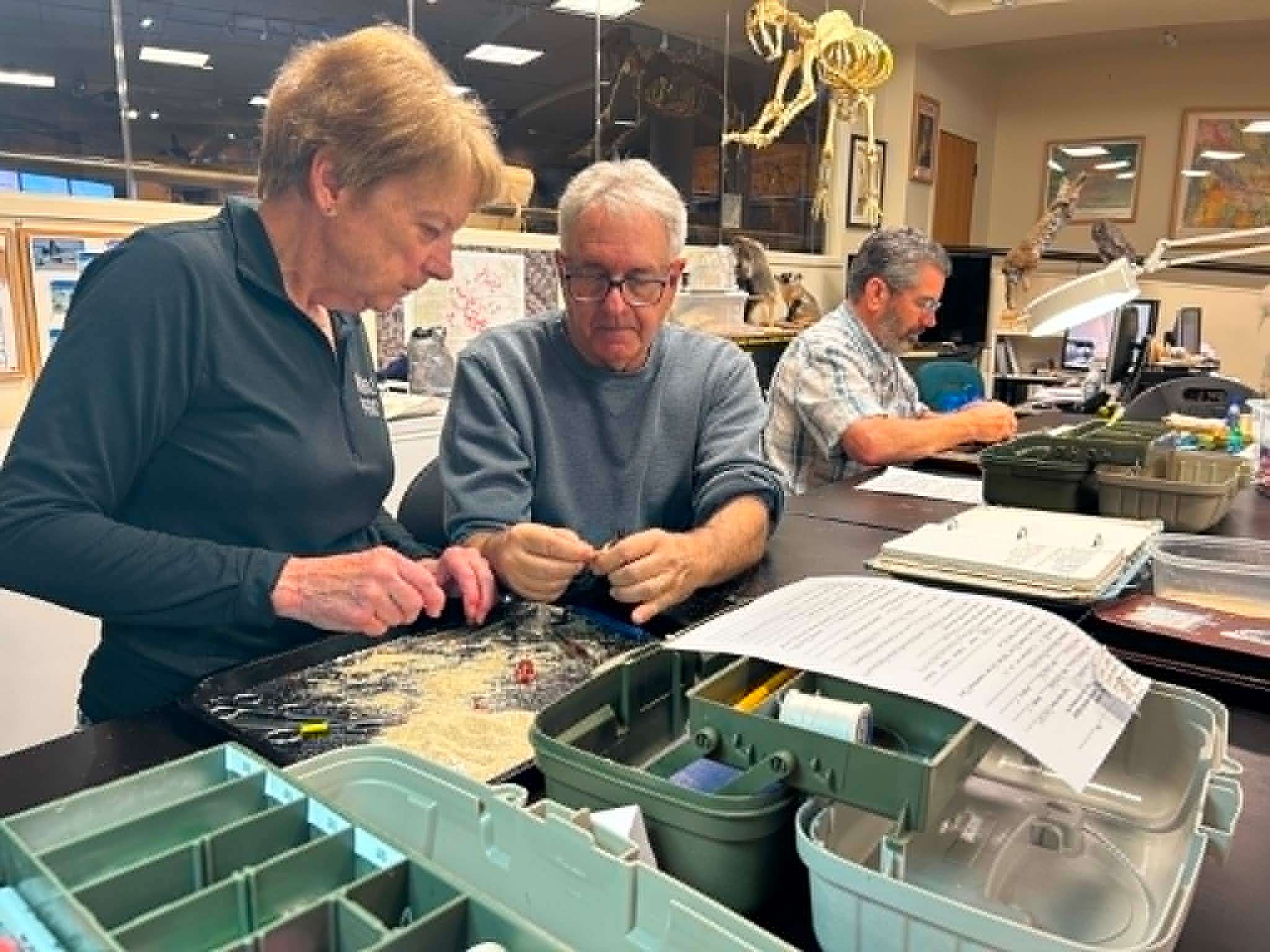
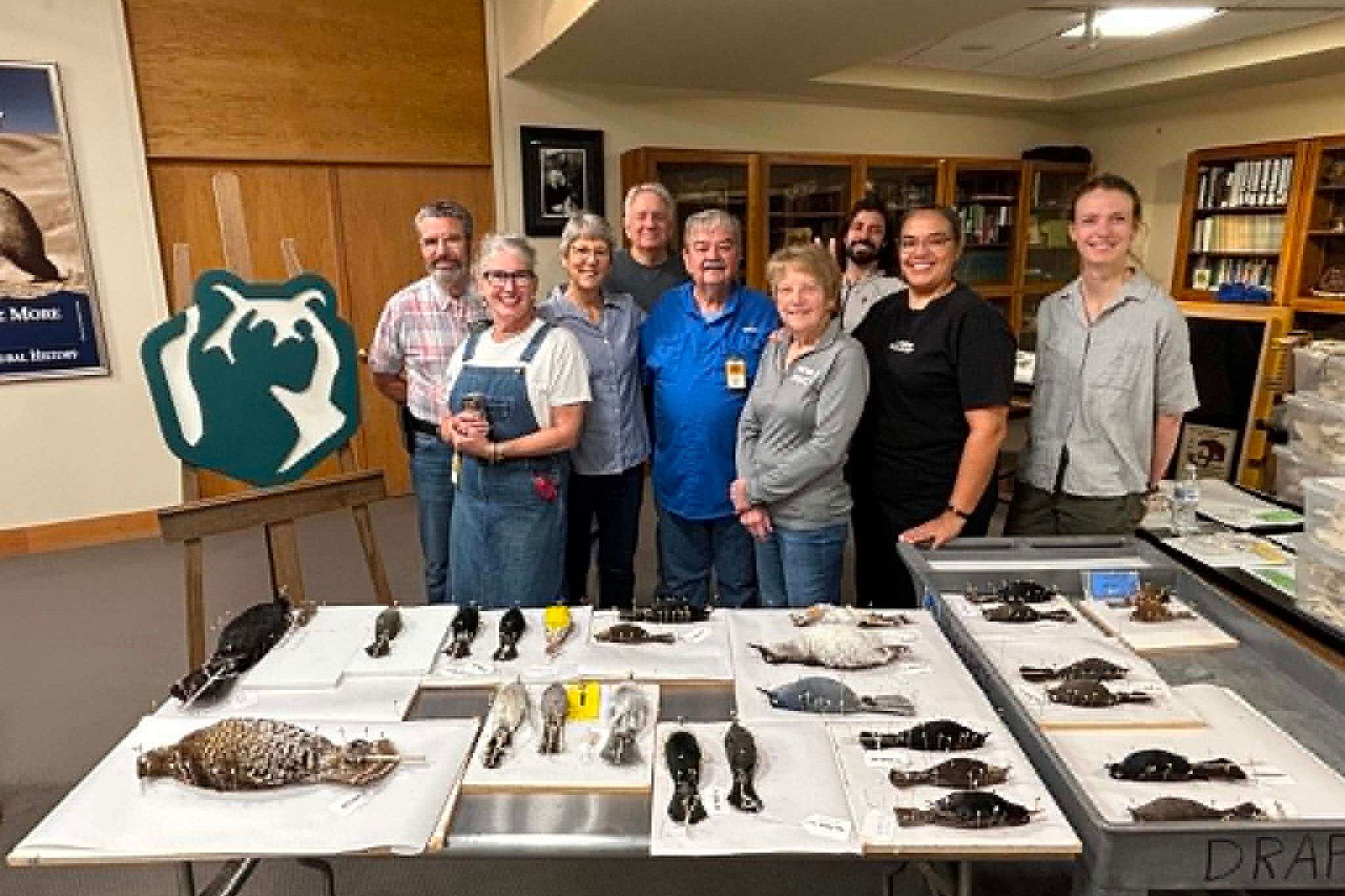 Volunteers and staff spent 7-days learning (and re-learning) roundskin preparation.
| # | Наименование новости | Тональность | Информативность | Дата публикации |
|---|---|---|---|---|
| 1 | The Firearm of the Mountains: The Hawken Rifle and the American West | 0 | 7.95 | 30-07-2026 |
| 2 | From Buffalo Bill to Balanchine: The Rise of Ballet Americana | 0 | 11.85 | 02-07-2026 |
| 3 | The Myth of the Fully Processed Archive | 0 | 10.98 | 20-07-2026 |
| 4 | Here Comes the Boom! | 0 | 13.31 | 15-07-2026 |
| 5 | An Intern in Paradise | 0 | 12.3 | 29-07-2026 |
| 6 | From the Cancan to the Wild West: The Remarkable Life of Giuseppina Morlacchi | 0 | 7.76 | 14-07-2026 |
| 7 | How Hawks and Falcons are Different, Plus Other Common Questions | 0 | 9.12 | 05-07-2026 |
| 8 | Revolutionary Readers: The Library as a Symbol for Freedom | 0 | 9.95 | 30-07-2026 |
| 9 | Breaking Records, Breaking Barriers: Margaret Thompson-Murdock’s Competitive Shooting Legacy | 0 | 14.35 | 30-07-2026 |
| 10 | Grown Folk Summer Camps - Jul 31, 2026 @ Walter Anderson Museum of Art | 0 | 16.8 | 12-06-2026 |