Просмотр новости
Найдите то, что Вас интересует
 Спутники
 РН
РН SpaceX
 Роскосмос
 NASA
NASA
СпутникиРНSpaceXРоскосмосNASABackground The National Health Service (NHS) maintenance backlog reached £15.9 billion in 2024/25, exceeding the £14.0 billion annual cost of running the estate for the first time and marking an 189% increase from £5.5 billion in 2016/17. Capital investment is projected to grow by only around 1% per annum in real terms to 2028/29, against a backlog expanding over 15% annually, making incremental capital expenditure insufficient to close the gap. This study examines why Lean principles, despite three decades of policy advocacy from the Latham Report (1994) to the 10 Year Health Plan (2025), have not been systematically extended from capital delivery into operational estate management. Methods Drawing on 16 semi-structured interviews (I01-I16) and an eight-member expert panel (P01-P08), thematic and content analysis was used to identify recurring barriers to Lean lifecycle extension in NHS estate management. Results Four interconnected themes were identified: structural separation of capital and operations budgets; insufficient Lean tool rigour in the operational phase; cultural and informational barriers to extension; and digital enablement as necessary but insufficient Lean practice. BIM adoption now reaches 72.3% across UK (United Kingdom) construction (NBS, 2025), yet only 14% of practitioners had used a digital twin operationally as of 2021 (NBS, 2021), a figure absent from the 2025 survey. Practitioner accounts describe a sector investing in digital infrastructure without the Lean process discipline to convert data into operational value. Conclusions A standards-anchored, maturity-based migration pathway is recommended, integrating ISO 19650-3, Asset Information Modelling, soft landings, and defined Lean key performance indicators. Operational Lean practice, rather than digital investment alone, is the mechanism through which the NHS estate crisis can be addressed at scale.
The National Health Service (NHS) estate is one of the largest and most complex built-environment portfolios in the world, comprising over 1,200 directly managed hospitals, nearly 3,000 other treatment facilities, and a total occupied floor area of 24.3 million square metres (NHS England Digital, 2023). This study focuses specifically on the NHS in England, which is administered and funded separately from NHS Scotland, NHS Wales, and the Health and Social Care system in Northern Ireland, and for which the Estates Returns Information Collection provides the primary source of estate performance and financial data.
For the clinicians, porters, facilities managers, and patients who depend on the NHS daily, the condition of that estate is not an abstract policy question but a lived reality. It is the temperature of a ward, the reliability of a lift, the safety of an ageing electrical installation. The annual cost of running this estate reached £14.0 billion in 2024/25, a 63% increase from £8.6 billion in 2016/17 (NHS England Digital, 2025a). The maintenance backlog (the estimated cost of bringing the estate to a satisfactory condition) reached £15.9 billion in the same year, a figure that now exceeds annual running costs for the first time and represents a 189% increase from £5.5 billion in 2016/17 (see Figure 1). Of this total, £3.5 billion is classified as high-risk, growing at 28% in a single year, and 51 trusts carry backlogs exceeding £100 million, with Imperial College Healthcare NHS Trust alone accounting for £902 million (NHS England Digital, 2025a).
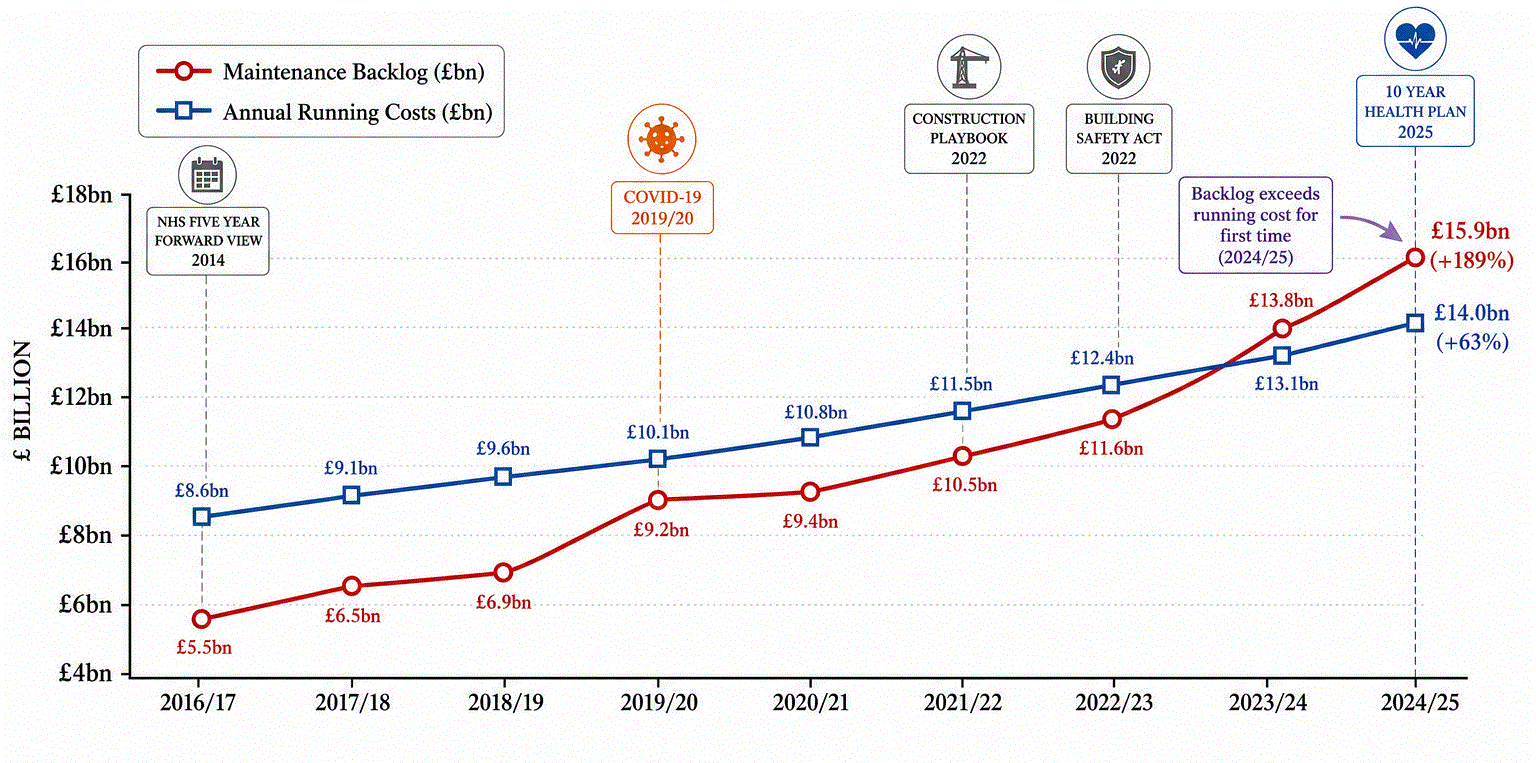
Source: NHS England Digital ERIC returns, 2016/17–2024/25.
These are not simply financial statistics. A high-risk backlog item is a building element whose failure could directly harm a patient or member of staff. When a trust carries £100 million of such risk, the estate is not a background operational concern but a clinical governance issue. The Darzi Review (2024) identified a cumulative capital shortfall of £37 billion across the NHS estate, and the 10 Year Health Plan (HM Government, 2025) projects capital growth of only approximately 1% per annum in real terms over 2025/26–2028/29. At current capital investment rates of just over £1 billion per year against a backlog growing at more than £2 billion annually, the arithmetic is unambiguous. The backlog cannot be closed through capital expenditure alone within any credible planning horizon.
What, then, is the alternative? For over three decades, the answer proposed by successive UK governments has been Lean practice (the systematic elimination of waste, the standardisation of processes, and the pursuit of continuous improvement across the built asset lifecycle). The Latham Report (1994) called for a 30% reduction in construction costs through collaboration and process reform. Egan’s Rethinking Construction (1998) identified waste reduction as the primary route to productivity improvement. The Government Construction Strategy (2011) embedded Lean alongside BIM as the twin levers of public sector estate reform. Yet despite this sustained policy emphasis, Lean practice remains concentrated in capital delivery phases. Operational facility management (FM), the phase where approximately 80% of whole-life costs are incurred (Lavy and Shohet, 2007), has not seen the systematic Lean integration that the policy trajectory promised.
This study investigates why this gap persists and what a credible pathway to Lean lifecycle integration would require. It does so through a mixed-methods design that combines thematic analysis of practitioner evidence with quantitative content analysis, generating frequency-validated findings across four themes. Three original contributions are made. First, quantitative content analysis is applied to validate thematic saturation in a healthcare FM context. Second, a four-theme diagnostic framework is developed for understanding barriers to Lean lifecycle extension in NHS estate management. Third, a standards-anchored migration pathway is developed, grounded in ISO 19650-3 and Asset Information Modelling (AIM). The study is structured as follows. Section 2 reviews the critical literature. Section 3 describes the methodology. Section 4 presents the findings. Section 5 synthesises the discussion. Section 6 offers recommendations. Section 7 concludes.
The scale of the NHS maintenance backlog has been documented in successive ERIC returns, but the policy response has consistently prioritised new capital investment over operational efficiency. The New Hospitals Programme, announced in 2020, committed to 40 new hospitals by 2030, and the Darzi Review (2024) subsequently estimated the total capital shortfall at £37 billion. What is less frequently acknowledged in policy discourse is that new capital investment, while necessary, does not address the operational waste embedded in existing estate management practice. Operational expenditure accounts for approximately 80% of whole-life building costs (Lavy and Shohet, 2007), and it is in this operational phase that the greatest opportunity for efficiency gain resides. The backlog is, in part, a symptom of reactive maintenance cultures that prioritise response over prevention, a pattern that Lean thinking is specifically designed to address. The policy record spanning three decades of UK construction and healthcare estate reform is summarised in Table 1.
Lean construction has a well-established theoretical foundation, drawing on the Toyota Production System (Womack and Jones, 1996) and adapted for project-based production environments by Koskela (1992) and Sacks (2016). Value Stream Mapping (VSM), Plan-Do-Check-Act (PDCA) cycles, and Total Productive Maintenance (TPM) are among the tools most applied in construction contexts. However, the application of these tools has remained predominantly concentrated in capital delivery phases (design, procurement, and construction) with limited systematic extension into operational FM (Mostafa et al., 2015). This capital-phase concentration is not accidental. It reflects a structural reality of the UK construction and FM sectors. Capital budgets and operational budgets are typically managed by different organisations, under different contractual frameworks, with different performance incentives. A contractor who deploys VSM to optimise a construction programme has no contractual or financial incentive to ensure that the same process discipline is transferred to the FM team at handover. The consequence, as Wolstenholme et al. (2010) observed, is that the productivity gains achievable through Lean are repeatedly captured in delivery and then lost at the point of occupation.
Healthcare FM presents a distinctive context for Lean application. The estate is operationally critical, with building failures carrying direct patient safety implications, and the regulatory environment is demanding. Yet the literature on Lean FM in healthcare is comparatively thin. Mostafa et al. (2015) proposed a Lean maintenance roadmap applicable to healthcare contexts, identifying TPM as the tool most directly relevant to planned preventive maintenance. Nesensohn et al. (2015) developed a Lean construction maturity model that, while focused on capital delivery, provides a useful framework for assessing organisational readiness for Lean practice. What the literature does not provide is a validated, standards-anchored pathway for extending Lean from capital delivery into operational FM within the specific structural and regulatory context of the NHS estate. This gap is the motivating problem for the present study.
BIM has been positioned since the Government Construction Strategy (2011) as the information management infrastructure through which Lean practice can be sustained across the asset lifecycle. The theoretical relationship is compelling. If BIM provides accurate, accessible, and current information about building components, systems, and performance, then FM teams can plan maintenance proactively, eliminate reactive waste, and apply PDCA cycles to continuous improvement. Eldeep et al. (2022) demonstrated productivity gains from BIM-Lean integration in construction, and Terreno et al. (2019) identified FM-specific benefits from BIM integration including reduced response times and improved asset tracking. ISO 19650-3 (BSI, 2020) provides the information management requirements for the operational phase, specifying the Operational Information Requirements (OIR) and Asset Information Model (AIM) that are the information foundation for Lean FM practice. However, the evidence for BIM-Lean integration in operational FM is considerably weaker than in capital delivery. Wanigarathna et al. (2019) conducted a systematic literature review of BIM for healthcare FM and found that while the theoretical benefits are well-articulated, empirical evidence of sustained operational deployment is limited. Kiviniemi and Codinhoto (2014) identified the core problem as primarily organisational rather than technological in nature. FM teams inherit BIM models that were built for construction management purposes, not for operational use, and lack the process frameworks to extract value from them. This distinction, between having data and being able to act on it through Lean process discipline, is central to the argument developed in this study.
BIM adoption has reached 72.3% overall in UK construction, a slight increase on 70% in 2023 (NBS, 2025). Organisations that have adopted BIM commonly report benefits including improved coordination of information, better productivity, reduced risk, and increased profitability, with some clients also reporting operational and maintenance cost savings (NBS, 2020). These benefits reflect the self-reported perception of organisations that have both adopted BIM and developed sufficient operational process maturity to act on the data it provides, rather than independently measured cost performance. They do not describe the NHS estate as a whole, where, as the findings presented in Section 4 demonstrate, BIM investment has not been matched by the Lean process discipline needed to convert data into operational value.
Digital twins extend BIM with real-time, bidirectional data flows (Botín-Sanabria et al., 2022), yet only 14% of UK practitioners had used one operationally as of 2021 (NBS, 2021). The 2025 survey did not repeat this usage question, asking instead about transformative potential, where digital twins ranked fifth of six technologies, behind BIM, AI, cloud computing, and offsite construction (NBS, 2025), suggesting digital twins remain a recognised but not yet operationally embedded technology in UK construction. Sacks et al. (2020) emphasised that digital twin information systems require reliable technology and, critically, Lean-context operational processes to deliver value. The Gemini Principles (CDBB, 2018) establish purpose, trust, and function as the three mandatory targets for any digital twin, but are agnostic on solutions, leaving the Lean integration question unresolved. Evjen et al. (2020) and Godager et al. (2021) identified Enterprise BIM (EBIM), an expanded BIM concept spanning the full lifecycle, as uncommon in practice due to absent frameworks and ontologies. The picture that emerges from the literature is of a sector that has invested substantially in digital infrastructure but has not yet developed the operational process frameworks to extract value from it. This is precisely the pattern that the practitioner evidence in Section 4 confirms.
While BIM-Lean integration in design and construction has been studied extensively (Eldeep et al., 2022; Sepasgozar et al., 2021), no existing framework provides a Lean-focused, healthcare-specific approach to strategic facility management spanning the full UK asset lifecycle. The literature identifies the problem clearly. Capital-phase BIM investment is not translating into operational Lean practice, and no validated, standards-anchored pathway exists for NHS trusts to migrate toward integrated lifecycle performance. This study addresses that gap.
A mixed-methods design was adopted, combining thematic analysis of qualitative practitioner evidence with quantitative content analysis to validate thematic saturation. This approach responds directly to the nature of the research problem. The barriers to Lean lifecycle extension are structural, cultural, and informational, and cannot be adequately captured through either purely quantitative survey methods or purely interpretive qualitative approaches. The mixed-methods design follows the convergent parallel model (Creswell and Plano Clark, 2017), in which qualitative and quantitative strands are conducted concurrently and integrated at the interpretation stage. Thematic analysis followed the six-phase framework of Braun and Clarke (2006). Content analysis followed Krippendorff (2018), with themes coded inductively from interview transcripts and deductively validated against the expert panel evidence.
Three primary datasets were generated. Sixteen semi-structured interviews (I01–I16) were conducted with industry experts across healthcare, higher education, retail, rail, commercial real estate, and the public sector, selected purposively to maximise variation in organisational context and professional role. An eight-member expert panel (P01–P08) of senior practitioners evaluated the findings against Proctor and Capaldi’s (2007) criteria of fruitfulness, prudence, quantification, scope, progressiveness, internal consistency, and external consistency. Across twenty-four participants, professional experience ranged from approximately 17 to over 33 years, with an estimated mean of around 24 years, reflecting a sample of highly experienced practitioners across UK healthcare estate management and related digital and Lean disciplines. Interviews were audio-recorded and transcribed verbatim. Panel sessions were recorded and thematically coded. The participant profiles is presented in Table 2.
Ethics and consent
All participants were adult professionals recruited in a voluntary capacity; no minors took part in the study. Written informed consent was obtained from all sixteen interviewees and all eight expert panel members prior to data collection, following procedures approved by the University of Salford Ethics Committee (approval No 6674). Participants were provided with a participant information sheet and consent form outlining the purpose of the study, the voluntary nature of participation, the right to withdraw, and the measures taken to preserve anonymity and confidentiality of interview and panel data.
Interview transcripts were coded using NVivo 14. Initial codes were generated inductively and subsequently grouped into candidate themes. Quantitative content analysis was applied to count the frequency with which each theme was raised independently across the interview and panel datasets, providing a cross-source validation measure. The 75% saturation threshold recommended by Krippendorff (2018) was applied as the criterion for theme confirmation. Expert panel sessions provided an independent evaluation of the thematic framework, with panel members asked to assess whether the four themes adequately captured the barriers they had observed in practice. Secondary data from NHS ERIC returns, NBS surveys, and UK policy documents provided the contextual and quantitative anchors for the discussion.
The purposive, non-random sample means that findings are presented as analytically grounded propositions rather than statistically generalisable conclusions. Their transferability to other NHS contexts rests on the structural and policy conditions that this study has shown to be broadly consistent across literature. Qualitative focus means that the relative weight of individual barriers cannot be precisely quantified. The content analysis frequency counts are treated as indicators of thematic salience within the study population, not as prevalence estimates for the sector.
NHS England Digital’s own data quality documentation acknowledges that the combined effect of recurring changes to ERIC data fields and definitions over time limits and constrains the ability to undertake long-term analysis or compare trends, and that users should exercise considerable caution in any comparative analysis across reporting years (NHS England Digital, 2025b). The multi-year trends reported here are therefore presented as directionally robust indicators of sustained backlog growth and capital shortfall, consistent with this guidance, rather than as a strictly precise comparable time series.
Figure 2 presents the frequency of each theme across the two primary data sources. Theme 1 (Capital–Operations Divide) was raised by 87.5% of interviewees and 75% of the expert panel. Theme 2 (Lean Tool Rigour and Lifecycle Application) was raised by 75% of interviewees and 100% of the expert panel. Theme 3 (Cultural and Informational Barriers) was raised by 68.75% of interviewees and 87.5% of the expert panel. Theme 4 (Digital Enablement and Lean Integration) was raised by 100% of interviewees and 100% of the expert panel. All four themes exceed the 75% saturation threshold on at least one data source, providing cross-source validation within this study. The divergence between interview and panel frequencies for Theme 3 is analytically significant. Senior practitioners on the expert panel rated cultural barriers more prominently than frontline interviewees, suggesting that those with strategic oversight recognise the depth of the cultural problem more acutely than those embedded within it. Given the purposive, non-random sample, these frequencies are treated as indicators of thematic salience within the study population rather than as generalisable prevalence estimates.
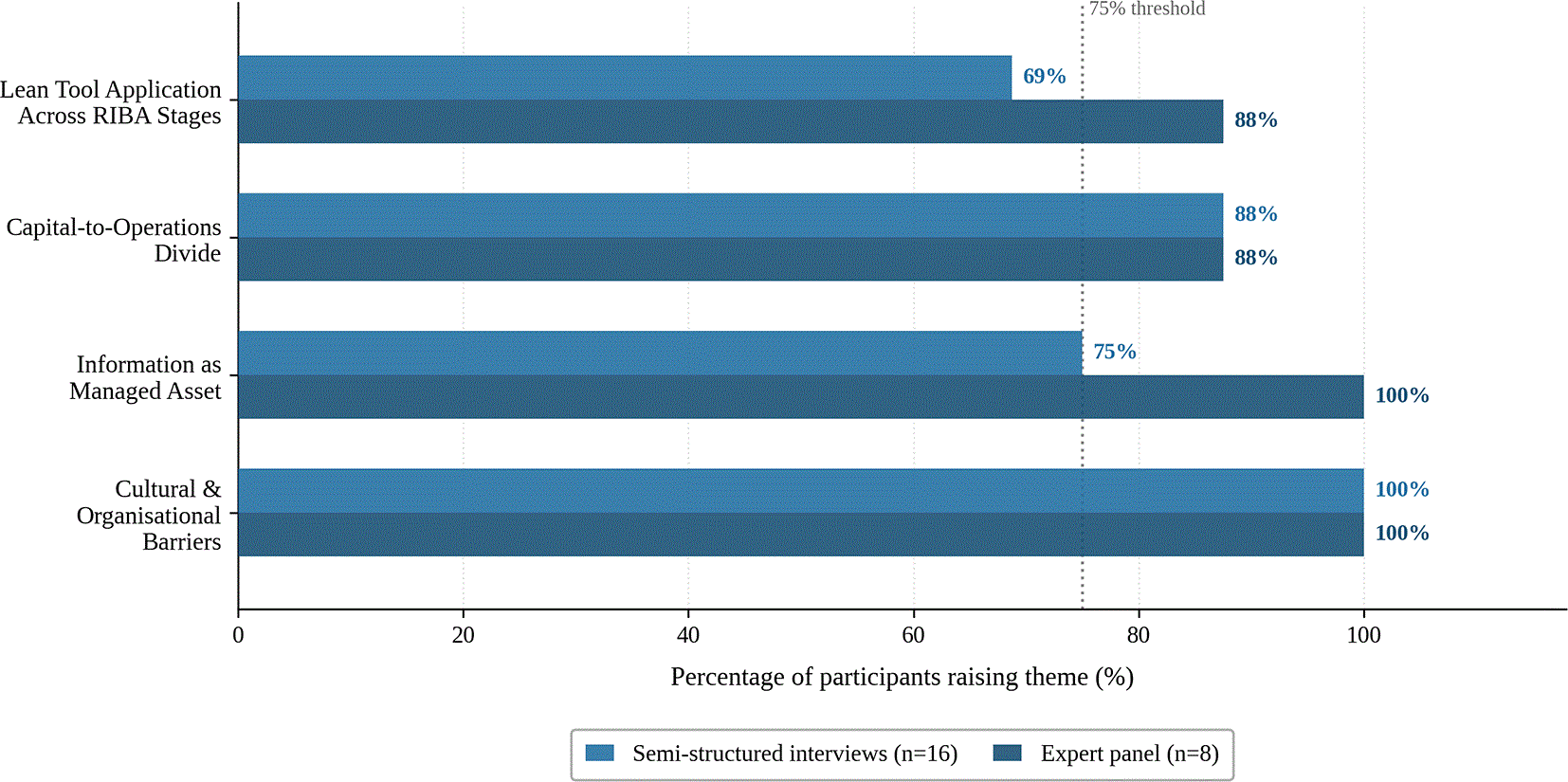
Dashed line at 75% saturation threshold (Krippendorff, 2018). Frequencies reflect thematic salience within the study population and should not be interpreted as generalisable prevalence estimates.
Source(s): Created by authors.
Every interviewee who raised Theme 1 described a version of the same structural reality. Capital budgets and operational budgets are managed separately, by different teams, under different performance frameworks, with no financial mechanism to reward capital investment that generates operational savings. I04, a senior NHS estates director, put it plainly, saying “We can make a case for a capital project that will save £500,000 a year in maintenance costs, but the capital team and the FM team are in different budget lines. The savings don’t come back to us.” I06 described a trust where a planned preventive maintenance programme had been repeatedly deferred because operational budgets were under pressure, even though the deferral was accelerating backlog growth. The pattern is consistent with the structural analysis in Section 2.2. The capital–operations divide is not a failure of individual decision-making but a consequence of the way NHS estate funding is structured.
P02 contextualised this within the broader UK public sector estate, observing that “The NHS is not unique in this. Local authorities, universities, and housing associations all face the same problem. Capital is visible and it gets announced. Operational efficiency is invisible and it gets cut.” What makes the NHS context distinctive, as P06 observed, is the patient safety dimension. As P06 put it, “In a hospital, a deferred maintenance item is not just a financial risk. It is a clinical risk. The two are inseparable, but the budget structures treat them as if they are separate problems.”
Participants reported that Lean tool application tends to be concentrated in capital delivery phases, with limited continuation into operational FM. VSM was the tool most frequently mentioned in construction contexts, with participants describing its use in programme optimisation and supply chain management. PDCA was mentioned in quality management contexts, primarily in capital projects. TPM, the tool most directly relevant to operational maintenance, was the least frequently mentioned and the least systematically applied. I02 described a pattern common across multiple organisations, noting that “We use VSM on projects. We do not use it on operations. The mindset is completely different. On a project, you have a defined end point. In FM, you are managing an ongoing system, and nobody has taught the FM team to think in terms of value streams.”
I14 offered a more optimistic account, describing a trust where a Lean FM pilot had been introduced for planned preventive maintenance scheduling, with measurable reductions in reactive call-outs. But I14 was explicit that this was exceptional, noting that “We had a director who had come from manufacturing. He understood TPM. Without that individual, it would not have happened.” This observation resonates with the cultural barriers identified in Theme 3 (discussed below in Section 4.4) and with the literature on Lean maturity. Nesensohn et al. (2015) found that Lean construction maturity is strongly correlated with leadership commitment and organisational culture, not simply with tool adoption.
The divergence in Theme 3 frequencies between interviews and the expert panel (noted in Section 4.1) reflects a genuine difference in perspective. Frontline interviewees described cultural barriers in terms of individual behaviour and team dynamics, including resistance to change, lack of Lean literacy among FM staff, and the difficulty of sustaining improvement initiatives under operational pressure. Expert panel members framed the same barriers at a systemic level, identifying a sector-wide absence of the continuous improvement culture that Lean requires, compounded by high staff turnover, fragmented supply chains, and a procurement culture that rewards lowest initial cost over whole-life value.
I07 described the informational dimension of this barrier in concrete terms, stating that “At handover, we receive a COBie spreadsheet. It has thousands of rows. Nobody has ever explained to the FM team what to do with it, and the FM team has never asked. It just sits on a server.” This account of COBie data collected without operational purpose is not an isolated observation. It reflects the systemic absence of the information management discipline that ISO 19650-3 (BSI, 2020) is designed to provide, a point returned to in the discussion in Section 5.3. P05 connected this directly to the Lean framework, stating that “Lean depends on reliable, current information. If your asset data is incomplete or out of date, you cannot plan maintenance proactively. You are always reacting. Reactive maintenance is the opposite of Lean.”
The fourth theme reveals a paradox at the heart of current NHS digital strategy. The sector is investing heavily in digital infrastructure while Lean operational practice remains absent. BIM adoption at 72.3% (NBS, 2025) represents a significant digital asset, yet the operational application of BIM in FM remains limited (Wanigarathna et al., 2019). Only 14% of UK practitioners had deployed a digital twin operationally (NBS, 2021), despite widespread recognition that digital twins can complement BIM for real-time operations and maintenance data. Multiple participants (including I07, I08, and I09) described contexts of high digital investment without corresponding Lean process discipline, a pattern that Kiviniemi and Codinhoto (2014) identified as characteristic of BIM-FM integration failure more broadly.
I09 described a trust that had invested significantly in a digital twin platform for a new hospital building, reporting that “The model is there. The sensors are there. The data is there. But nobody has connected the data to a maintenance workflow. It is a very expensive dashboard that nobody uses.” I08 framed the problem in terms of organisational readiness, observing that “Digital tools do not change behaviour on their own. You need the process framework first, and then the digital tool supports the process. We have done it the other way around.” The golden thread duty, enforced under Section 88 of the Building Safety Act 2022 from April 2024, creates a legal compliance imperative for lifecycle information management in Higher-Risk Buildings, but its scope (residential buildings of 18 metres or above) does not map directly onto the bulk of the NHS acute estate. The standards-based recommendations developed in Section 6 therefore extend beyond legal compliance to strategic best practice for the wider healthcare estate.
The Sankey diagram ( Figure 3) illustrates the consequence of this informational gap. Value flows that begin in capital delivery are systematically interrupted at the handover node, bifurcating into waste streams (maintenance backlog, cultural resistance, data loss) rather than continuing as operational value. The diagram makes visible a dynamic that the literature describes but rarely quantifies. The handover quality node is the critical leverage point, and current practice consistently routes flows toward the reactive rather than the Lean-enabled outcome.
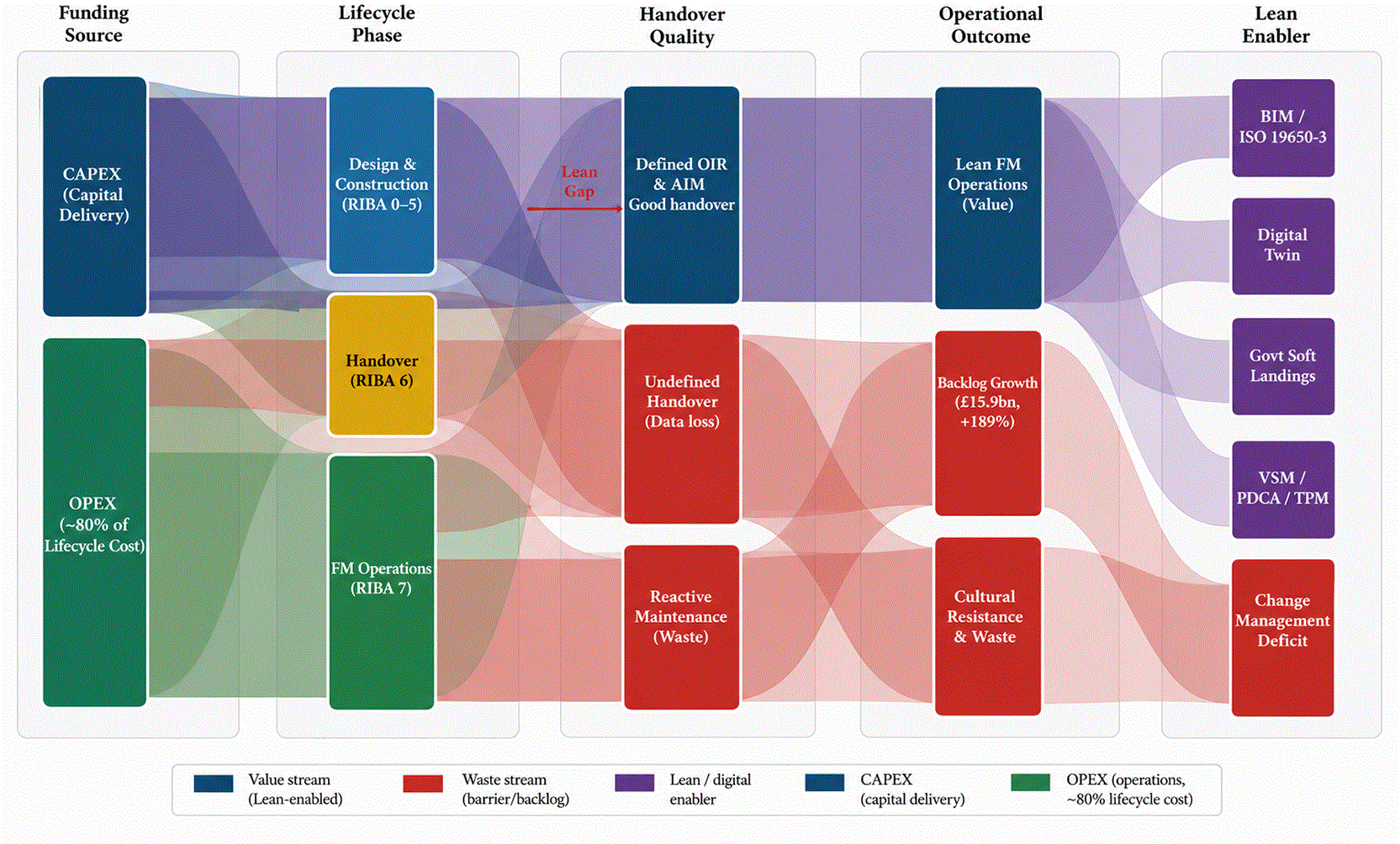
Node widths are proportional to relative evidence weight derived from interview code frequency. Blue ribbons indicate value streams; red ribbons indicate waste streams; purple ribbons indicate Lean enabler pathways.
Source(s): Created by authors.
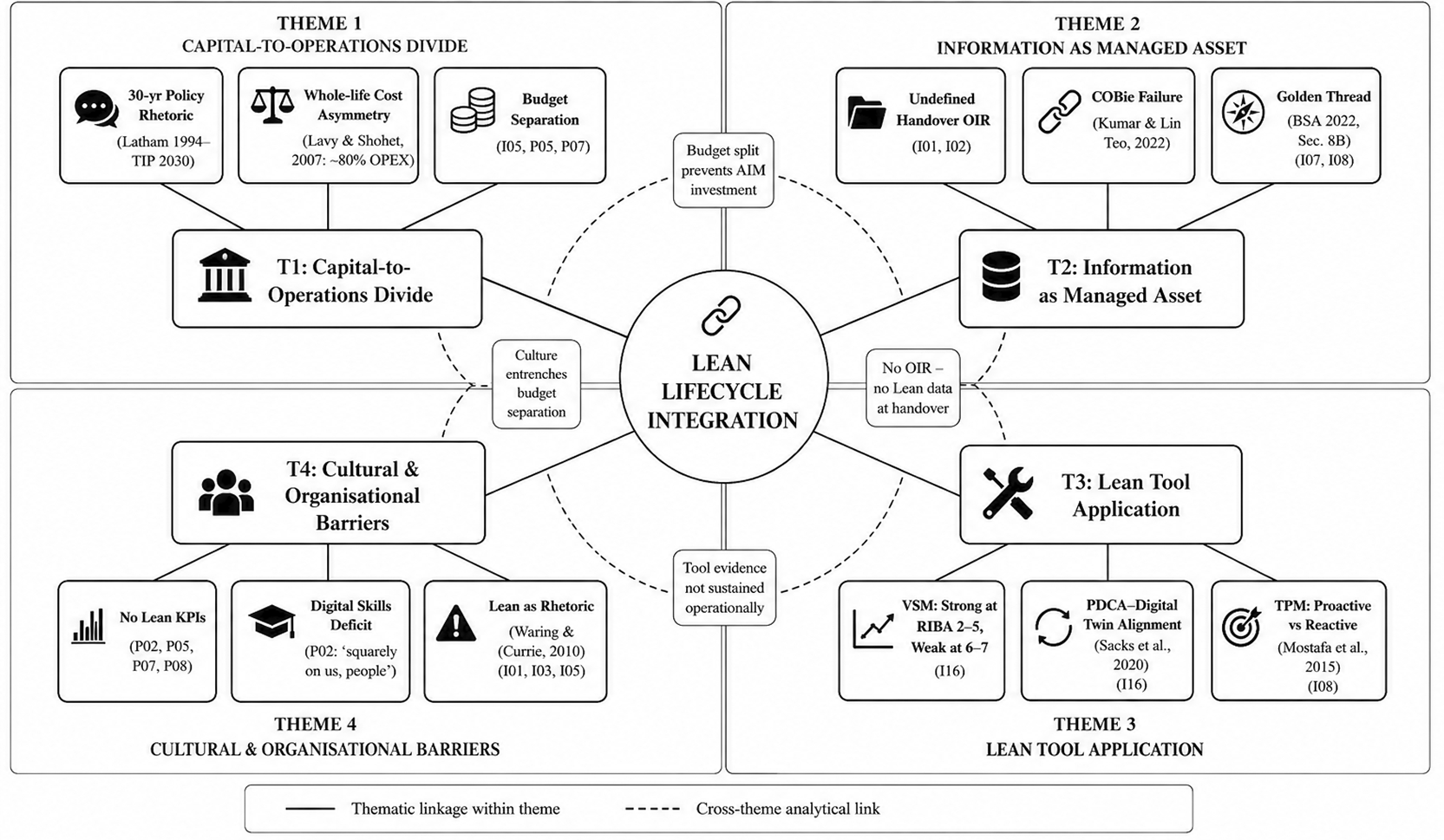
The thematic map ( Figure 4) synthesises the four themes and their interconnections, showing how budget separation prevents AIM investment, how the absence of OIR prevents Lean data collection at handover, and how cultural barriers amplify both. The cross-theme edges, particularly the link between Theme 1 and Theme 3, and between Theme 2 and Theme 4, reveal the systemic nature of the problem. No single intervention addresses the full causal chain.
Source(s): Created by authors.
The ERIC time series ( Figure 1) presents an arithmetic problem that policy rhetoric has consistently avoided confronting. Capital investment in backlog reduction was just over £1 billion in 2024/25, a 27.5% fall on the £1.4 billion invested in 2021/22, against a backlog growing at more than £2 billion per year. At current capital investment rates, the backlog cannot be closed within any credible planning horizon. The Darzi Review’s (2024) identification of a £37 billion cumulative capital shortfall contextualises the scale of the structural deficit, but the 10 Year Health Plan’s (HM Government, 2025) projection of 1% real capital growth per annum confirms that the structural deficit will not be addressed through capital alone. The implication for this study’s central argument is direct and unambiguous. Operational Lean practice (reducing waste, extending asset life, and improving maintenance efficiency) is not a desirable addition to NHS estate management but a structural necessity.
These reframing matters because it changes the question. The question is not “can the NHS afford to invest in Lean FM?” but “can the NHS afford not to?” When reactive maintenance is more expensive than planned preventive maintenance, when deferred maintenance accelerates backlog growth, and when the capital budget is insufficient to close the gap, operational efficiency is not a nice-to-have. It is the only lever available at scale.
The evidence presented in Section 4 challenges a narrative implicit in much of the digital construction literature, namely that BIM and digital twin adoption will, in time, generate operational efficiency gains. The NHS practitioner evidence suggests the opposite dynamic is operating. Digital investment is increasing, but without the Lean process discipline to convert data into operational value, higher BIM adoption produces more data without more efficiency. Kiviniemi and Codinhoto (2014) identified this risk a decade ago, attributing BIM-FM integration failure to organisational processes rather than technology. The NBS (2025) finding that the large majority of respondents believe digital technologies are improving building outcomes, sustainability, and safety is not inconsistent with this analysis, but it is a measure of industry sentiment rather than of realised operational savings. Where sentiment runs ahead of measured performance, this is itself suggestive of the gap this study identifies: enthusiasm for digital adoption without the Lean process discipline to convert that adoption into demonstrable operational value. For NHS trusts that lack this process maturity, as the Theme 4 findings in Section 4.5 demonstrate, BIM investment without Lean process reform risks producing data overhead rather than operational efficiency.
The digital twin accounts from I09 and I08, discussed in Section 4.5, illustrate this dynamic at the level of individual trust experience. They are consistent with the broader pattern that Sacks et al. (2020) identified, namely that digital twin information systems require Lean-context operational processes to deliver value. The technology is a necessary condition but it is not sufficient.
The Sankey diagram ( Figure 3) makes explicit what the thematic analysis describes. The handover node is where value flows bifurcate. Poor handover quality, characterised by absent OIR, incomplete AIM, and COBie data collected without operational intent, routes the majority of capital investment toward waste streams. I07’s account of COBie data sitting unused on a server, reported in Section 4.4, is not an isolated observation. It reflects a systemic absence of the information management discipline that ISO 19650-3 (BSI, 2020) is designed to provide. The soft landings framework (UK BIM Framework, 2019) addresses exactly this leverage point, specifying a structured transition from construction to operation with defined performance targets and data transfer requirements. Yet soft landings adoption remains inconsistent across the NHS estate, and participants reported only limited evidence of soft landings practice at RIBA Stage 6. Addressing the handover node requires not only technical standards compliance but the cultural shift that P02 identified as the sector’s primary challenge, a point that connects directly to the Theme 3 findings in Section 4.4.
The divergence between interview and panel responses on Theme 3, noted in Section 4.1 and explored in Section 4.4, is analytically significant. It is not noise or inconsistency. It is evidence of genuine complexity in the problem. Frontline practitioners experience cultural barriers as interpersonal and operational, while senior strategic practitioners experience them as systemic and structural. Both perspectives are valid, and a migration pathway that addresses only one level will be insufficient. The recommendation developed in Section 6 is therefore designed to operate at both levels simultaneously, providing the structural frameworks (ISO 19650-3, AIM, soft landings) that address systemic barriers alongside the change management scaffolding (staged adoption, KPI frameworks, leadership development) that addresses operational and cultural barriers.
The evidence presented across Sections 4 and 5 points toward a migration pathway that is necessarily staged, standards-anchored, and change-management-aware. No single intervention (whether a digital tool, a policy mandate, or a training programme) addresses the full causal chain identified in the thematic map ( Figure 4). What is required is a coherent organisational change programme in which digital enablement, Lean process discipline, and information management standards are developed in sequence and in alignment.
The first stage of this pathway, as illustrated in Figure 5, is awareness and diagnostic assessment. Before any trust can make meaningful progress toward Lean FM integration, it needs an honest account of where it currently stands. This means conducting a structured gap analysis against ISO 19650-3 (BSI, 2020) to assess the maturity of existing OIR and AIM practice, and applying the four-theme diagnostic framework developed in this study to identify which barriers are most acute in the specific organisational context. The content analysis frequencies reported in Section 4.1 provide a reference point for understanding relative barrier weight across the sector, but each trust will present a different configuration of structural, cultural, informational, and digital barriers. The diagnostic stage should produce a trust-specific barrier profile that informs the subsequent adoption plan.
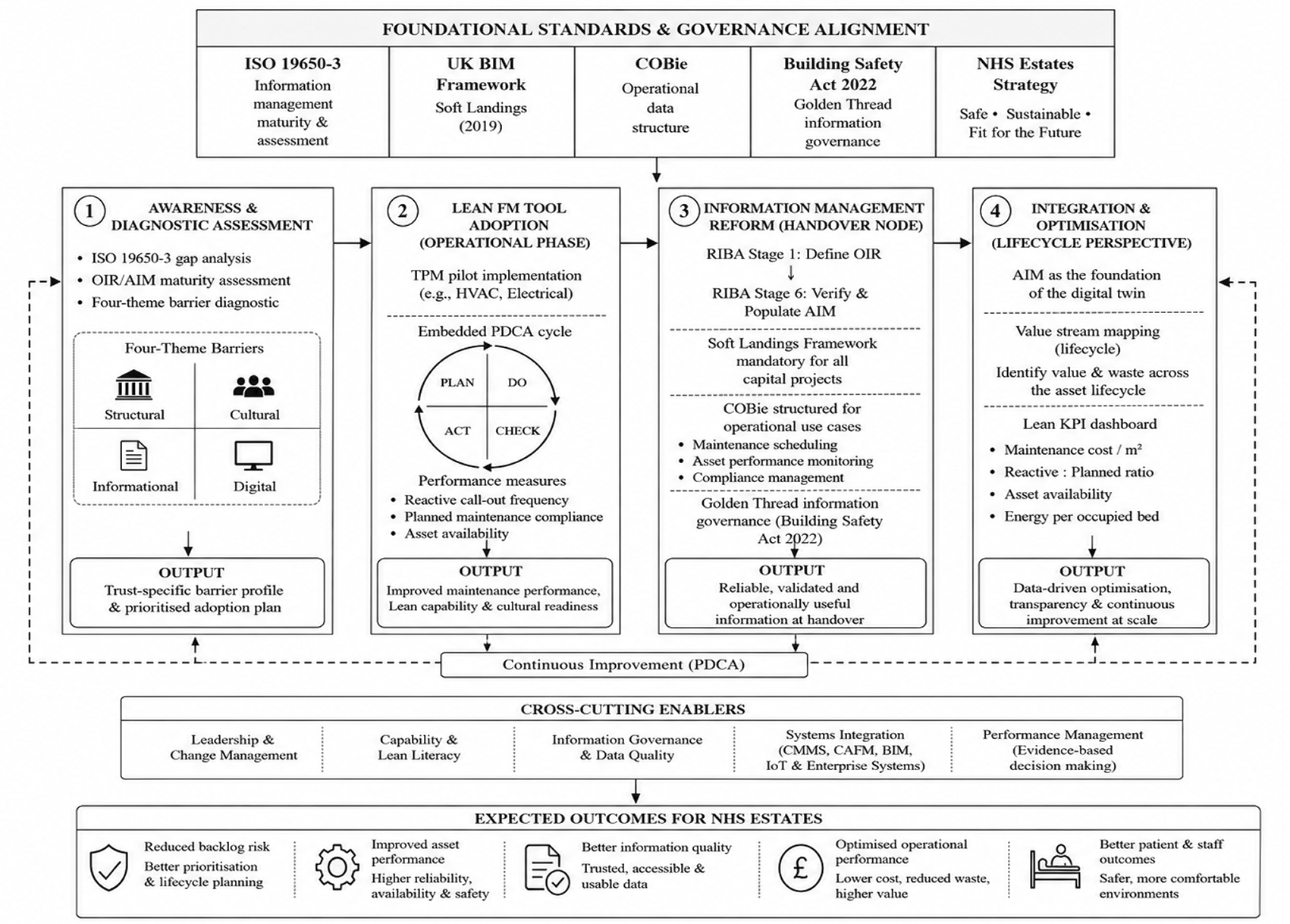
Source(s): Created by authors.
The second stage is structured adoption of Lean tools in the operational phase, beginning with the tools most directly applicable to FM practice. TPM is the natural starting point because it is the Lean tool most directly aligned with planned preventive maintenance, and its adoption does not require the full information infrastructure that VSM-based lifecycle analysis demands. A TPM pilot focused on a defined asset class (for example, HVAC systems or electrical distribution) provides a manageable scope for initial adoption, generates measurable performance data, and builds the Lean literacy among FM staff that the cultural barrier analysis in Section 4.4 identifies as a prerequisite for wider adoption. PDCA cycles should be embedded in the pilot from the outset, establishing the continuous improvement habit that Lean requires. The pilot should be designed with explicit measurement of reactive call-out frequency, planned maintenance compliance, and asset availability, providing the evidence base for the business case for wider adoption.
The third stage is information management reform at the handover node. As the Sankey diagram ( Figure 3) and the discussion in Section 5.3 demonstrate, the handover node is where value flows bifurcate, and poor handover quality is the single most consequential barrier to Lean FM practice. Trusts should adopt the soft landings framework (UK BIM Framework, 2019) as a mandatory requirement for all new capital projects, specifying OIR at RIBA Stage 1 and ensuring that AIM is populated and verified at RIBA Stage 6 before practical completion is certified. COBie data should be structured around operational use cases (maintenance scheduling, asset performance monitoring, compliance management) rather than construction management purposes. The golden thread requirements of the Building Safety Act 2022, while currently limited in NHS application as noted in Section 4.5, provide a useful template for the information governance discipline that all NHS estates should aspire to, regardless of building classification.
The fourth and final stage is integration and optimisation, in which the Lean tool adoption of stage two and the information management reform of stage three are brought together under a digital twin infrastructure. At this stage, the digital twin is not a new investment but the operational expression of the AIM that has been built and maintained through stages two and three. VSM can be applied at the lifecycle level, using the data flows captured in the digital twin to map value and waste across the full asset lifecycle and identify systemic improvement opportunities. Lean KPIs (maintenance cost per square metre, reactive-to-planned maintenance ratio, asset availability, energy performance per occupied bed) should be defined at this stage and tracked through the digital twin dashboard. The gap between the strong industry confidence in digital technology’s benefits and the absence of measured operational cost data, discussed in Section 5.2, illustrates precisely the kind of process-versus-perception gap that Lean KPIs are designed to close. The pathway described here is the organisational change programme through which NHS trusts can move from the current data-rich, process-poor condition to the integrated, Lean-enabled operation that the backlog crisis demands.
The NHS maintenance backlog is not primarily a capital problem. It is an operational problem that capital expenditure alone cannot solve. For the estates professionals, clinicians, and patients who live with its consequences every day, this distinction matters enormously. It changes where effort should be directed, what success looks like, and what a credible improvement pathway requires.
This study has demonstrated, through thematic and content analysis of 16 interviews and eight expert panel sessions, that all four barriers to Lean lifecycle extension (structural budget separation, insufficient Lean tool rigour, cultural and informational barriers, and the digital-without-Lean paradox) are present, interconnected, and consistently evidenced across multiple data sources within this study. A maturity-based migration pathway has been proposed, integrating ISO 19650-3, AIM, soft landings, VSM, PDCA, and TPM within a staged, change-management-aligned framework. The pathway is not a technology roadmap but an organisational change programme in which digital tools are enablers, not solutions.
Three directions for future research follow from these findings. The first is longitudinal study of NHS trusts that have implemented elements of the migration pathway proposed in Section 6, to assess whether the four-theme barrier profile changes over time and what organisational conditions are most predictive of sustained Lean FM adoption. The second is the application of the maturity-based diagnostic framework across a larger and more diverse sample of NHS trusts to assess its transferability across trust types, sizes, and estate configurations. The third is the development of sector-specific Lean KPI benchmarks for NHS FM, providing the performance measurement infrastructure that the migration pathway requires but which does not currently exist in a standardised form.
The study’s purposive sample and qualitative focus mean that findings are presented as analytically grounded propositions rather than statistically generalisable conclusions. Their transferability to other NHS contexts and to the wider public sector estate rests on the structural and policy conditions that this study has shown to be broadly consistent across the literature. The backlog will not be closed by capital investment alone. It will be closed, if it is closed at all, by the systematic application of operational Lean practice to the 80% of whole-life costs that policy has, for three decades, largely ignored.
This research was conducted in accordance with ethical principles and received ethical approval No 6674 from the University of Salford Ethics Committee.
Raw interview transcripts and expert panel recordings are not included in the public deposit. The 16 interview transcripts (I01 to I16) and 8 expert panel records (P01 to P08) contain information that could identify practitioners within a small and closely networked professional community. Ethics Approval No. 6674 (University of Salford Research Governance and Ethics Committee) did not authorise public deposition of raw data, and participants gave written consent on the basis that their individual contributions would remain confidential. Sharing these materials openly would breach both the terms of informed consent and the conditions of ethical approval.
Researchers wishing to access the anonymised interview and panel data may apply by contacting the corresponding author, Alex Mbabu, at [email protected], stating the purpose of the request and the intended use of the data. Requests will be reviewed by the corresponding author on a case-by-case basis and access will be granted subject to: (i) the requester providing a clear description of the intended use of the data; and (ii) the requester’s institution holding equivalent ethical approval, or the requester agreeing in writing to comply with the confidentiality safeguards specified in ethics approval No 6674.
The dataset supporting this study is publicly available on Zenodo at https://doi.org/10.5281/zenodo.21458948 (Mbabu, Underwood, Munir and Wildenauer, 2026), licensed under Creative Commons Attribution 4.0 International (CC BY 4.0). The deposit includes a data spreadsheet containing anonymised interview data (I01 to I16) and expert panel data (P01 to P08) with verbatim excerpts as used in the manuscript, NHS ERIC longitudinal analysis and participant profiles.
Zenodo. Extended data for: Extending Lean from Capital Delivery to Operations in England’s Healthcare Estate Management. https://doi.org/10.5281/zenodo.21458948 (Mbabu, Underwood, Munir and Wildenauer, 2026).
This project contains the following underlying data:
• Extended Data Spreadsheet.xlsx. (Longitudinal NHS ERIC backlog and running cost data 2016/17 to 2024/25 with formula-derived analysis; anonymised interview data I01 to I16 and expert panel data P01 to P08 with verbatim excerpts as used in the manuscript and participant profiles.)
• Ethics Application Panel Decision.pdf. (University of Salford Research Governance and Ethics Committee approval email for Application No. 6674, dated 11 July 2022.)
• Ethics Approval.jpg. (Portal screenshot confirming Application ID 6674, Postgraduate Research, Decision: Approved.)
• Extended Data Expert Panel Evaluation.docx. (Evaluation criteria and framework presented to the expert panel P01 to P08, covering fruitfulness, prudence, quantification, scope, progressiveness, internal consistency, and external consistency.)
• Extended Data Informed Consent.docx. (Blank consent form completed by all participants prior to data collection.)
• Extended Data Interview Schedule.docx. (Semi-structured interview guide used across all sixteen interviews I01 to I16.)
Data is available under the terms of the Creative Commons Attribution 4.0 International licence (CC BY 4.0).
The author(s) declared that no grants were involved in supporting this work.
© 2026 Mbabu A et al. This is an open access article distributed under the terms of the Creative Commons Attribution License, which permits unrestricted use, distribution, and reproduction in any medium, provided the original work is properly cited.
Current Reviewer Status:
AWAITING PEER REVIEW
AWAITING PEER REVIEW
?
Key to Reviewer Statuses VIEW HIDE
ApprovedThe paper is scientifically sound in its current form and only minor, if any, improvements are suggested
Approved with reservations A number of small changes, sometimes more significant revisions are required to address specific details and improve the papers academic merit.
Not approvedFundamental flaws in the paper seriously undermine the findings and conclusions