Просмотр новости
Найдите то, что Вас интересует
 Спутники
 РН
РН SpaceX
 Роскосмос
 NASA
NASA
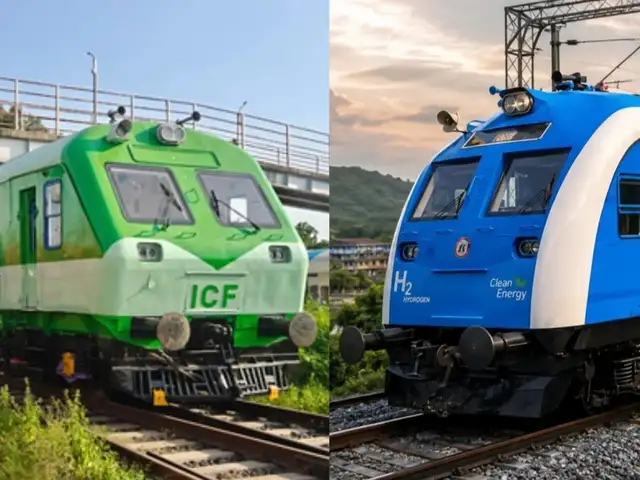
СпутникиРНSpaceXРоскосмосNASAWhile both projects aim to introduce alternative fuels into railway operations, their technologies are different. The hydrogen train uses fuel cells to generate electricity from hydrogen and oxygen, whereas the LNG train uses an internal-combustion engine converted to a dual-fuel LNG-diesel system.
ET Online|
Sep 27, 2026, 07:27:28 PM IST
1/7
India gets first LNG-powered train after hydrogen trainIndian Railways has introduced the country's first LNG-diesel dual-fuel DEMU train, adding another alternative-fuel technology to its railway network after the launch of its first hydrogen train earlier this year. The LNG-powered train was launched from Sabarmati in Gujarat on September 27, 2026, and is designed to run on both liquefied natural gas (LNG) and diesel.
ET Online
2/7
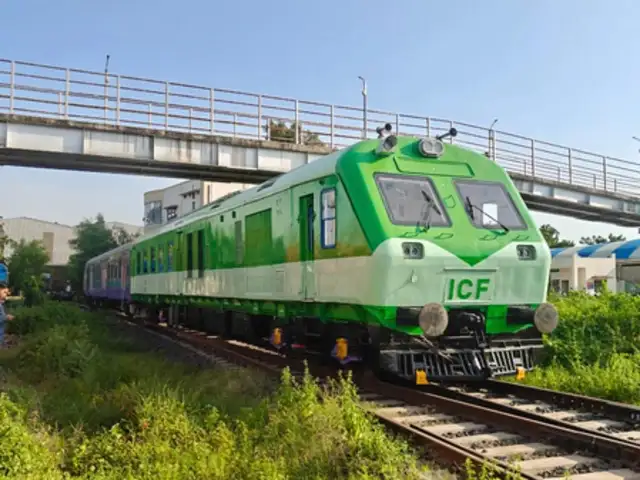
India’s first LNG train launched: How does it work?The new train uses a dual-fuel system, allowing its engine to operate on LNG as well as diesel. Unlike an LNG-only train, it can switch between the two fuels depending on operational requirements and fuel availability. Indian Railways has converted two 1,400 HP Driving Power Cars (DPCs) at the Sabarmati Integrated Coaching Depot for the project. The system is designed to replace around 40% of diesel consumption with LNG, helping reduce fuel use and emissions.
ET Online
3/7
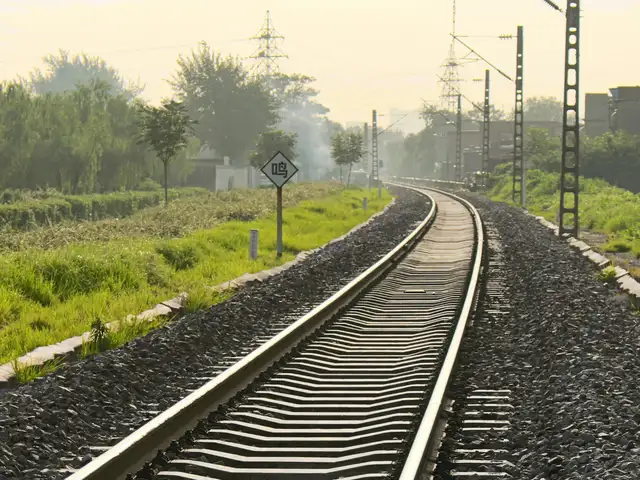
LNG train route: Sabarmati to MahesanaThe first LNG-diesel dual-fuel DEMU began its inaugural run between Sabarmati and Mahesana Junction. The train has eight coaches and features non-AC chair car seating. Indian Railways has already completed more than 2,000 km of field trials on the converted Driving Power Cars (DPCs) to assess the performance and reliability of the dual-fuel technology. Further details about the train’s regular route and operations are expected to be announced soon.
ET Online
4/7
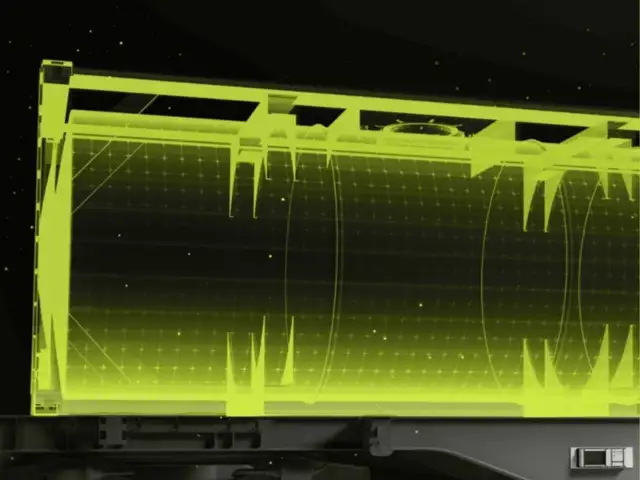
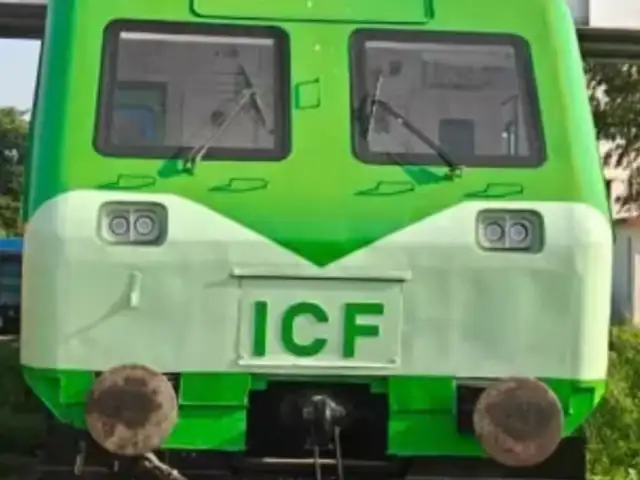
LNG train fuel tank capacity and rangeEach Driving Power Car has an LNG tank with a capacity of around 2,200 litres, holding approximately 950-1,000 kg of usable LNG. According to project estimates, one DPC can cover around 444 km on a full LNG load. The system has been designed to maintain the required power and operational reliability while using LNG alongside diesel.
ET Online
5/7
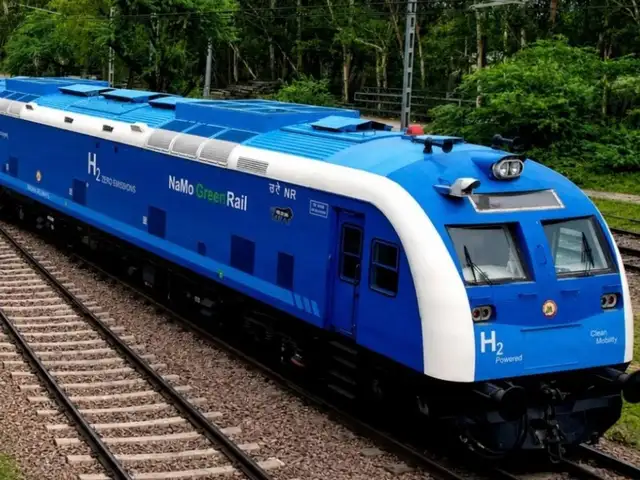
LNG train benefits: Fuel savings and lower emissionsThe LNG system is expected to help Indian Railways reduce fuel costs and emissions, including CO2, nitrogen oxides (NOx) and particulate matter. Trial-based estimates suggest that one DPC could save around Rs 11.9 lakh annually, while an eight-coach rake could save around Rs 23.9 lakh per year. The project is part of efforts to explore alternative fuels and reduce dependence on conventional diesel in railway operations.
ET Online
6/7
India’s first hydrogen train: When was it launched?Before the LNG train, Indian Railways launched the country's first hydrogen-powered train between Jind and Sonipat on July 17, 2026. According to the Ministry of Railways, the train had covered more than 1,200 km by July 25 and saved over 3,200 litres of diesel. The hydrogen train uses a fuel-cell system in which hydrogen and oxygen generate electricity onboard, with water vapour as the direct by-product. It has 10 coaches, including two Hydrogen Driving Power Cars, and a total power output of 2,400 kW.
ET Online
7/7
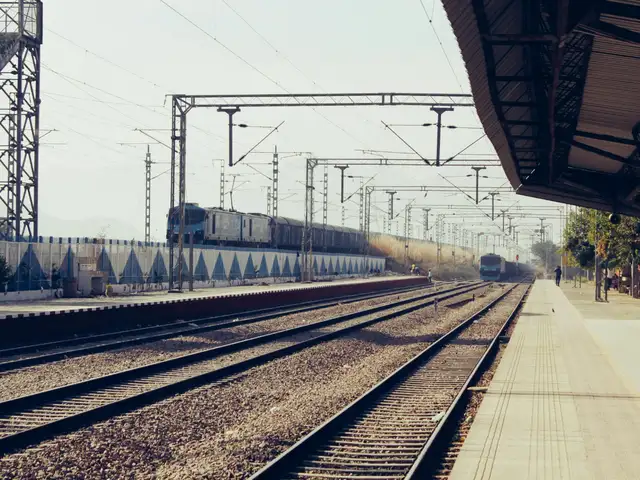
Hydrogen vs LNG trainWhile both projects aim to introduce alternative fuels into railway operations, their technologies are different. The hydrogen train uses fuel cells to generate electricity from hydrogen and oxygen, whereas the LNG train uses an internal-combustion engine converted to a dual-fuel LNG-diesel system. The hydrogen train therefore represents a fuel-cell-based propulsion system, while the LNG train continues to use diesel alongside LNG, with LNG currently replacing around 40% of diesel consumption in the system.
ET Online
Read more on
| # | Наименование новости | Тональность | Информативность | Дата публикации |
|---|---|---|---|---|
| 1 | Railways | 0 | 16.44 | 04-10-2026 |
| 2 | Weg vom Diesel? Neue Antriebsarten bei LKWs | 0 | 9.11 | 15-09-2026 |
| 3 | Railways | 0 | 9.45 | 04-10-2026 |
| 4 | Il treno da 4.400 CV che ha detto addio al diesel | 0 | 14.79 | 26-08-2026 |
| 5 | ORLEN expands LNG and bio-LNG use in shipping | 0 | 10.29 | 07-09-2026 |
| 6 | 'Wireless energy internet' roadmap charts path to light, heat and motion without batteries | 0 | 6.12 | 05-10-2026 |
| 7 | Russian Team Reinvents Drone Engine — and Cuts Costs by 25% | 0 | 16.9 | 30-09-2026 |
| 8 | Ha preso il via lo studio per l'impiego dell'idrogeno nel porto di Savona | 0 | 8.36 | 28-09-2026 |
| 9 | La caravana del hidrógeno demuestra su viabilidad técnica en la automoción | 0 | 8.09 | 23-09-2026 |