Просмотр новости
Найдите то, что Вас интересует
 Спутники
 РН
РН SpaceX
 Роскосмос
 NASA
NASA
СпутникиРНSpaceXРоскосмосNASABone loss can sneak up quietly. You may feel fine day to day, but the combination of shifting hormones, less resistance-style movement, and common nutrition gaps can gradually reduce bone density. The goal isn't just about hitting numbers, but staying steady on your feet, protecting independence, and continuing to move with confidence. Luckily bones remain […]
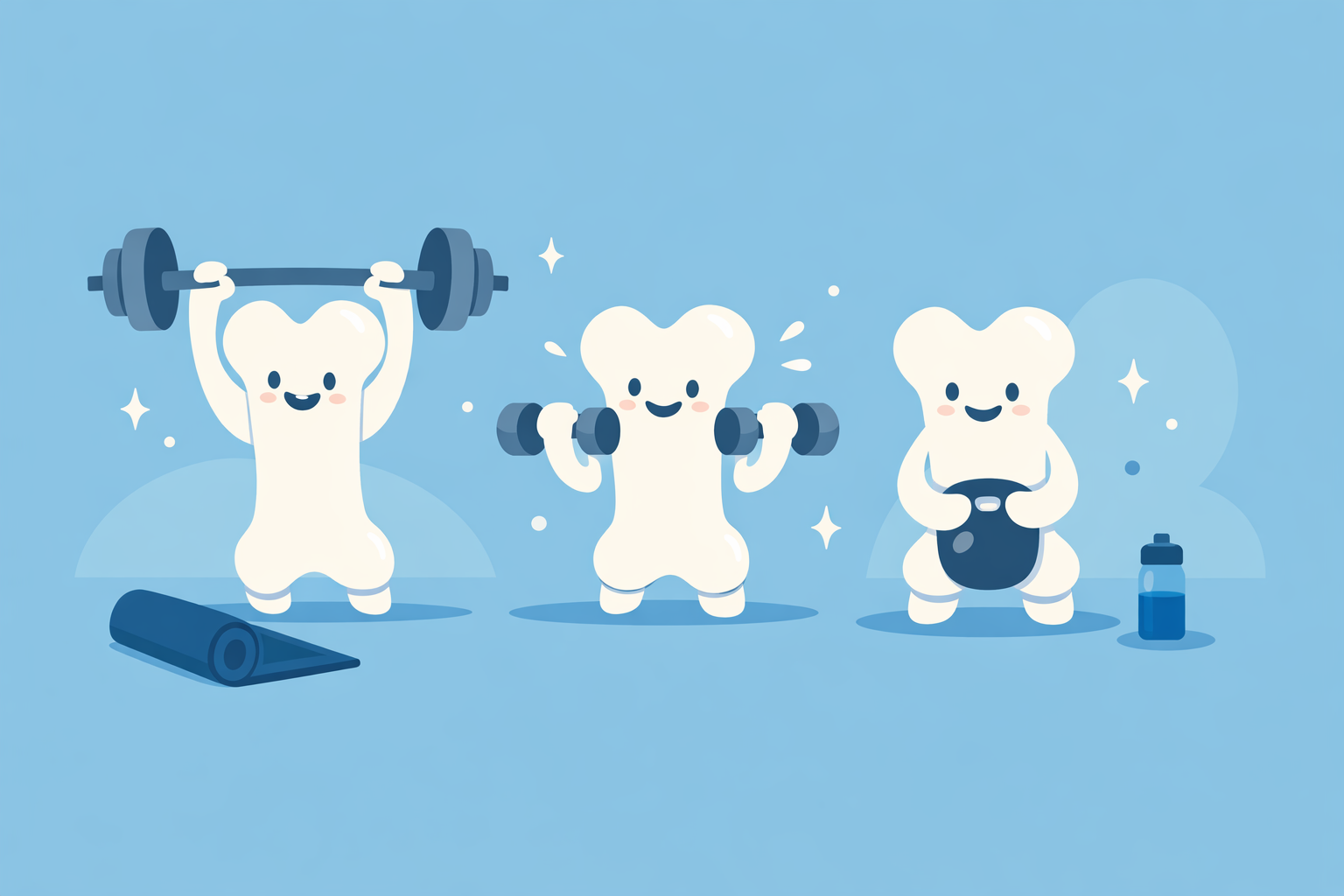
Bone loss can sneak up quietly. You may feel fine day to day, but the combination of shifting hormones, less resistance-style movement, and common nutrition gaps can gradually reduce bone density. The goal isn’t just about hitting numbers, but staying steady on your feet, protecting independence, and continuing to move with confidence.
Luckily bones remain responsive to healthy stress and solid nutrition at every age. The biggest wins come from a handful of consistent habits. Start with one, build from there, and let progress compound.
1) Make strength training and weight-bearing movement your foundationIf you do only one thing for bone health, make it this: train your muscles and load your bones regularly.
What to doEasy starting plan: Try a simple routine twice weekly: chair stands or squats, wall or incline pushups, rows, step-ups, and farmer carries (holding weights or grocery bags).
If you’re new to strength training, start light and focus on form. Gradually increase resistance over time.
Why it helps
Strength training signals your body to maintain bone density and improves the muscle support that protects joints and posture. Weight-bearing movement adds steady mechanical stress that encourages healthy remodeling.
Safety note: If you’ve been diagnosed with osteoporosis or you’ve had a fragility fracture, talk with a clinician or physical therapist about safe exercise choices and movement modifications.
2) Train balance and reduce fall riskFractures aren’t only about bone density. A fall is often the trigger. Improving balance and stability lowers the odds that a slip becomes a setback.
What to doEasy starting tip: Stand on one leg while brushing your teeth (hold a counter for support). Switch sides.
Why it helps
Better balance, stronger hips and legs, and improved reaction time help prevent falls. Pairing balance work with strength training is one of the smartest “fracture prevention” combinations.
Vitamin D helps your body absorb calcium and also supports muscle function, which matters for steadiness and fall prevention.
What to doEasy starting tip: Take a short morning walk outdoors a few days a week, and add a vitamin D–rich food to one meal.
Why it helps
Without enough vitamin D, your body may not absorb calcium efficiently, and muscles may not perform as well, both of which can raise fracture risk.
Calcium is a key building material for bones, but more isn’t always better. Most people do best by prioritizing food and using supplements only when diet falls short.
What to doEasy starting tip: Add yogurt as a snack or breakfast base, or use fortified milk in coffee, smoothies, or oatmeal.
Why it helps
Consistent calcium intake supports the ongoing repair cycle that keeps bones stronger with age.
Bones aren’t just minerals. They rely on a protein-based framework, plus nutrients that support remodeling.
What to doEasy starting tip: Add eggs at breakfast, beans at lunch, or a handful of pumpkin seeds to a salad.
Why it helps
Adequate protein supports muscle and the internal framework of bone, while nutrient-dense eating patterns help lower inflammation that can contribute to age-related breakdown.
After 50, it helps to know your baseline and your risk level. A few checks can clarify what matters most for you.
What to doTalk with your clinician about bone density screening based on your age and risk factors.
Consider earlier evaluation if you have factors like:
If your diet is consistently low in calcium or vitamin D, supplementation may help, but it should be tailored. Too much can cause problems for some people, so it’s worth discussing with a professional.
Quick “Start This Week” checklistUse this as a simple way to build momentum without getting stuck in perfect numbers.
DailyStrong bones aren’t built with one supplement or one perfect workout. They’re built through consistent loading, better balance, and supportive nutrition over time. Start with the habit that feels most doable this week, then add the next step once it feels routine. Small actions, repeated, can make a big difference in how you move and live in the years ahead.
| # | Наименование новости | Тональность | Информативность | Дата публикации |
|---|---|---|---|---|
| 1 | Why So Many Women Over 50 Are Switching to This Simple Workout | 0 | 11.68 | 11-03-2026 |
| 2 | Millions take calcium and vitamin D for bone health. A major review finds little benefit | 0 | 8.15 | 21-09-2026 |
| 3 | Why the secret to a longer life might start with training your balance | 0 | 8.14 | 18-08-2026 |
| 4 | La razón por la que acortamos los pasos al envejecer | 0 | 7.16 | 01-10-2026 |
| 5 | La razón por la que acortamos los pasos al envejecer | 0 | 7.16 | 01-10-2026 |
| 6 | As I get older, why don’t I recover from exercise as fast as I used to? | 0 | 5.33 | 24-09-2026 |
| 7 | From your 20s to your 50s, your nutritional needs keep changing: Here's what your plate should look like | 0 | 6.05 | 02-10-2026 |
| 8 | Younger postmenopausal women may not get enough calcium | 0 | 10.95 | 06-10-2026 |
| 9 | How skipping, hopping and other powerful exercises prevent falls | 0 | 9.82 | 18-08-2026 |