Просмотр новости
Найдите то, что Вас интересует
 Спутники
 РН
РН SpaceX
 Роскосмос
 NASA
NASA
СпутникиРНSpaceXРоскосмосNASAThe same real-time early warning signals that prevent drones from losing control could one day tell your self-driving car that something is about to go wrong.
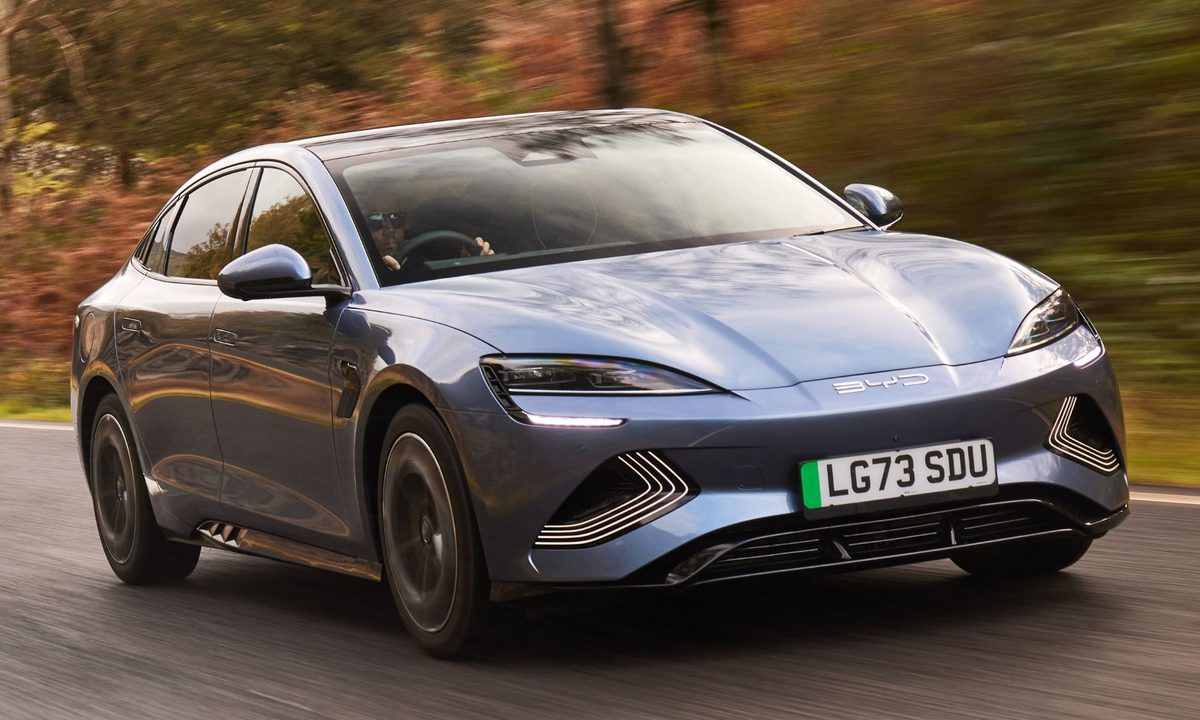 BYD
BYD
When you sprain your ankle in the middle of a run, your body sends a pain signal to your brain, forcing you to stop. Essentially, the ability to sense pain stops you from pushing through the injury and causing further self-harm.
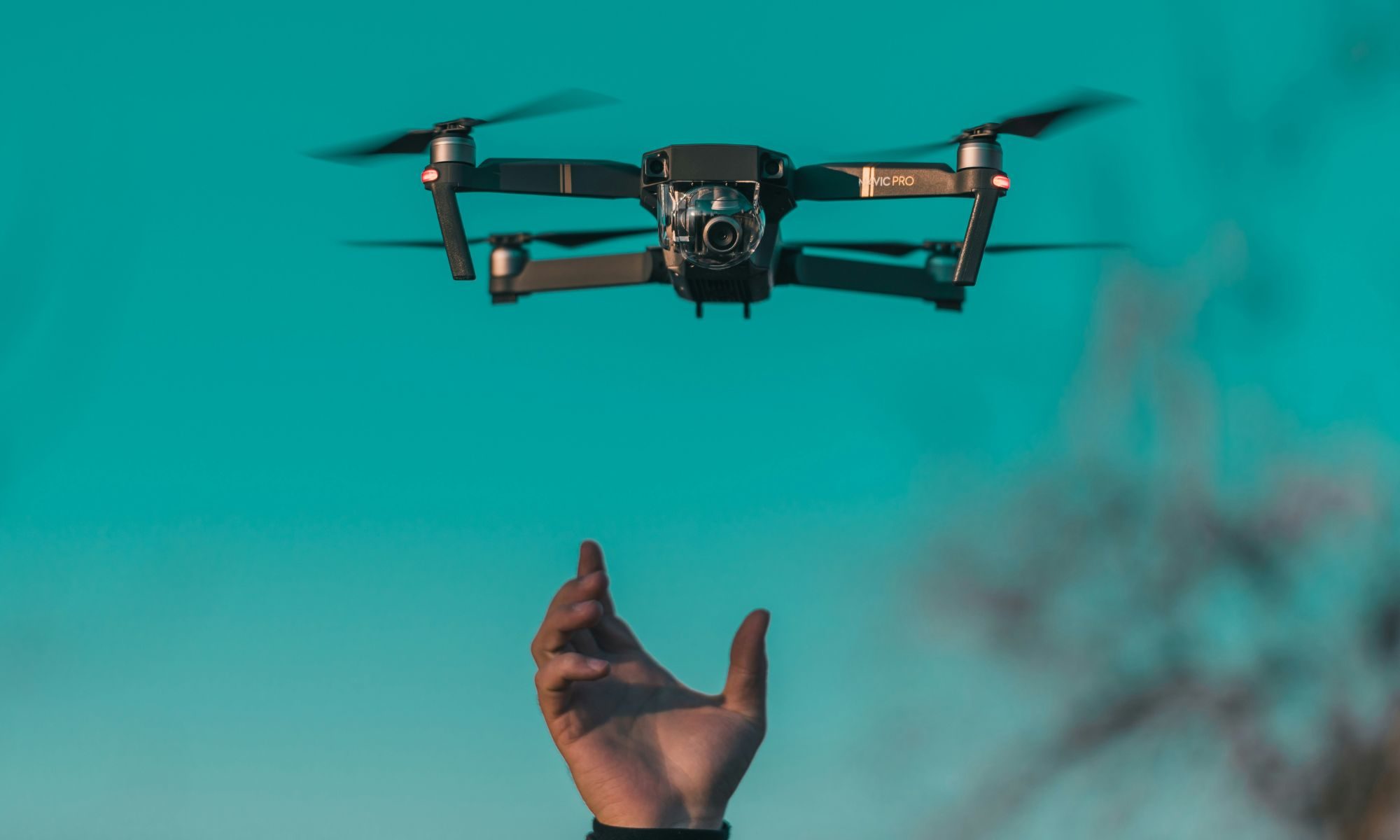
Researchers at Delft University of Technology and Wageningen University have applied this exact concept to drones, giving them a digital equivalent of a nervous system that recognizes a faulty part and triggers a pain-like warning signal. What’s even more interesting is that the technology could find use in self-driving cars.
 Unsplash
So how does the “pain” system actually work?
Unsplash
So how does the “pain” system actually work?
The team developed early warning indicators, something they call “critical slowing down” signals, borrowed from a concept originally used to predict ecosystem collapse in ecology. Their study is published in the Proceedings of the National Academy of Sciences (via TechXplore).
Any complex system, biological or engineered, begins to show subtle changes in its sensor data before it actually fails. This particular system also detects those changes, using only real-time data, without needing predictive models or historical baselines.
They tested it on quadrotors at the CyberZoo drone research facility by incrementally damaging rotor blades from healthy up to 55% tip damage. In their testing, loss of control occurred at 15% blade-tip damage on the front-right rotor, and the system successfully flagged the instability as it gradually built up.
“You can compare our approach to the way humans experience pain,” said lead researcher Jasper van Beers. “After an injury, pain provides immediate feedback about our condition and helps us judge what actions remain safe. Machines generally lack this form of self-awareness.”
 Cruise
How could this help your car?
Cruise
How could this help your car?
The same concept translates to autonomous vehicles and advanced driver-assistance systems, especially the ones deployed commercially as robotaxis.
A self-driving car dealing with a degrading sensor, a failing actuator, or unfavorable road conditions pushing it toward its handling limits faces the exact same problem. It has no way to feel a warning before it loses control.
Since the system works on real-time data alone, it doesn’t require any retrofits or new hardware: it processes what’s already there. The researchers explicitly mention self-driving cars as a target application, which sounds quite appealing to me.

For more than five years, Shikhar has consistently simplified developments in the field of consumer tech and presented them…
How Claude helped my 65-year-old dad finally ditch his handwritten ledgers
AI has a lot to answer for, but this one small win is hard to argue with, at least for me.
My dad has owned a small business for as long as I can remember, and for just as long, he's kept his books the old-fashioned way. Every sale gets written down by hand so he can file his taxes later. The problem is that his accountant needs this data in Excel, and my dad, who didn’t grow up around computers, has never learned how to use it.
For years, his workaround was paying someone to manually type his handwritten entries into a spreadsheet. It worked, but it was adding additional cost to his business, which he wanted to avoid, but couldn't.
AI’s energy tax was already concerning. Research says AI agents are over hundred times worse
AI agents could consume 136 times more energy than today's AI, study finds
The AI industry's soaring electricity demand has already become a growing concern for governments, utilities, and technology companies. But a new study suggests the next generation of artificial intelligence could make that problem significantly worse.
Researchers from the Korea Advanced Institute of Science and Technology (KAIST) have published what they describe as the first comprehensive analysis of the energy cost of AI agents - AI systems capable of reasoning, planning, and completing tasks autonomously. Their findings show that these systems can consume up to 136.5 times as much energy per query as conventional generative AI models, raising fresh questions about whether the infrastructure supporting tomorrow's AI is ready for what's coming.
I hope Apple keeps the MacBook Neo away from the AI hype and preserves its true identity
The cheapest MacBook beats the cheapest AI MacBook.

If there's one thing that has disrupted consumer tech economics over the last year while changing how we understand and recommend products, it's the ever-rising cost of memory and chips.
The desperate need to scale up AI infrastructure has pushed major manufacturers to prioritize enterprise demand, leaving everyday consumers with far fewer choices. Those available cost significantly more than they did a year ago.
| # | Наименование новости | Тональность | Информативность | Дата публикации |
|---|---|---|---|---|
| 1 | New autonomous monitor prevents drone crashes in real time | 5 | 7 | 07-07-2026 |
| 2 | El coche que “ve” a través de los edificios para evitar accidentes: así es la tecnología que anticipa un choque antes de que ocurra | 0 | 7.21 | 16-07-2026 |
| 3 | Глава Mitsubishi Heavy Industries предупредил о рисках производства дронов на автозаводах | -2 | 3 | 06-07-2026 |
| 4 | Could the Army’s light squad vehicle power battlefield drones? | 0 | 5 | 26-06-2026 |
| 5 | Self-driving cars: Near-miss driving data can expedite AV algorithm training | 7 | 8 | 13-07-2026 |
| 6 | "Яндекс.Драйв" тестирует в Петербурге систему распознавания опасного вождения | 0 | 0 | 31-07-2019 |
| 7 | Out of the Blue: China Bans Lights Signaling Self-Driving Mode | 0 | 12.33 | 03-08-2026 |
| 8 | В Сочи разработали систему обеспечения безопасности движения с помощью беспилотников | 0 | 0 | 20-08-2019 |
| 9 | Tech Tools Show Promise in Preventing Workplace Injuries | 5 | 7 | 29-06-2026 |
| 10 | На машинах появятся индикаторы, напоминающие водителям, чтобы те не оставляли детей в авто | 0 | 0 | 04-09-2019 |