Просмотр новости
Найдите то, что Вас интересует
 Спутники
 РН
РН SpaceX
 Роскосмос
 NASA
NASA
СпутникиРНSpaceXРоскосмосNASAPicSee aimed to simplify photo sharing by using AI and facial recognition to identify friends in users' galleries and automatically exchange photos after mutual consent. However, Bidawatka said the product failed to overcome a key challenge — while it succeeded in attracting initial users, it struggled to convince their friends and family to join the platform, and did not gains the network effects required for growth.
PicSee aimed to simplify photo sharing by using AI and facial recognition to identify friends in users' galleries and automatically exchange photos after mutual consent. However, Bidawatka said the product failed to overcome a key challenge — while it succeeded in attracting initial users, it struggled to convince their friends and family to join the platform, and did not gains the network effects required for growth.
 ETtech
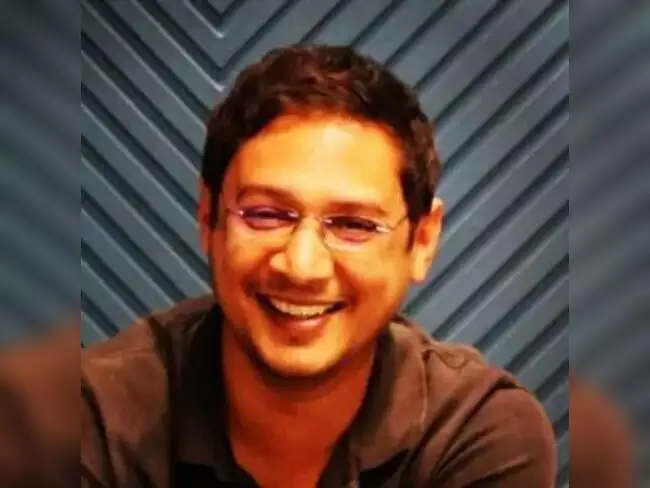
Mayank Bidawatka, cofounder of vernacular microblogging platform Koo, has shut down his latest venture PicSee, an AI-powered photo-sharing app, less than a year after launch. In a detailed note on LinkedIn, Bidawatka wrote he decided to wind down operations after the app failed to achieve product-market fit.
"With a heavy heart, I'm sharing that we've decided to draw the curtains on PicSee and return the unused funds to our investors,” he wrote, adding that the app didn't grow the way he had hoped.
Bidawatka said he will return around 65% of the capital raised to investors. PicSee’s parent Billion Hearts secured $4.25 million in seed funding in 2024 from General Catalyst, Athera Venture Partners, Blume Ventures, and others.
PicSee aimed to simplify photo sharing by using AI and facial recognition to identify friends in users' galleries and automatically exchange photos after mutual consent. However, Bidawatka said the product failed to overcome a key challenge — while it succeeded in attracting initial users, it struggled to convince their friends and family to join the platform, and did not gains the network effects required for growth.
“That meant we weren't just trying to acquire users. We were trying to acquire networks. Unfortunately, there isn't a distribution channel in the world that lets you do that,” he wrote, adding that the team had tried multiple experiments, which mostly didn't scale.
The closure comes two years after Bidawatka wound down Koo, once popularised as India's answer to X (formerly Twitter). Despite raising $70 million and reaching millions of downloads, it shut operations in July 2024 after failing to secure additional funding or an acquirer. In its last reported financials, Koo generated revenues of Rs 3.1 crore in FY25, on a net loss of Rs 31.1 crore.
Elevate your knowledge and leadership skills at a cost cheaper than your daily tea.
Subscribe Now
| # | Наименование новости | Тональность | Информативность | Дата публикации |
|---|---|---|---|---|
| 1 | Pixel Screenshots no longer exclusively uses on-device AI | 0 | 5 | 17-06-2026 |
| 2 | Meta expands generative AI tools with Muse Image rollout | 0 | 7 | 07-07-2026 |
| 3 | The Take It Down Act is in full effect. Now what? | 0 | 7 | 08-06-2026 |
| 4 | Bytes: Week in Review – New year, new state AI laws, new showdown with Trump admin. | 0 | 7 | 09-01-2026 |
| 5 | PayPal отказалась от участия в проекте Facebook по выпуску криптовалюты | 0 | 0 | 05-10-2019 |
| 6 | India must build foundational AI models or risk becoming a mere consumer: BharatGen | 0 | 7 | 26-06-2026 |
| 7 | Meta’s $900 million investment in an Indian startup: Why some are raising red flags | -2 | 7 | 25-06-2026 |
| 8 | Indian AI startups confront new risks after Anthropic pulls Fable 5 | 0 | 5 | 15-06-2026 |
| 9 | Musk’s X poses “serious risk to Americans’ privacy,” advocates warn FTC | -2 | 7 | 02-07-2026 |