Просмотр новости
Найдите то, что Вас интересует
 Спутники
 РН
РН SpaceX
 Роскосмос
 NASA
NASA
СпутникиРНSpaceXРоскосмосNASAPolitics will never be the same again.
4 min read
With new tech, any area that can be optimized, will be. The same applies for AI and diplomacy; nations are now communicating and making decisions in brand new ways.
It’s complex but it’s worth knowing. So, let’s examine the present and imagine the future of diplomacy.
How is AI used in international diplomacy?Right now, AI in diplomacy is mainly found in data analysis and predictive modeling. Advanced algorithms and machine learning (ML) now make vast amounts of data accessible at lightning speed. Diplomats can analyze trends, predict potential conflicts and adjust their strategies at lightning speed—and the outcomes are statistically better.
Let’s zoom in a little.
Models for diplomatic decision-makingThe craft of diplomacy has its own models to help with decision-making. These models help professionals in international relations understand and predict the behavior of other policymakers. So, by leveraging new tech, they can make everything run a little smoother.
Here are a few of these models:
1. Game theory modelsGame theory models help us understand how people negotiate, resolve conflicts and form alliances. They also show us the best strategies to use and how these choices affect the balance of power.
2. Agent-based modelsAgent-based models simulate the actions of individual players—like countries or diplomats—to see what overall results emerge in complicated diplomatic situations.
3. Decision treesDecision trees help show policymakers’ options and possible outcomes, making it easier to analyze strategies.
4. Markov Decision Processes (MDPs)MDPs model situations where decisions are made under uncertainty, which is helpful for negotiations and managing conflicts.
5. Multi-Criteria Decision Analysis (MCDA)MCDA helps evaluate choices by considering political, economic and strategic factors. This facilitates informed trade-offs.
Now, what we can do is consider how Advanced AI-based models can supplement these processes. For example, Deep Q-Networks (DQN) use reinforcement learning with deep neural networks to handle complicated environments. Proximal Policy Optimization (PPO) improves the stability of policy updates. And Actor-Critic Methods combine learning policies with outcome estimation to make better decisions. Together, these models optimize diplomatic actions in high-dimensional international settings.
Can AI help in conflict resolution?Now, let’s talk about conflict resolution. Diplomatic AI is adept at catching potential issues before they spiral out of control. It does so by analyzing communication patterns, project timelines and even emotional signals within teams, This all makes it easier for professionals to proactively manage conflict, while also using predictive models dig deeper to to the underlying causes.
We’re also finding diplomatic AI giving us a more human touch in conflict.
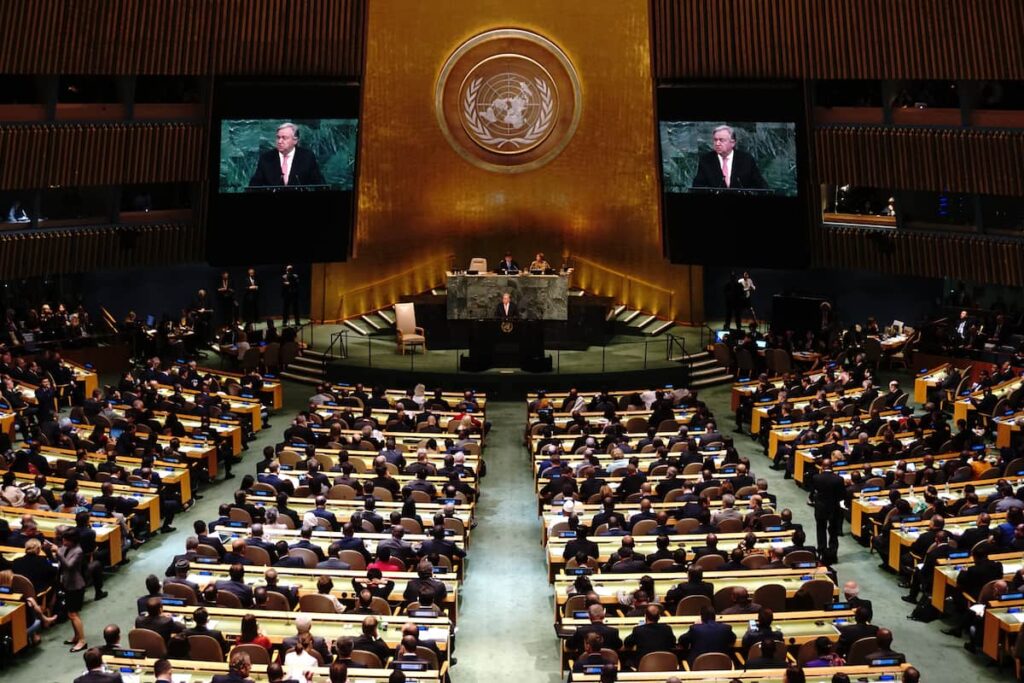
Natural language processing (NLP) tools powered by AI can interpret tone, sentiment and intent in real-time. With multilingual communication, that allows mediators to engage with humor or passive-aggression. Automated mediation platforms can then guide conversations through structured steps, offering fair suggestions to reach an agreement.
AI and diplomacy for military conflictsMilitary AI could fill volumes on its own, but here we’ll focus on a critical slice: how Artificial Intelligence is helping diplomats navigate decisions tied to the military control room. See, you now have drones and data systems—like Project Maven—that can analyze video feeds in real time. By reducing human error, they can detect threats super fast and support quicker, smarter responses.
For short-term decisions that can cost lives, this is a godsend for diplomats.
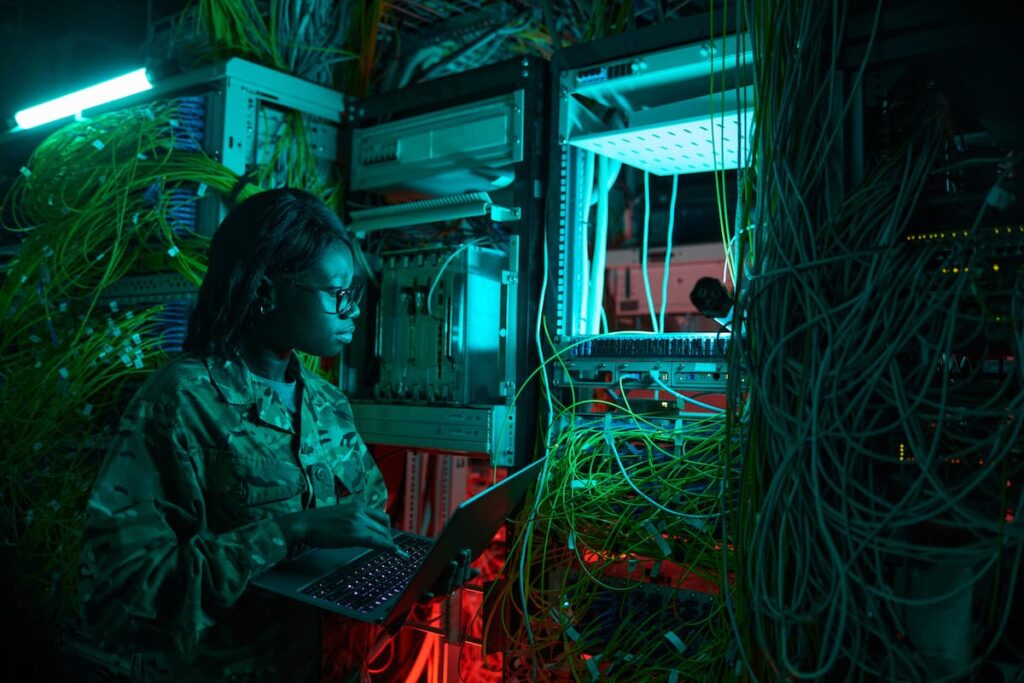
Looking at the bigger picture, AI is becoming vital in strategic forecasting and diplomatic planning. We now have predictive models that sift through historical and real-time data to anticipate results of negotiations. Naturally, governments then have more time to prepare for negative outcomes.
What are the ethical concerns of combining AI and diplomacy?As with most uses of AI, there are still big question marks around ethics. While AI can quickly analyze data, its lack of moral reasoning or cultural sensitivity mean the active involvement of human judgement. On top of that, pinpointing responsibility for decisions influenced by AI remains tricky. There’s still a grey area which needs to be addressed when holding parties responsible for unintended consequences.
There are also concerns that AI will deepen global power imbalances. AI and diplomacy will serve wealthier countries with advanced research, but nations with less technological resources are disadvantaged. Biased training data can also embed existing prejudices into AI systems that skews results against vulnerable groups.
How will AI shape the future of international relations?Clearly, AI and diplomacy will continue merging to enhance decision-making and communication. But as AI becomes more embedded in diplomatic processes, its influence goes far beyond efficiency—it is beginning to shape how diplomacy is fundamentally conducted.
We’ll need governance to take AI governance seriously, ensuring it’s integrated with blockchain technology to ensure transparecy and putting human-first policies in place.
Robust international frameworks can ensure fairness, transparency and equitable access to AI for all nations.
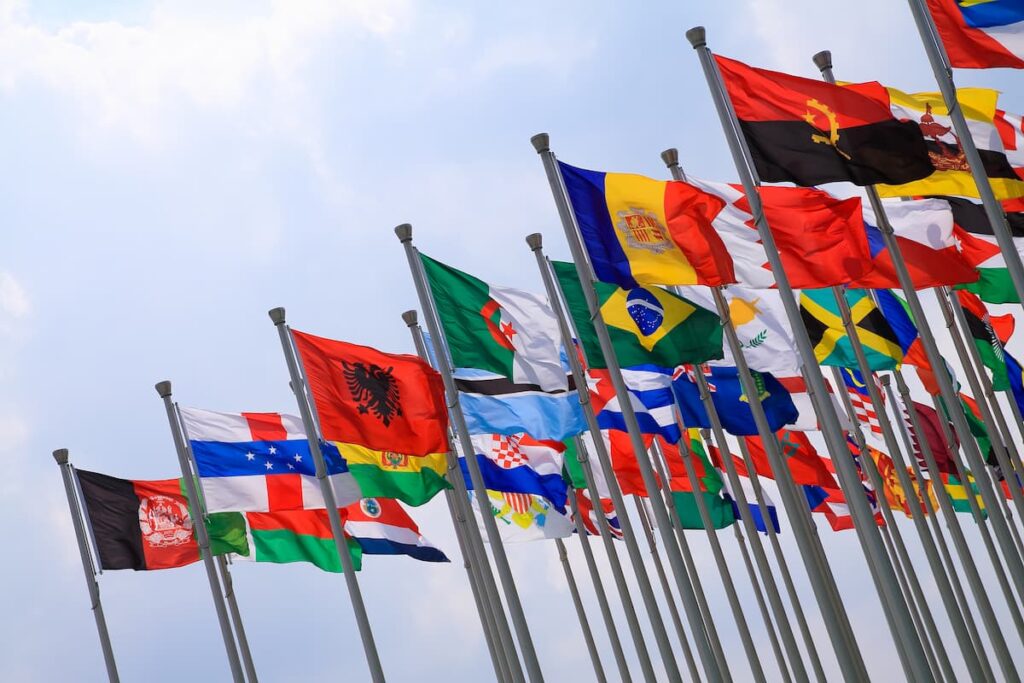
Developing such frameworks is now a diplomatic task in itself. States must collaborate to set shared ethical standards for AI use—ones that respect cultural differences and protect individual rights. There’s an emphasis on accountability—AI can’t become a fallback, but a safeguard in diplomacy. Done right, AI can enhance—not replace—the human values that diplomacy is meant to defend.
How can you learn more about diplomacy and AI?Want to know more about where technology meets global politics? Our Master in Technology & Global Affairs is a great place to start. This program mixes lots of fields to help you understand how AI, blockchain, cybersecurity and other new tech are changing diplomacy, policy and international relations. You’ll also get to work alongside global leaders like Google, the UN’s ITU and GESDA, giving you access to real-world expertise.
At IE School of Politics, Economics & Global Affairs, we’re shaping the next generation of global leaders. Be part of that network and start thinking bigger for yourself.
Find out how the Master in Technology & Global Affairs can propel your career.
| # | Наименование новости | Тональность | Информативность | Дата публикации |
|---|---|---|---|---|
| 1 | How the US Can Counter China’s Emerging Tech Trap | 0 | 8.79 | 29-07-2026 |
| 2 | The future of AI in law: Trends and innovations to watch | 0 | 7 | 11-08-2025 |
| 3 | What is science diplomacy? | 0 | 5 | 06-01-2026 |
| 4 | Navigating uncertain times with the help of artificial intelligence | 5 | 7 | 21-04-2026 |
| 5 | Beyond the Hype: How AI Can Reshape Government Operations | 0 | 10 | 28-05-2026 |
| 6 | How AI is transforming the tech job market | 0 | 7 | 31-07-2025 |
| 7 | AI and the Turing test: Where are we headed? | 0 | 5 | 11-07-2025 |
| 8 | The future of work: AI, remote trends & global economy | 0 | 7 | 14-08-2025 |
| 9 | Agentic AI in HR: How to create responsibly | 0 | 5 | 07-01-2026 |
| 10 | Towards a code of ethics in AI | 0 | 10 | 01-08-2017 |