Просмотр новости
Найдите то, что Вас интересует
 Спутники
 РН
РН SpaceX
 Роскосмос
 NASA
NASA
СпутникиРНSpaceXРоскосмосNASANASA’s Artemis 2 mission to the Moon is set to launch as soon as later tonight, and it will be the most influential mission to space in recent history. But why? This will not be our first time going to the Moon, and they aren’t even landing. So why is Artemis 2 so important?
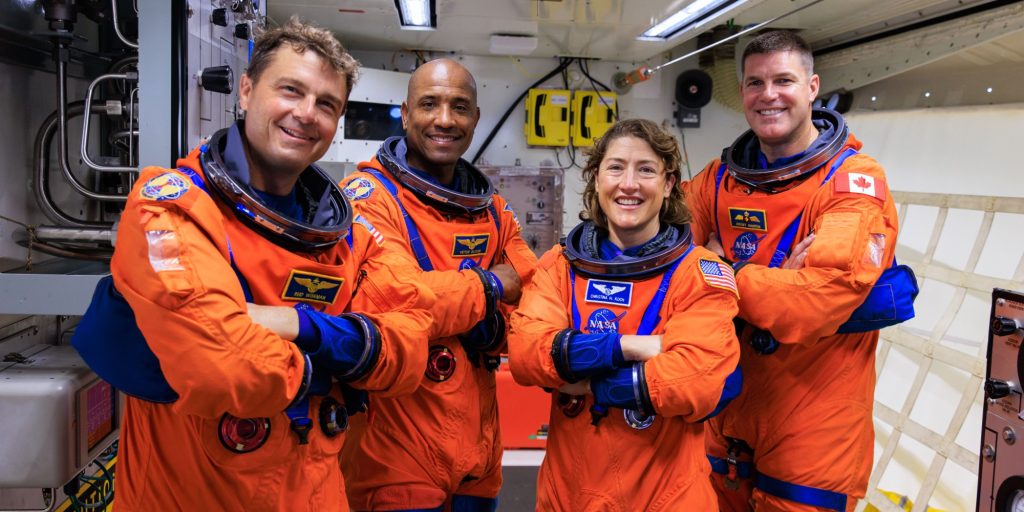 Image: NASA
NASA’s Artemis 2 mission to the Moon is set to launch as soon as later tonight, and it will be the most influential mission to space in recent history. But why? This will not be our first time going to the Moon, and they aren’t even landing. So why is Artemis 2 so important?
NASA’s return to the MoonNASA‘s Artemis program came about during President Trump’s first term and was a way to consolidate the agency’s various efforts around the Moon. It also set a goal of returning astronauts to the Moon.
The Artemis program as a whole consists of both a crewed exploration program and robotic exploration programs. Both serve to better explore the Moon and push the industry to achieve new heights and solve harder and harder challenges.
Orion and SLS crew shakedownArtemis 2’s role in the program is to serve as a crewed test flight of both the Orion spacecraft and Space Launch System rocket. While Artemis 1 was an uncrewed test, Artemis 2 will see four astronauts fly around the Moon for the first time since Apollo 17 in 1972.
With crew onboard, NASA will get their first set of real-world data on the spacecraft, learning how well it performs in space and if any changes need to be made to future spacecraft.
The role of Artemis 2 in the greater Artemis Program is similar to Apollo 8, which saw an overall shakedown of the system on a flyby around the Moon before NASA attempts a landing. The breakup of missions allows NASA to not try too many new things at once because when problems arise, which usually always do on space missions, nothing will be too big of a deal during crucial parts of the missions. (You don’t want to be dealing with a life support issue when trying to dock with a commercial lander for the first time, do you?)
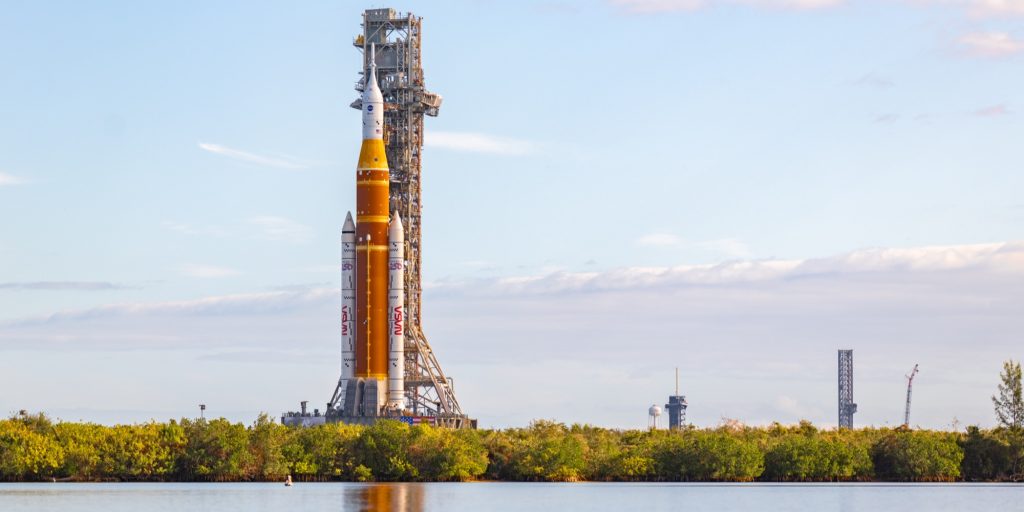 Artemis 2’s rocket rolls out to the launch pad ahead of launch. Image: Steven Madow / Space Explored
First non-American and woman around the Moon
Artemis 2’s rocket rolls out to the launch pad ahead of launch. Image: Steven Madow / Space Explored
First non-American and woman around the Moon
The biggest achievement that will take place on Artemis 2 will be that its crew will feature the first non-American (Canadian) and the first woman to fly around the Moon.
NASA astronaut Christina Koch was selected to be a part of the Artemis 2 crew as a mission specialist. Canadian astronaut Jeremy Hansen will also join the crew as a mission specialist. The final two members of the crew are also from NASA: mission commander Reid Wiseman and pilot Victor Glover. Glover will also become the first person of color to fly to the Moon.
Artemis mission shakeupArtemis 2 is the first mission of the program after the massive shake-up of the overall structure and objectives laid out last week. Originally, the Artemis Program was designed to feature a lunar space station and a commercial lunar lander. Orion would dock to the station and then transfer to a commercially provided lander for surface operations.
The new plan will now consist of a potentially $30 billion lunar base on the surface, with the lunar space station now on pause. NASA is reviewing all of its current lunar programs to see where they can incorporate technologies to make it work and is rethinking some parts of the Artemis program, like the current lunar terrain vehicle, to ensure they fit the new objectives.
NASA also changed up flights of the Artemis Program. Artemis 3 was originally slated to be NASA’s return to the Moon’s surface with a landing provided by SpaceX’s Starship rocket. However, this will now be similar to Apollo 9, testing out docking with a commercial lander in low Earth orbit. Artemis 4 will be the new mission to feature a crewed lunar landing.
Artemis 2 is the start of what will hopefully become regular and much more frequent missions to the Moon. NASA Administrator Jared Isaacman hopes to ensure skills are retained and that there is enough manpower to make it happen. Launches that are years apart, he says, will never lead to a successful return to the Moon that will hopefully be permanent.


FTC: We use income earning auto affiliate links. More.
| # | Наименование новости | Тональность | Информативность | Дата публикации |
|---|---|---|---|---|
| 1 | How to watch NASA’s Artemis 2 rocket launch | 0 | 5 | 01-04-2026 |
| 2 | When can Artemis 2 launch this spring? | 0 | 5 | 13-01-2026 |
| 3 | For the first time in over 50 years, humans are on their way to the Moon | 7 | 8 | 01-04-2026 |
| 4 | NASA is set to send humans around the Moon no earlier than Wednesday | 5 | 7 | 30-03-2026 |
| 5 | Artemis 2’s ride to space is at the pad to begin prelaunch tests | 0 | 5 | 20-01-2026 |
| 6 | Artemis 2’s rocket will roll to the pad in less than two weeks | 5 | 6 | 09-01-2026 |
| 7 | Artemis 2 Mission Launches for Trip Around the Moon | 0 | 15.71 | 01-04-2026 |
| 8 | Amazing Views From Artemis 2’s Historic Lunar Flyby | 0 | 9.1 | 07-04-2026 |
| 9 | America will now not return to the Moon until 2028 | 0 | 5 | 01-03-2026 |
| 10 | Why is the US going back round the Moon with Artemis II? A space policy expert explains | 0 | 7 | 27-03-2026 |