Просмотр новости
Найдите то, что Вас интересует
 Спутники
 РН
РН SpaceX
 Роскосмос
 NASA
NASA
СпутникиРНSpaceXРоскосмосNASACalifornia Attorney General Rob Bonta says delaying the Paramount/Warner Bros. Discovery merger until June 1, 2027, enables the state and 11 other state plaintiffs the proper amount of time to present their antitrust cases in a court of law. WBD/Paramount agreed not to merge until five days after a decision on the merits of the … Continue reading "CA AG Rob Bonta Says Paramount/WBD Merger Delay Affords Time For Legal Process to Play Out"
The post CA AG Rob Bonta Says Paramount/WBD Merger Delay Affords Time For Legal Process to Play Out appeared first on Media Play News.
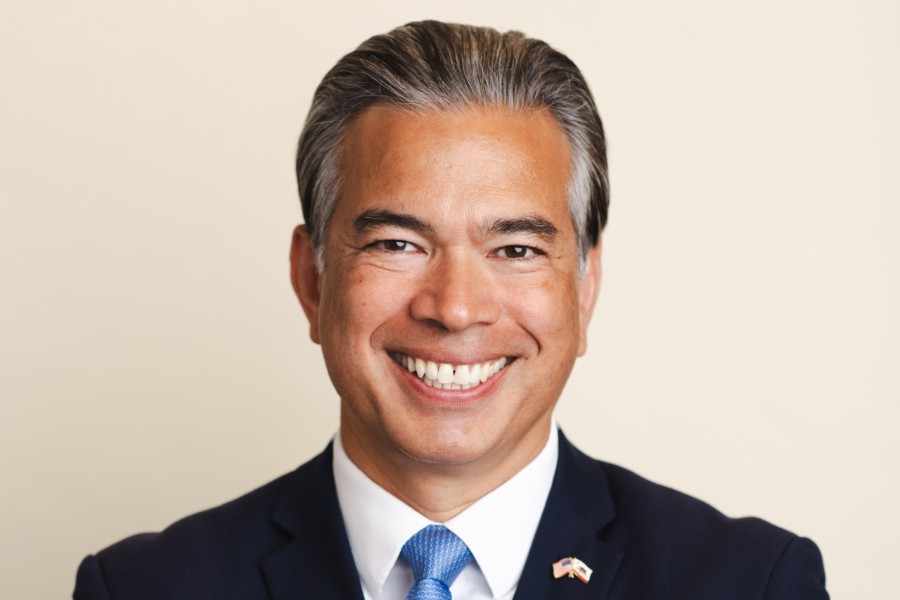
Calif. Attorney General Rob Bonta
July 24, 2026
California Attorney General Rob Bonta says delaying the Paramount/Warner Bros. Discovery merger until June 1, 2027, enables the state and 11 other state plaintiffs the proper amount of time to present their antitrust cases in a court of law.
WBD/Paramount agreed not to merge until five days after a decision on the merits of the states’ challenge, or until June 1, 2027, whichever comes earlier. If the court finds in favor of the states, the merger would be blocked pending appeal. If there is no merits determination by June 1, 2027, the states can file a motion for a preliminary injunction.
During a 36-minute July 24 press conference, Bonta framed the court-ordered delay of the proposed merger as an important procedural and legal victory rather than a final ruling on the merits.
“Our argument against this illegal merger is straightforward: When too few corporations have too much power in markets central to American life, it makes things more expensive, and it makes things worse,” said Bonta. “Today’s agreement is great news for audiences, movie theaters, and the many people who write, build, and create the art, news, and entertainment so many of us enjoy. We are eager to continue to make our case in court and celebrate another tremendous win in our effort to ensure this unlawful merger never sees the light of day.”
Bonta emphasized that the states are seeking to prevent irreversible competitive harm before the transaction closes.
The AG, along with Anjuli Kronheim Katz, executive director of the Committee for the First Amendment, an advocacy organization; and Norm Eisen, a former diplomat and attorney in the Obama Administration, characterized the delay as evidence that the states’ legal arguments are serious enough to justify stopping the deal while litigation proceeds.
Eisen stressed that the delay is intended to ensure that the courts—not the merging companies—determine whether the transaction complies with antitrust law before it can be completed.
Katz argues that further consolidation among major media companies could reduce newsroom independence, diminish the diversity of viewpoints, and concentrate control over news and entertainment in fewer corporate hands.
“The power of many can beat the power of money when we organize – and this is not a done deal,” said Katz. “We’re not also being overly presumptive that we’re going to block this merger. It’s not a full victory, but it is an important indication of the power that we’ve built and what’s possible when we organize people. There’s a lot more to do. This is going to be hard, but it is not hopeless.”
They did not characterize the delay as a permanent block of the merger. Instead, they emphasized that it keeps the transaction on hold until the court reaches a decision or the agreed outside date for the pause.
Sparing a quick trial and verdict, Paramount is likely on the hook for at least $1.3 billion, and possibly around $1.95 billion if a third quarterly payment becomes due before the merger closes June 1.