Просмотр новости
Найдите то, что Вас интересует
 Спутники
 РН
РН SpaceX
 Роскосмос
 NASA
NASA
СпутникиРНSpaceXРоскосмосNASAWe Are Approaching a Turning Point in the War
Ankara became the stage where NATO Allies not only reaffirmed their commitment to supporting Ukraine, but also outlined a new vision for European security. Against that backdrop, particular attention was focused on U.S. President Donald Trump's statements, which suggest that Washington's approach to the Russia–Ukraine war may be shifting.
Which decisions adopted at the summit will have the greatest impact on Ukraine? Is U.S. policy toward the war truly changing? When could the first Ukrainian-made missiles for the Patriot air defense system become a reality? And under what conditions could the war enter a new phase? Ukrinform discussed these and other questions with Yehor Cherniev, head of the Ukrainian delegation to the NATO Parliamentary Assembly and a member of Ukraine's parliament.
UKRAINE IS NO LONGER A PETITIONER, BUT A SECURITY PROVIDER FOR NATO
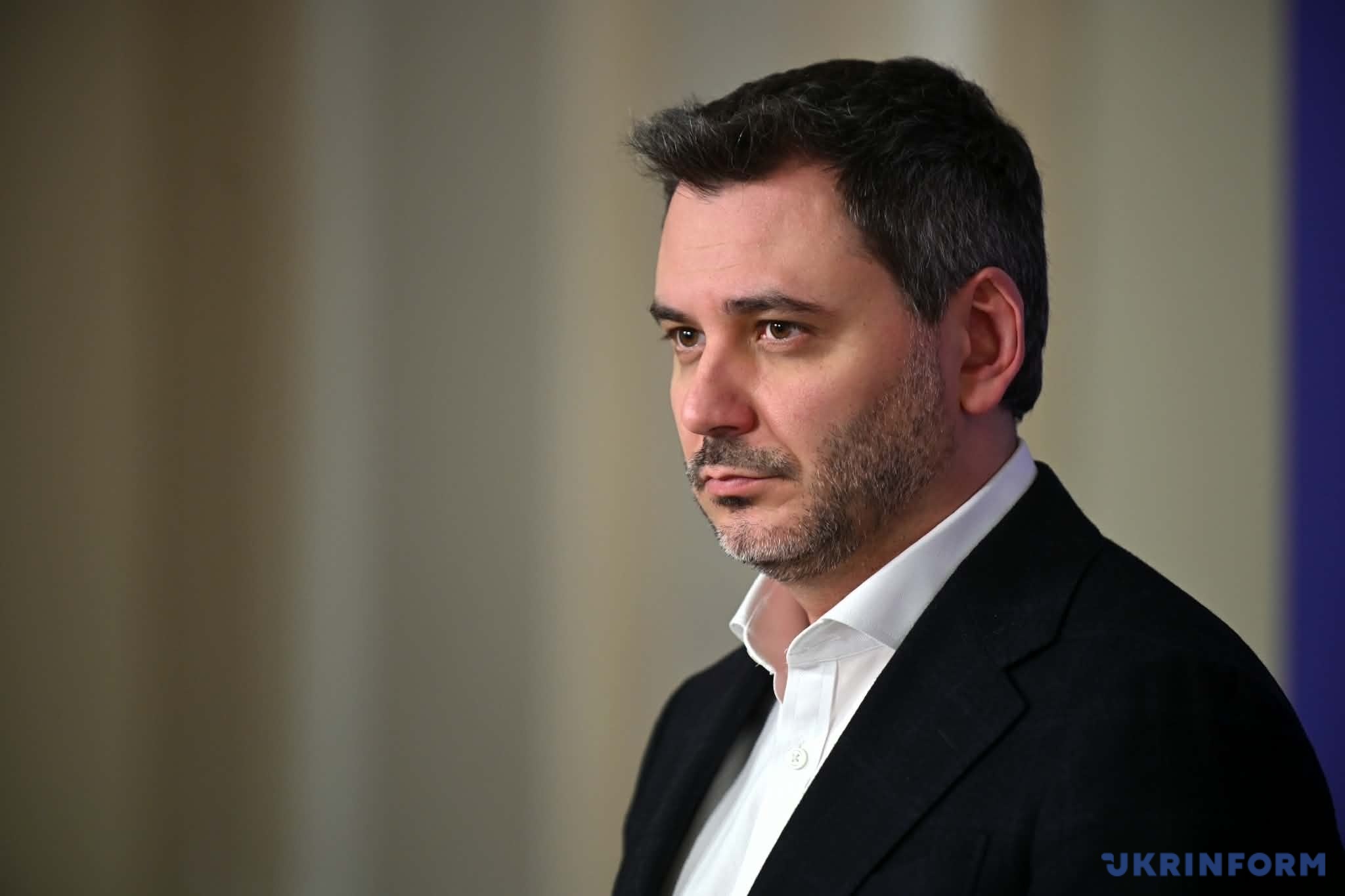
Ukrinform (UI): Mr. Cherniev, let me begin by asking about the outcome of this year's NATO Summit in Ankara.
Yehor Cherniev (YCh): The summit acknowledged the fundamental changes that have taken place in Europe's security environment. Ukraine has become a provider of security and a key regional player, and this was formally recognized. We also received the promised assistance package, which is, in essence, NATO's investment in its own security.
A particularly welcome surprise was President Trump's shift in position and his willingness to authorize licensed production of Patriot missiles in Ukraine. This fundamentally changes the strategic landscape—not only for the course of the war, but also for the security architecture of the region in the postwar period.
UI: What were the most important developments for Ukraine on the sidelines of Ankara 2026? In your view, what deserves particular attention?
YCh: The most significant development was the unequivocal support for Ukraine demonstrated by both Trump and Erdoğan. These are two leaders whose decisions carry enormous weight in today's world, and their pressure on Putin could prove decisive.
UI: In the run-up to the summit, there was widespread speculation about a possible split within NATO because of President Trump's hardline stance, his demand that Allies raise defense spending to 5% of GDP, and disagreements over Greenland and Iran. Yet, in the end, all 32 member states endorsed the final declaration. Moreover, Trump not only signed the document but also described the summit as a success, saying that "the Alliance has become stronger." How was such a broad consensus achieved? And is this unity genuine, or merely a display of solidarity masking deeper disagreements?
YCh: Trump has no interest in weakening or dismantling NATO because it remains an extraordinarily powerful strategic instrument. What he wants is an Alliance that is more responsive to U.S. leadership and better aligned with broader American strategic interests.
At the same time, the United States relies on NATO to deter Russia in Europe. That is why Trump has been pressing European Allies to increase their defense spending while Washington concentrates more of its strategic attention on the Indo-Pacific.
Gradually, Trump's position and those of NATO's European members have been converging, enabling him to secure many of the decisions he has advocated. This has not happened overnight. Through his high-profile statements and assertive approach, Trump has consistently sought to push Europe to move faster.
UI: Turning to the joint declaration itself, how do you assess the document overall?
YCh: It is a balanced document that reflects the interests of all parties.
The European Allies secured U.S. agreement to include language recognizing Russia as a long-term threat to NATO.
President Trump, in turn, secured NATO's endorsement of the position that Iran must not be allowed to acquire nuclear weapons and that Tehran must respect freedom of navigation through the Strait of Hormuz.
Ukraine, meanwhile, was recognized not as a petitioner, but as a contributor to transatlantic security—a significant acknowledgment of its role as a regional security provider.
UI: The Ankara Declaration describes Ukraine as "a country contributing to transatlantic security," yet references to the "irreversibility" of its full NATO membership have disappeared from the text. Should this be seen as a successful compromise, or does it effectively consign Ukraine to a gray zone for years to come?
YCh: Ukraine is already a de facto member of NATO. The level of support we receive from the Alliance is, in many respects, comparable to the commitments enshrined in Article 5 of the Washington Treaty. And if, after the war, the United States follows through on President Trump's pledge to shield Ukraine's skies, that would amount to full membership in all but name.
The legal formalization of that reality may come later, once the necessary conditions are in place. But for us, what matters now is not the label—it is the substance.
UI: NATO has committed €70 billion in assistance to Ukraine for 2026, with the same amount pledged for 2027. At the same time, there is an important caveat: the United States is not contributing financially to this package, meaning that the primary burden will fall on European countries and Canada. Can European budgets sustain this level of support without direct U.S. participation?
YCh: This issue was carefully worked out long in advance, and the Europeans have, of course, assessed what they can afford. Supporting Ukraine and containing Russia has now become Europe's area of responsibility as part of the broader global strategic realignment. The United States, meanwhile, is focused on the Indo-Pacific as its primary strategic theater.
TRUMP HAS IDENTIFIED THE WEAK LINK IN THIS WAR
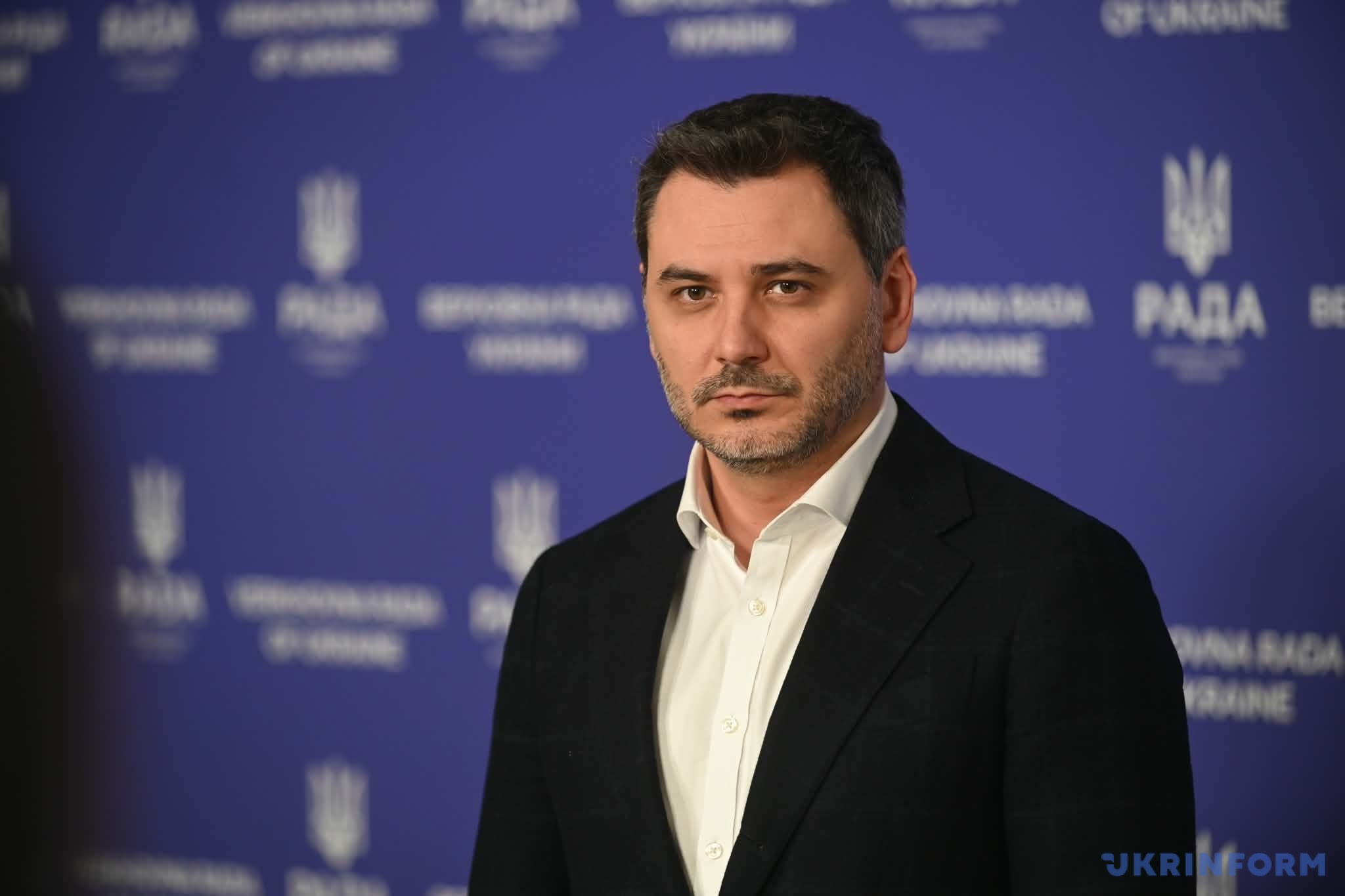
UI: What can you tell us about Volodymyr Zelensky's conversation with Donald Trump? How do you think it went?
YCh: Trump has identified the weak link in this war—and that weak link is Putin. That is why his conversation with our President was friendly and constructive. Trump wants to bring the war in Europe to an end as quickly as possible so that the United States can redirect its resources to other strategic priorities. He is now placing his bet on Ukraine.
UI: Trump described the meeting as "very positive" and supported Ukraine's right to strike Russian oil refineries, calling it "escalation for the sake of peace." What does this shift in the White House's rhetoric tell us?
YCh: Trump's change in position is the result of several factors. It reflects Ukraine's successful military operations, Russia's growing fuel crisis, and the approaching congressional elections. But the most important factor was the less-than-successful outcome of his military campaign against Iran.
First, Trump came to realize that the United States is not omnipotent and must rely on its European allies. To do so, Washington needs to help Europe resolve the Russian challenge.
Second, Trump wants to bring at least one of the two ongoing wars—to either Europe or the Persian Gulf—to an end as quickly as possible. Both conflicts tie down U.S. resources and constrain America's ability to focus on the Indo-Pacific.
So, from my perspective, Trump's shift in position is both understandable and predictable.
UI: The biggest surprise of the leaders' meeting was President Trump's announcement that the United States is prepared to grant Ukraine a license to produce missiles for the Patriot air defense system. Under the most optimistic scenario, when could the first Ukrainian-made Patriot missile become a reality?
YCh: If we move quickly to launch all the necessary processes and avoid delays in receiving critical U.S.-supplied components—such as seeker heads—we could begin production within two to three years.
UI: President Zelensky arrived at the summit against the backdrop of another wave of massive ballistic missile attacks on Kyiv, where the shortage of interceptor missiles has become critical. While licensed domestic production is a long-term prospect, was Kyiv able to secure agreements on immediate emergency deliveries of interceptor missiles?
YCh: Yes, such agreements have been reached. The emergency deliveries will consist of 10 to 20 missiles from various countries, drawn from the stockpiles they are able to provide. The situation should ease within a few months, once previously contracted interceptor missiles begin arriving.
UI: Trump said the United States is exerting strong pressure on Putin to force him to end the war. What form is that pressure taking? And what are the prospects for renewed peace negotiations?
YCh: In our situation, there are only two effective forms of pressure: increasing military and financial assistance to Ukraine, and tightening sanctions against Russia.
NATO's decision to allocate €140 billion to Ukraine for 2026–2027, together with the announced authorization for Ukraine to produce Patriot missiles, already constitutes enormous pressure.
If the United States also begins imposing additional sanctions on Russia, it would create the perfect storm for Moscow.
But Russia will only agree to negotiations when it is no longer physically capable of continuing the war—either militarily or economically.
UKRAINE WILL GROW STRONGER, WHILE RUSSIA WILL GROW WEAKER
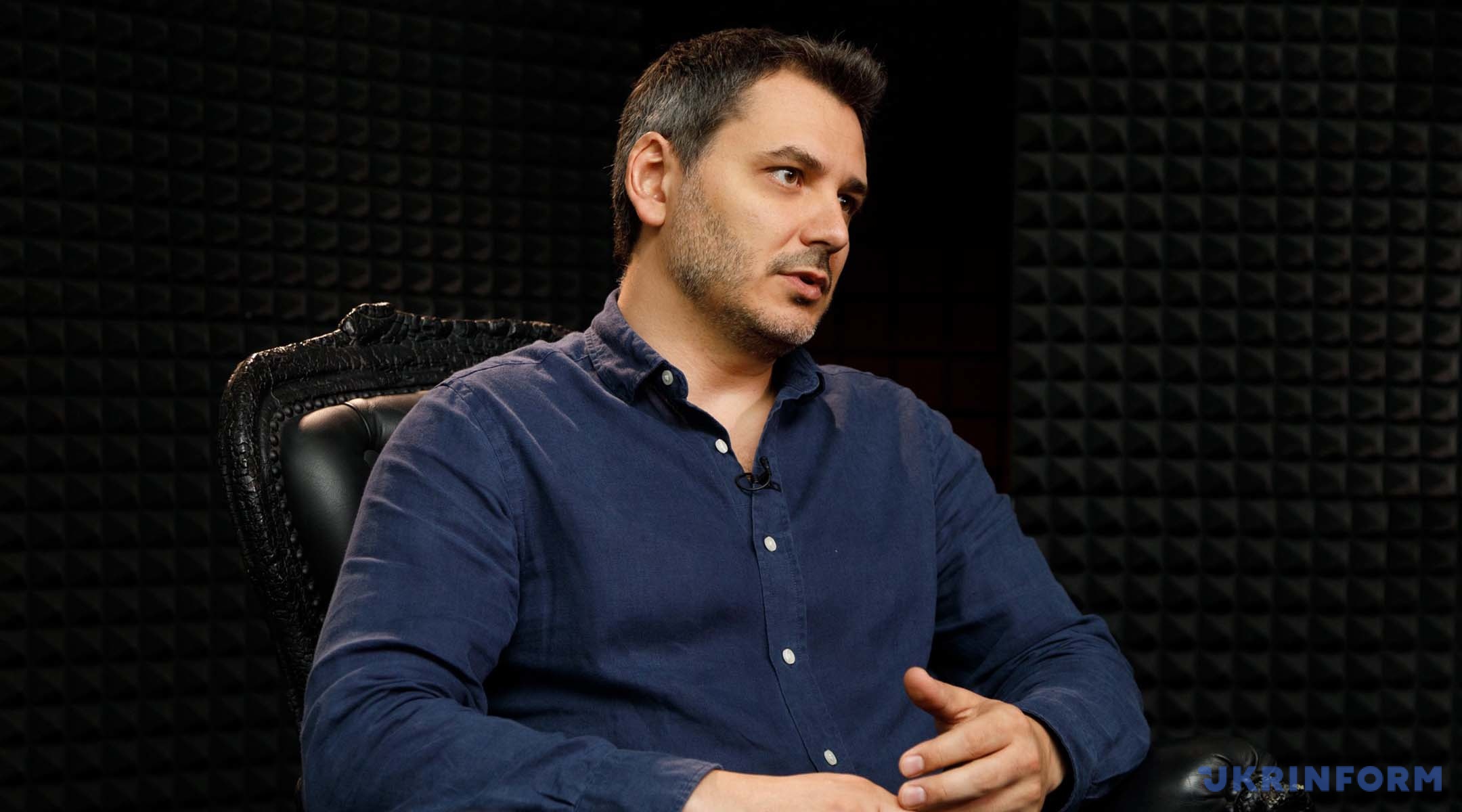
UI: Turning to China. A few days ago, Chinese Foreign Minister Wang Yi has officially invited his Ukrainian counterpart, Andrii Sybiha, to visit Beijing. What does this signal, and why is it significant?
YCh: We are approaching a turning point in the war. From here, events are likely to unfold in one of two directions: either a major escalation or a gradual transition toward peace. China, of course, is closely watching developments that affect the European markets, which are of vital importance to its economic interests. That is why Beijing wants to discuss with us the future course of the war and the prospects for bringing it to an end.
UI: Finally, what is your overall outlook through the end of the summer?
YCh: Predictions are always a risky business, but one thing can be said with confidence: the trend of the past year is set to continue. Ukraine will grow stronger, while Russia will continue to weaken. And that, in turn, will bring us closer to peace.
Myroslav Liskovych led this conversation, Kyiv
Photos by Volodymyr Tarasov and Yevhen Kotenko
| # | Наименование новости | Тональность | Информативность | Дата публикации |
|---|---|---|---|---|
| 1 | Markus Reisner, Austrian Military Expert | 0 | 8.62 | 28-07-2026 |
| 2 | Зеленский считает, что для Запада "настал момент" пригласить Украину в НАТО и ЕС | 0 | 0 | 15-04-2021 |
| 3 | Ihor Kharchenko, Ambassador, Chief Adviser to the Pylyp Orlyk Foundation | 0 | 11.13 | 27-07-2026 |
| 4 | Yvan Baker, Chair of the Canada-Ukraine Parliamentary Friendship Group | 0 | 16.67 | 30-06-2026 |
| 5 | Названа цель Зеленского на саммите НАТО | 0 | 5 | 07-07-2026 |
| 6 | Masashi Nakagome, Ambassador Extraordinary and Plenipotentiary of Japan to Ukraine | 0 | 6.94 | 21-08-2026 |
| 7 | Зеленский: Украина ожидает прояснения временной перспективы вступленя в НАТО в 2022 году | 0 | 0 | 21-12-2021 |
| 8 | Mykhailo Basarab, Reserve Major, Political Analyst | 0 | 8.46 | 31-07-2026 |
| 9 | Рябков: вопрос о вхождении Украины в НАТО имеет важное значение для РФ | 0 | 0 | 27-12-2021 |
| 10 | Грушко: НАТО следует прекратить спекулировать насчет перспектив членства Украины в альянсе | 0 | 0 | 14-04-2021 |