Просмотр новости
Найдите то, что Вас интересует
 Спутники
 РН
РН SpaceX
 Роскосмос
 NASA
NASA
СпутникиРНSpaceXРоскосмосNASAOver the past 15 years, no country has contributed more to shaping the emerging global security architecture than Ukraine
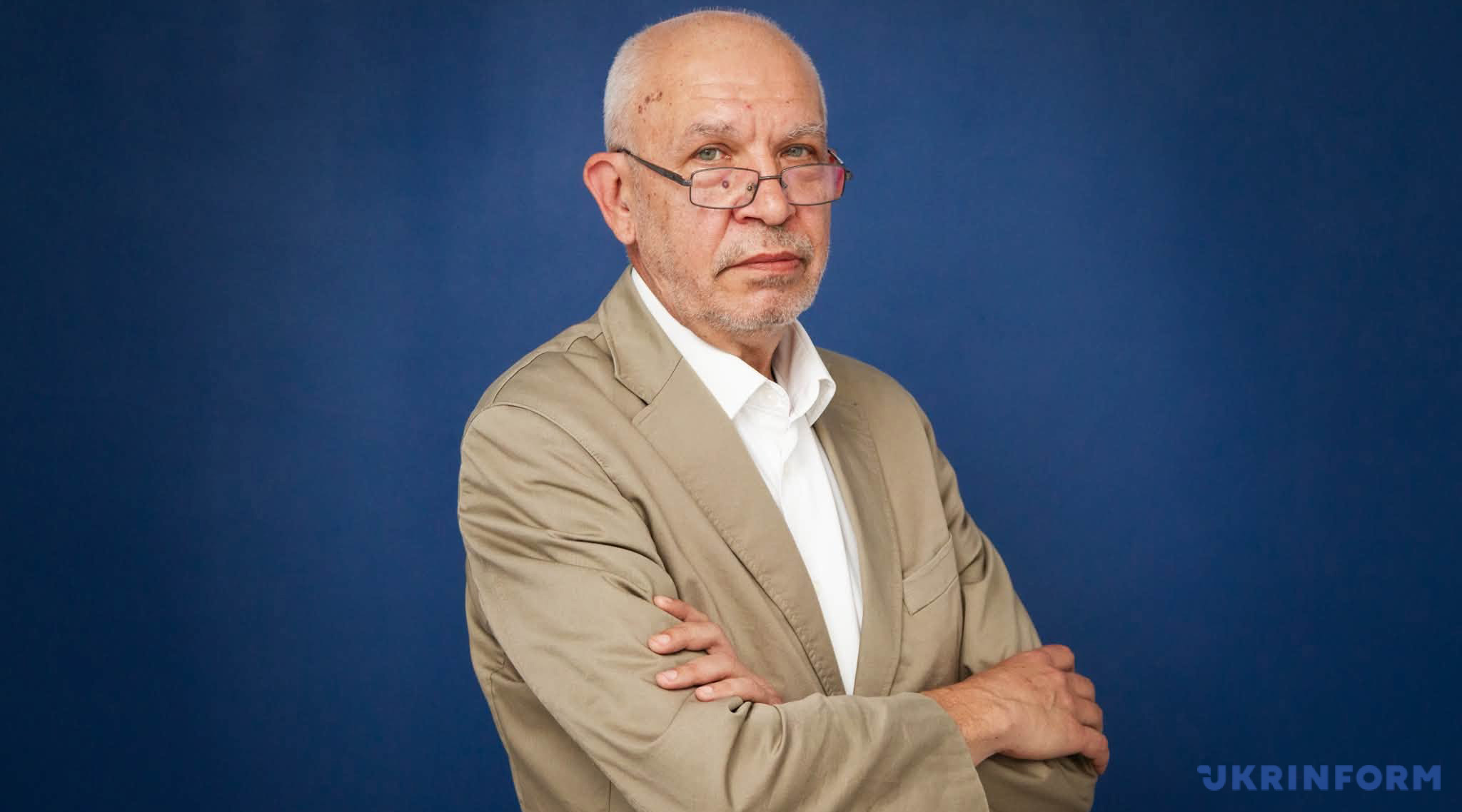
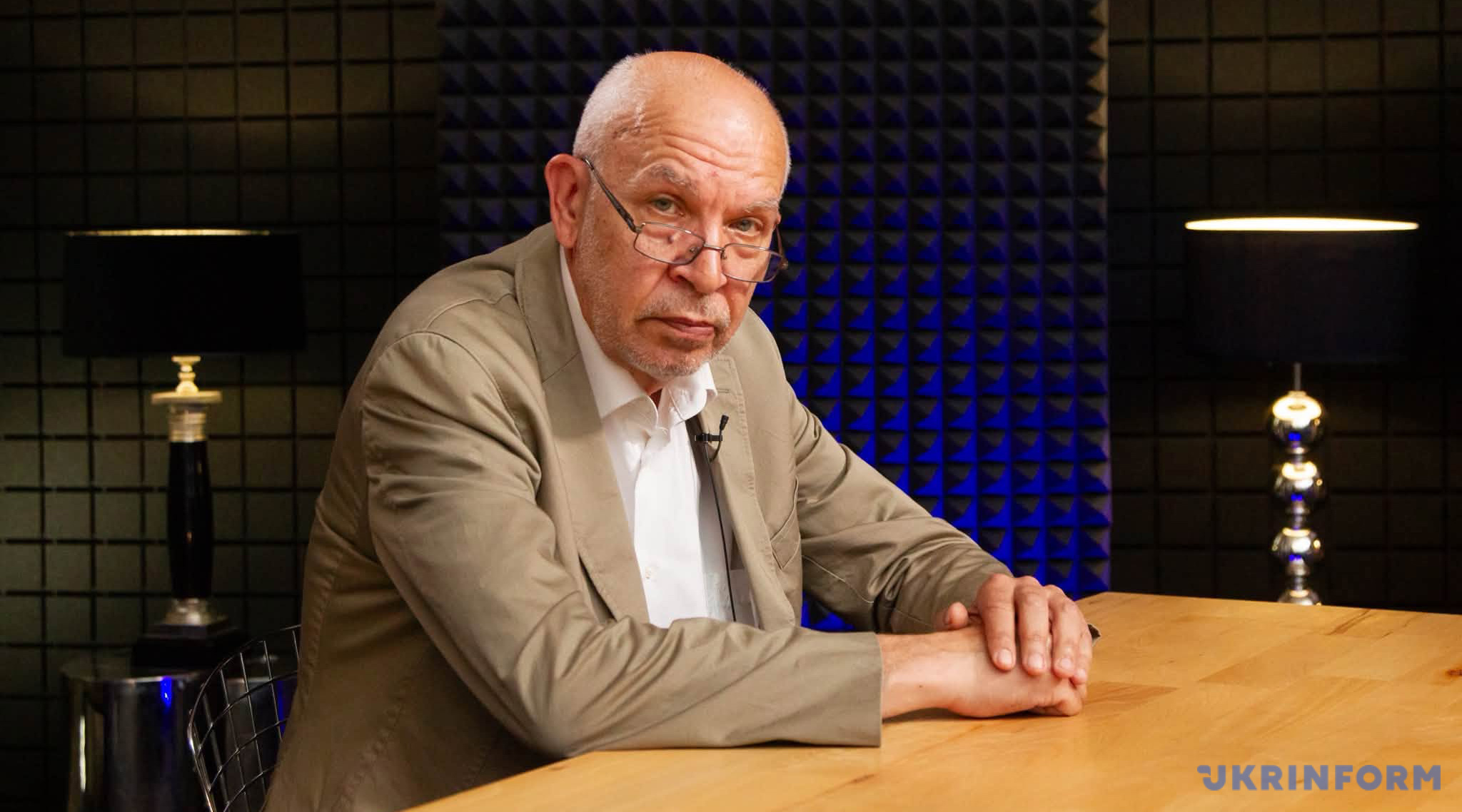
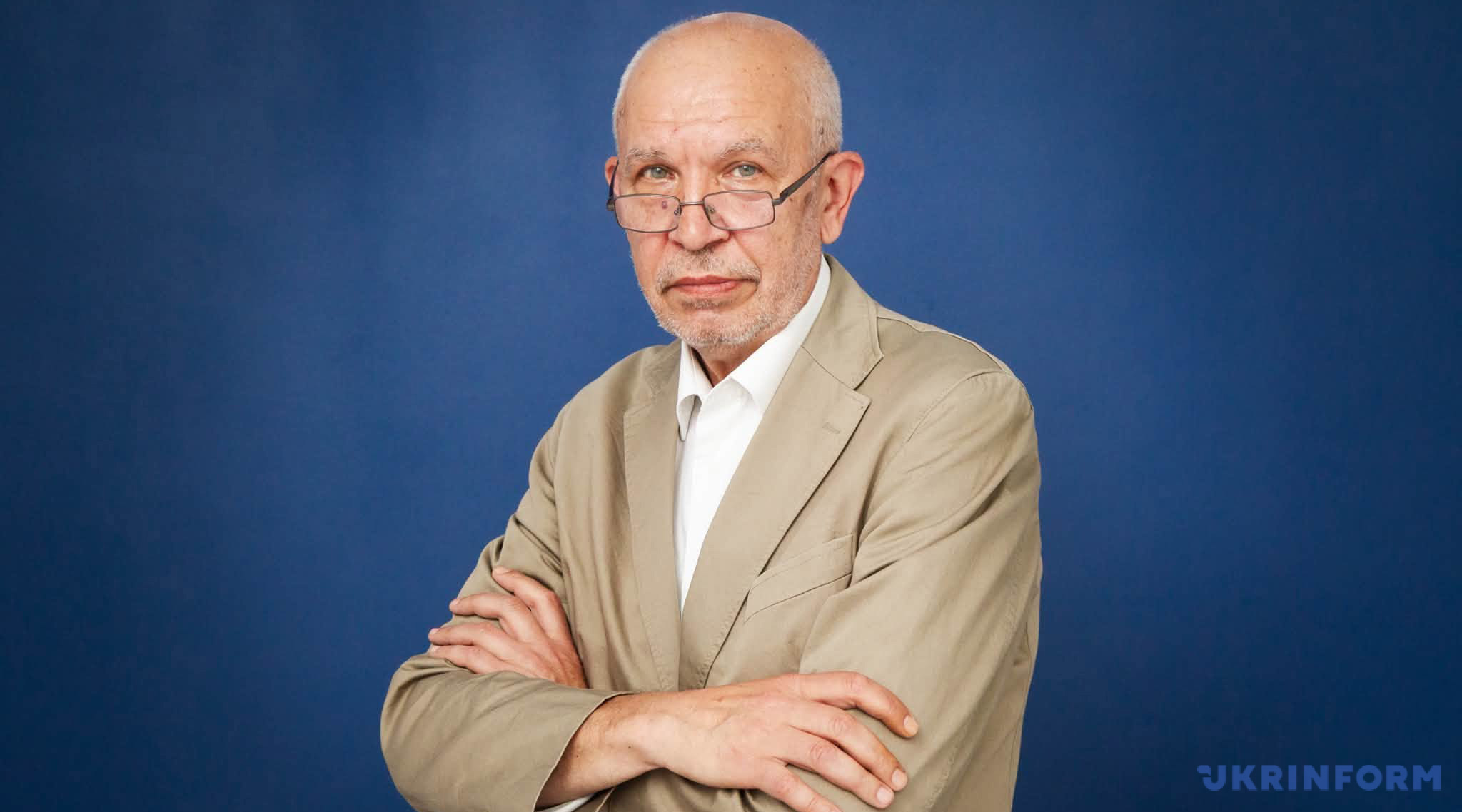
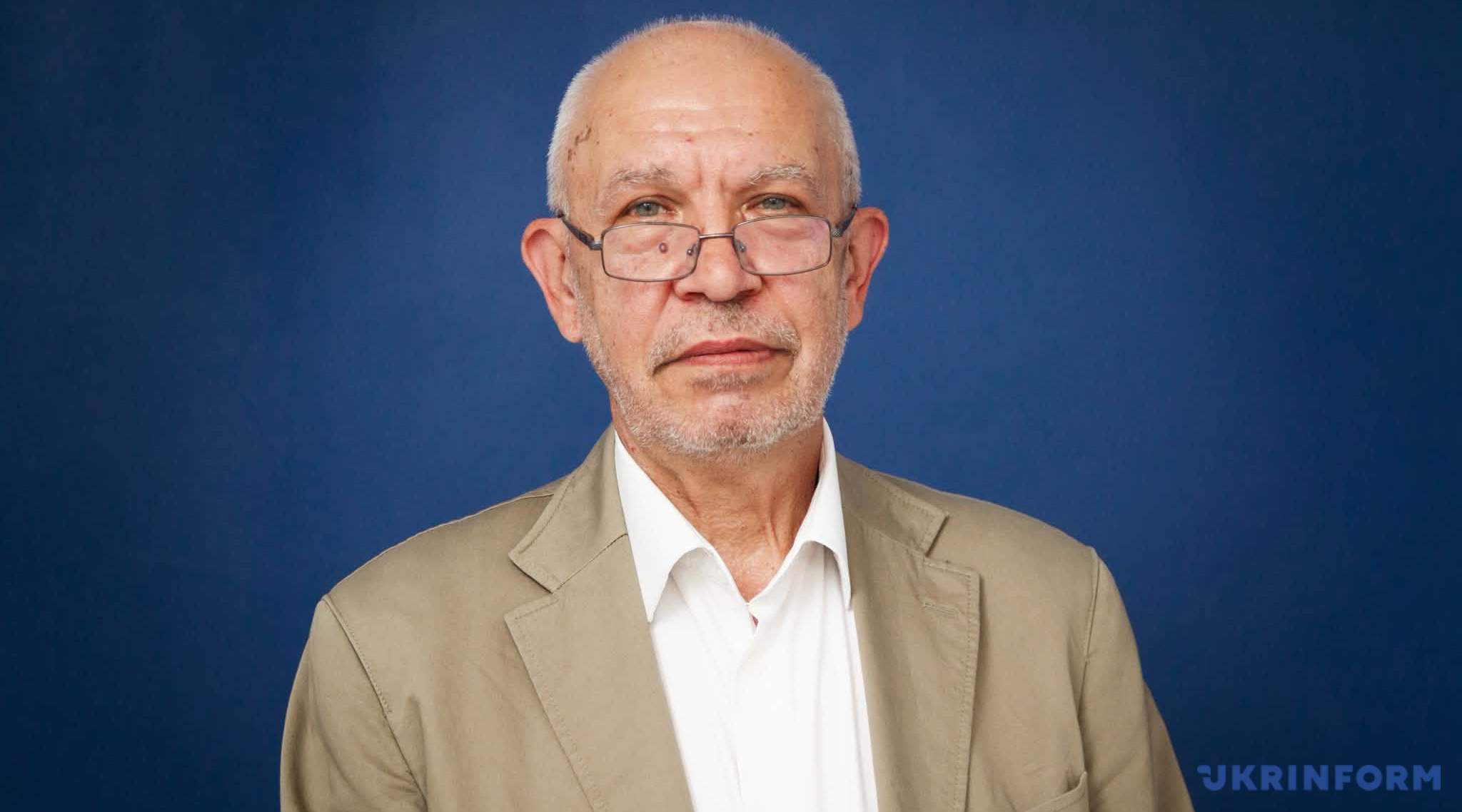
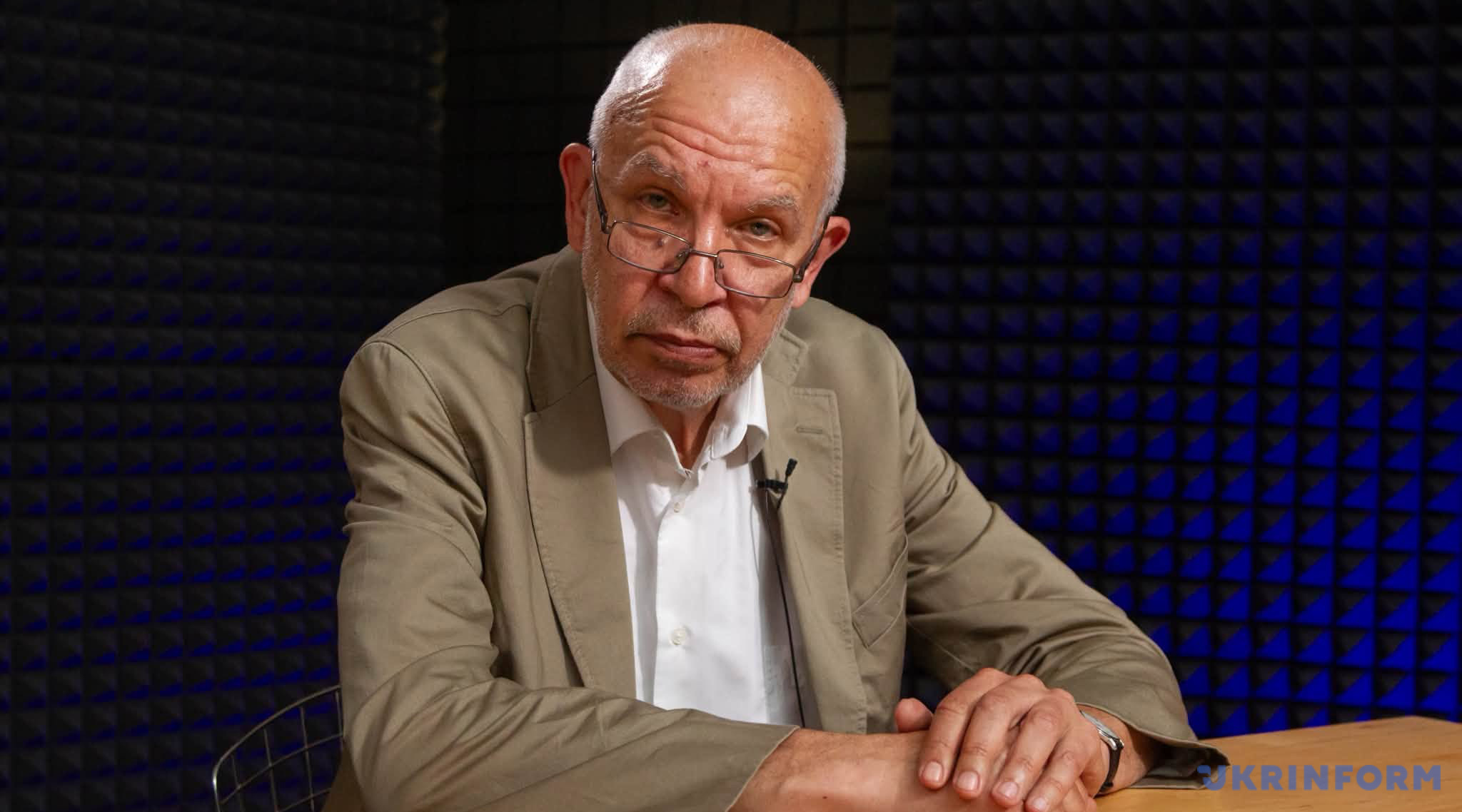
For this conversation Ukrinform invited Ambassador Extraordinary and Plenipotentiary of Ukraine Ihor Kharchenko, Chief Adviser to the Pylyp Orlyk Foundation, to discuss the evolution of Ukraine's strategic partnerships and explain why Ukraine has become indispensable to Europe's emerging security architecture.
Ambassador Kharchenko played a direct role in drafting the landmark strategic documents that have shaped both Ukraine's long-term development and its relations with its principal international partners.
Among them is "The Main Directions of Ukraine's Foreign Policy," a foundational document that outlines Ukraine's strategic objectives and explains why the country seeks special partnerships with the United States, the European Union, and NATO.
Ukrinform (UI): Before a country can move forward, it must first choose its direction. We understood this at the Ministry of Foreign Affairs from the very outset of Ukraine's independence, as we laid the foundations of the country's foreign policy. But we also needed a document that would formally define that course. At a time when Ukraine was breaking away from its Soviet past, certain foreign policy principles had already been proclaimed, yet the Verkhovna Rada still included a large number of Communist Party deputies. We therefore had to proceed very carefully. How did that process unfold?
Ihor Kharchenko (IKh): That is a fascinating and profound question. It was a unique period in history. The Soviet Union collapsed in 1991. I joined the Ministry of Foreign Affairs in 1992, and in 1993 the first Foreign Minister of the newly independent Ukraine, Anatolii Zlenko, tasked us with drafting a document defining the main directions of Ukraine's foreign policy. He believed the objectives of Ukraine's foreign policy had to be clearly articulated—not only for our fellow diplomats, but for the entire world. His intention was to submit the document to parliament for formal approval.
Speaking about this process, I must also mention two colleagues who played a crucial role: Borys Tarasiuk, who later became Foreign Minister and served as Ukraine's ambassador to several countries, and Volodymyr Vasylenko, who is sadly no longer with us. The three of us spent a great deal of time refining the document before presenting it to the Verkhovna Rada, where it was ultimately approved.
In addition to outlining the fundamental principles, norms, and priorities of Ukraine's foreign policy, the document contained one particularly important and carefully worded paragraph. It addressed the Declaration of State Sovereignty of Ukraine, adopted by the Verkhovna Rada of the Ukrainian SSR on July 16, 1990, which referred to permanent neutrality and the renunciation of various military commitments. Read closely, that paragraph opened the path—at least as we envisioned it then—to what we now call European integration and Euro-Atlantic integration. It did not mention any specific organizations by name, but it unmistakably set the strategic course Ukraine intended to follow.
UI: I began our conversation with this chapter of history, which now seems quite distant, because even then that document laid down the strategic foundations that Russia could never accept. That is precisely why it launched its aggression against Ukraine in 2014, which escalated into a full-scale invasion in February 2022. The document declared that Ukraine was returning to its civilizational roots—to Europe—and, consequently, to the European Union and NATO.
It also established that a special partnership with the United States was of fundamental importance to Ukraine, as the U.S. is the leading power of the Western world. In other words, these three strategic priorities—the European Union, NATO, and the United States—were identified as early as the beginning of the 1990s. Despite the political shifts and changes in course that Ukraine experienced over the years of independence, these priorities have remained constant. They were eventually enshrined in the Constitution of Ukraine. Russia has never accepted this strategic choice, which is why we are at war today.
Why did Ukraine need strategic partners? The answer is straightforward. Achieving long-term strategic objectives requires time, resources, and dependable allies. No country can accomplish such goals on its own, particularly when it lacks sufficient means. Ukraine found those partners in the United States, the European Union, and NATO.
Why was Ukraine already important to each of these partners—the United States, the European Union, and NATO—in the early 1990s?
IKh: Let's take them one by one. The United States is the cornerstone of what we call the transatlantic security community. America intervened in Europe twice to help save the continent from world wars fought on its own soil.
As Americans themselves often say, they committed themselves to Europe's security. In other words, they came to regard Europe's security as inseparable from their own. That is hardly surprising, given that the United States was largely built by immigrants from Europe.
In 1991, however, President George H. W. Bush, speaking before the Verkhovna Rada of Ukraine shortly before the collapse of the Soviet Union, attempted to temper what Washington saw as growing nationalist sentiment. While he did not say so explicitly, his message amounted to an appeal against the breakup of the Soviet Union.
Nor was this the first time the American understanding of European affairs had fallen short. The reason was simple: apart from Ukrainian émigré scholars and a number of Canadian historians, few in the United States had seriously studied or fully understood Ukraine as a distinct historical and political phenomenon. Once the Soviet Union collapsed, however, the United States—as a pragmatic nation committed to the principle of national self-determination—had little choice but to take a much closer interest in Ukraine.
There was another important consideration as well: Ukraine had inherited one of the world's largest nuclear arsenals.
As for the European Community, Ukraine is European in every geographical sense—its entire territory lies in Europe. We are also a European nation by virtue of our history and culture. It was therefore natural for Europe to watch developments in its eastern neighborhood closely, especially given that Eastern Europe had historically been a region of recurring instability, with borders shifting repeatedly over the centuries.
After the Helsinki Final Act of 1975, it appeared that Europe's borders had finally been settled. Then the Soviet Union collapsed. For political, security, and broader strategic reasons, the European Community had to pay close attention to the profound changes unfolding across the former Soviet space.
Our task was to explain in European capitals that Ukraine was not heading somewhere new—it was returning to where it had always belonged. We had been cut off from Europe for three centuries, and now we were simply coming home. That message resonated. It helped Europeans understand that what had emerged in Eastern Europe was not a new state but the restoration of a major European nation determined to live and develop according to European values and principles. That is why the European Community became Ukraine's natural partner.
NATO is a separate and much broader subject. Between 1992 and 1997, culminating in the signing of the Charter on a Distinctive Partnership in Madrid, an enormous amount of work was accomplished. It was precisely Ukraine's growing cooperation with NATO that provoked outrage in Moscow. The Kremlin reacted with open fury. Even some American officials initially argued that such a partnership crossed a "red line" and would be impossible. Yet it happened: the Charter was signed, and later, at the NATO Summit in Bucharest, the Alliance made the political commitment that Ukraine would become a member of NATO.
Today, unfortunately, it is precisely because that commitment was never fulfilled that NATO, the European Union, and the United States are now compelled to support Ukraine—including with military assistance—to repel Russian aggression. I am convinced that had Ukraine's path to NATO membership been completed in time, we would not be living through this war today.
UI: Unfortunately, that did not happen, and Ukraine is now fighting to defend both its independence and its future. Why was the response of our three strategic partners in 2014 relatively restrained and, evidently, insufficient to deter Russian aggression and prevent what followed in February 2022?
IKh: In 2014, the response was primarily political. The most significant and visible measure was Russia's expulsion from the Group of Seven (G7). In retrospect, Russia had been admitted on the mistaken assumption that it could eventually embrace the same values as the world's leading Western democracies.
After that, the United States and its European partners sought to resolve the crisis through negotiations. NATO, as a defensive alliance, largely monitored the situation while supporting diplomatic efforts.
This was the period of the Minsk agreements—first Minsk I, followed by Minsk II. In other words, there was a concerted effort to contain the conflict and resolve it through diplomacy rather than military confrontation.
UI: Put simply, the idea was to give up Crimea.
IKh: Crimea was seized in an attempted annexation. However, none of our partners recognized Russia's claim to the peninsula. Their refusal to acknowledge the attempted annexation was unequivocal and remained unchanged throughout. That consistency was of fundamental importance.
In my view, the so-called peace process—the Minsk agreements—did, to some extent, succeed in halting Russian aggression along the line of contact established in 2014. It should also be acknowledged that this period gave Ukraine valuable time to strengthen its Armed Forces, state institutions, and overall resilience, so that by 2022 it was far better prepared to confront a full-scale invasion.
Equally important, between 2014 and 2022 none of our partners wavered in their commitment to the fundamental principles of international law or in their assessment of Russia's actions as an act of aggression. Those positions remained consistent throughout.
In my view, that was one of the most important political achievements of those years.
UI: It is also important, when looking back at that period, not to overlook one of its root causes. President Viktor Yanukovych refused to sign the Association Agreement with the European Union. Following the Revolution of Dignity, the agreement was signed in 2014 in two stages—first its political provisions and then its economic component—under a new government, a new president, and fundamentally different political circumstances.
As a result, the status quo created by Russia's annexation of Crimea and the temporary occupation of parts of the Donetsk and Luhansk regions remained in place until 2022.
What changed in late 2021 and early 2022? Why did Putin make the fateful decision to launch a full-scale invasion at that particular moment? Had Ukraine come so close to achieving its strategic goals—membership in the European Union and NATO—that it had effectively slipped beyond Russia's control and become increasingly resistant to its influence?
IKh: I do not entirely agree that the events of 2014 were triggered solely by Yanukovych's refusal to sign the agreement with the European Union. I believe the reality was more complex. The first people to protest against that decision were young people—perhaps a thousand, or even fewer. It was a perfectly normal, peaceful demonstration of the kind one would expect in any democratic society.
The true historical turning point came when the authorities began beating students on the Maidan. Ukrainians—regardless of whether they supported the Party of Regions, were nationalists, or even communists—respond to such things very differently from Russians. We have never regarded violence against our own children as an acceptable way to resolve political disputes.
The following day, the protest was no longer a gathering of a few thousand people. Nearly half a million Ukrainians filled the Maidan. In my view, that was the decisive moment. It was then that the Kremlin realized democratic change in Ukraine had progressed so far that forcing the country back into the Soviet model would be extraordinarily difficult. One generation had already grown up in freedom, and the next responded in exactly the same way—as free people. Ukraine had become a nation of free citizens.
For Russia, however, a society of free people poses a fundamental challenge. Such a model simply does not fit within Russia's political system. In my opinion, Ukraine's internal democratic transformation demonstrated that the country's commitment to freedom was genuine and deeply rooted.
At that point, the Kremlin concluded that it could still use force because Ukraine was weak. And, to be fair, Ukraine was vulnerable in important respects. During the preceding five years, Russia had systematically undermined Ukraine's defense establishment from within through its agents and proxies.
Why the Kremlin ultimately decided that Ukraine was weak enough to invade is a question only Russia can answer. It reached that conclusion despite warnings from some Russian experts, who argued that such a war would be a grave mistake: Ukraine was a nation of roughly 40 million people, it was armed, and it would fight back. The Russian leadership appears to have assumed that Ukraine would offer little or no resistance. That may well have been Vladimir Putin's greatest strategic miscalculation when he launched the full-scale invasion in 2022.
Former British Prime Minister Boris Johnson reflects on this period in his memoir, describing how Ukraine's partners gradually reassessed the situation in 2022. He quotes one of the world's leading security experts, whose conclusion Johnson explicitly endorses: launching a full-scale war against Ukraine was the greatest strategic mistake of Putin's entire time in power.
UI: From the beginning of the full-scale invasion to mid-2026, not only have the situation on the battlefield and the capabilities of the warring parties changed, but so have our strategic partners. The United States has changed—not only because Donald Trump returned to the presidency. The European Union has changed—not only because it is becoming a more autonomous geopolitical actor. NATO has also changed. Faced with unprecedented challenges—again, in part because of President Trump—the Alliance is now prompting discussions about a "NATO 3.0," a fundamentally different NATO. Our strategic partners have changed. Does that work to Ukraine's advantage?
IKh: As Ukrainians, we cannot help but feel that much of this could have been avoided if, as Europeans themselves sometimes put it, there had been a little more "iron resolve" at the right time and in the right places. That did not happen. Perhaps we, as diplomats and politicians, also fell short—we failed to convince our partners completely. As a result, Ukraine is paying the price today. But responsibility for these mistakes does not rest with Ukraine alone. Much of it also lies with our Western partners, who eventually recognized the scale of the threat—but only after valuable time had been lost.
Today, I believe Europe—not just the European Union, but Europe as a whole—is Ukraine's most important strategic partner. Geographically, Europe is the smallest continent, yet it possesses one of the richest and longest historical experiences.
Now this relatively small continent finds itself facing the largest armed conflict on its soil since the Second World War. It is a devastating war fought with virtually every modern means of warfare except nuclear weapons. And it is taking place on the doorstep of a Europe that had grown accustomed to peace and prosperity—a Europe preoccupied with Eurovision, football, and everyday life, where the war had not yet been felt directly.
I believe that in early 2025, after hearing the messages delivered by American officials at the Munich Security Conference, European leaders realized they would increasingly have to take responsibility for their own defense. Europe was not ready for that at the time, but I believe it is becoming ready now. We have seen clear evidence of that over the past several months.
In my view, every major decision Europe has taken to strengthen its defense capabilities has been a step in the right direction. Moreover, it is now impossible to imagine that process without Ukraine. I think European leaders have already reached that conclusion, although many are still reluctant to say it openly.
Some, however, have begun to do so. Headlines increasingly acknowledge that the experience gained by Ukraine—its Armed Forces and defense industry—in what is arguably the most technologically advanced war in history is of immeasurable value to every European country, whether or not it belongs to NATO.
That experience is so valuable that it cannot be measured in millions or even trillions of dollars. It is Ukraine's contribution to European security—a contribution unlike any made by a NATO member before.
UI: The NATO Summit Declaration adopted in Ankara explicitly states that Ukraine is a contributor to security. The European Union has reached the same conclusion as it expands its defense industrial base with Ukraine's capabilities in mind. In other words, it is no longer possible to envision Europe's future security architecture without Ukraine. Quite simply, it would not exist. Ukraine is already carrying out one of NATO's core missions: deterring Russia.
What should this new European security architecture, now taking shape, ultimately look like?
IKh: We will see where this process is heading once the foremost task shared by all our partners has been accomplished. That task is to repel the aggression and hold the aggressor accountable. It is the overriding priority, and there is no alternative to it.
I am convinced that Ukraine's voice will carry considerable weight in shaping Europe's future security architecture. In my view, no country has contributed more to the emerging global security architecture over the past fifteen years than Ukraine.
I am not particularly fond of the term "security guarantees," because, strictly speaking, such guarantees do not exist. Even Article 5 of the North Atlantic Treaty can be regarded as a security guarantee only in a political sense.
The only real guarantee of security is overwhelming military strength—or even the credible threat of its use. That is why Volodymyr Horbulin recently argued that Ukraine should at least consider this issue. We need to think about it because, in principle, we have the capability. Whether pursuing such a course would ultimately strengthen global security is a much broader question. But that is a matter of international security as a whole, and Ukraine has already made an immense contribution to it. Looking back, we can now see that one of our earlier decisions proved to be a mistake.
I will continue to insist that the West must be willing to acknowledge its own mistakes. Many years later, Western leaders finally admitted they had been wrong about the "Chicken Kyiv" speech. Today, they also understand that mistakes were made, even if they are not yet prepared to say so publicly. Instead, they continue to support Ukraine with financial assistance and military aid.
Let them continue doing so because, if we are honest, the only real guarantee of security in Europe today is the Armed Forces of Ukraine.
UI: To sum up our discussion, I would like to highlight a few key points. The first is this: a ceasefire—or even the cessation of active hostilities—will not alter the balance of power in Europe, eliminate the threat of future aggression, or bring the arms race to an end.
IKh: I don't particularly like the phrase "the end of the war." Wars end either in victory or in defeat. Simply declaring that the war has ended changes nothing. Nothing will fundamentally change until the aggressor has been driven back to where it came from and those responsible for launching the aggression have been held accountable. Only then will it make sense to sit down and discuss whether Europe needs a new security architecture—and, if so, what form it should take.
UI: Our mutual acquaintance, the British expert James Sherr, once put it this way: "Realistically speaking, first, there will be no peace agreement. Second, Russia will never willingly agree to anything—but it will ultimately accept what it has no choice but to accept, as it always has."
IKh: Several years ago, in one of my interviews, I referred to the Anglo-American conference in Casablanca in 1943, where Winston Churchill and Franklin D. Roosevelt met. Journalists famously dubbed it the "Unconditional Surrender Conference." It was there that the two leading powers of the Allied coalition clearly defined their objective: the unconditional surrender of the Nazi regime.
Our partners need to adopt the same clarity of purpose today. The regime that unleashed this war must ultimately be held accountable, but first it must be defeated. That regime has to be dismantled. Quite simply, there is no one within it with whom meaningful negotiations are possible. It chose to speak the language of force, and force is the only language it understands.
UI: That is difficult to disagree with, although we cannot bring about such an outcome overnight. All we can do is continue to think about it, speak about it, and act wherever we have the ability to do so.
My second point is this. The role of the United States in world affairs will be different from now on—even after Donald Trump leaves office. And for Europe, America's role will never again be what it was in the decades following the Second World War. As James Sherr also observed, "We must stop clinging to the United States."
IKh: I agree with James. Our views often coincide.
Future American administrations will have to invest considerable effort in restoring the international credibility that has been eroded during this administration.
Europe, meanwhile, has once again been given an opportunity to become a genuine geopolitical actor in its own right. Politically, it now has a chance to achieve true strategic autonomy, and European leaders understand this.
UI: But for Europe to establish itself as a genuine geopolitical power, it needs Ukraine. That is the first point. The second is that Europe itself must change. As long as its decision-making remains constrained by a consensus mechanism that prevents it from projecting its political will and strategic power, it will have to reform that system—or find another way forward. Otherwise, Europe risks losing far more than it realizes.
IKh: Europe has been declared dead before. Even Oswald Spengler predicted the decline of Europe. But it is far too early to bury it. We have our own ideas about how Europe can be strengthened, but before anything else, we must accomplish the primary task: defeat the aggressor and hold it accountable.
UI: NATO 3.0, the relationship between NATO and Europe, and between NATO and the European Union will all require an entirely new model of cooperation. When it comes to defense and security, NATO and the European Union draw on essentially the same pool of forces and capabilities. What is needed now is a new framework that defines how those resources should be organized, coordinated, and employed. At present, such a framework does not yet exist.
IKh: There was once the Western European Union, a European defense alliance whose functions were later absorbed by NATO. From my own experience, I can say that the weakest component of the European Union has always been what was known as the Common Foreign and Security Policy. Today's circumstances, however, are fundamentally different.
Europe can no longer rely on an unquestioned American security umbrella. The future direction of the United States has become far less predictable. As a result, Europe is beginning to think and act as it should in a moment of strategic crisis—and, in my view, it is moving in the right direction.
Yes, European bureaucracy is slow—perhaps the slowest bureaucracy in the world. But today it is moving as quickly as it is capable of moving.
To Ukrainians, that pace still seems slow because we have been living under the pressures of war, making critical decisions at an entirely different tempo every single day. Nevertheless, Europe is moving in the right direction.
Europe has enough historical experience to understand that if it fails to remain united and fails to support Ukraine now, the consequences will extend far beyond Ukraine itself. It faces an increasingly unpredictable United States, a rising and equally uncertain China, and the growing influence of the Global South. Europe must think carefully and make the right strategic choices.
In my opinion, it has already begun to do so. Naturally, we would all like to see it move faster.
UI: So we come to our final—and perhaps most important—conclusion: everything now revolves around one central element—Ukraine. Whether it is the United States shifting a greater share of responsibility for European security onto Europe, the European Union becoming a more capable geopolitical actor, or NATO rediscovering that it is fundamentally a military-political alliance rather than merely a political organization, all of these developments ultimately depend on Ukraine.
IKh: I agree. After we signed the NATO–Ukraine Charter on a Distinctive Partnership in Madrid, one of my American colleagues at the Pentagon, Sherman Garnett, published a book entitled A Keystone in the Arch.
In that book, he explains in very clear terms why Ukraine is a country of critical importance to the entire architecture of transatlantic security in Europe. He wrote those words in the last century, demonstrating that the underlying geopolitical realities have not changed. What has changed is that we are now paying the price for poor geopolitical decisions—for decisions that were never taken when they should have been. Today, Ukraine is paying that price, while Europe and the United States are learning from it.
America has always admired winners. Following this summer's increasingly successful campaign of long-range strikes deep inside Russia—strikes that produced what many observers described as "mushroom clouds" over military targets—and amid a growing number of assessments by military analysts, including American officers, that Ukraine may be gaining the strategic initiative, the political mood in Washington could begin to shift. As has often happened throughout American history, a U.S. administration may ultimately align itself with the side it believes is prevailing. The British have traditionally sought to support the weaker side to preserve the balance of power; Americans have tended to think differently.
UI: There are already signs that such a shift may be underway: discussions about licensing additional Patriot air defense systems, the sanctions bill introduced in Congress by Senator Lindsey Graham, and a growing recognition that there may be no viable alternative to continuing—and strengthening—support for Ukraine.
Let us hope that the issues we have discussed today are clear not only to our readers but also to the political leaders who are now deciding what additional assistance Ukraine requires—and how best to provide it.
Ihor Dolhov led this conversation
Photos by Kyrylo Chubotin / Ukrinform
Watch the conversation in full on Ukrinform's YouTube channel
| # | Наименование новости | Тональность | Информативность | Дата публикации |
|---|---|---|---|---|
| 1 | Yehor Cherniev, Head of the Ukrainian Delegation to the NATO Parliamentary Assembly | 0 | 8.19 | 04-08-2026 |
| 2 | Oleksandr Motsyk, Former Ambassador of Ukraine to the United States | 0 | 10 | 17-08-2026 |
| 3 | Ukraine becomes key 'exporter of instability' in Middle East — Russian diplomat | 0 | 8.1 | 24-08-2026 |
| 4 | Volodymyr Bachynskyi, Ambassador of Ukraine to Bosnia and Herzegovina | 0 | 8.92 | 14-08-2026 |
| 5 | На Украине подвели итоги саммита НАТО в Анкаре | 6 | 7 | 10-07-2026 |
| 6 | Masashi Nakagome, Ambassador Extraordinary and Plenipotentiary of Japan to Ukraine | 0 | 6.94 | 21-08-2026 |
| 7 | Mark Norman, Former Vice Chief of the Defence Staff of the Canadian Armed Forces | 0 | 7.74 | 22-08-2026 |
| 8 | Генсек НАТО: суверенная и стабильная Украина играет ключевую роль для безопасности альяса | 0 | 0 | 14-03-2019 |
| 9 | Грушко: действия Европы исключают ее конструктивный вклад в урегулирование на Украине | 0 | 0 | 19-02-2026 |
| 10 | Khrystyna Rachytska, designer and collector of embroidered shirts (vyshyvankas) | 0 | 5.76 | 01-07-2026 |