Просмотр новости
Найдите то, что Вас интересует
 Спутники
 РН
РН SpaceX
 Роскосмос
 NASA
NASA
СпутникиРНSpaceXРоскосмосNASASamsung SDS's proposed overhaul of its human resources system, including changes to its Performance Incentive (PI) bonus program introduced last month, has been rejected in an employee vote.Samsung SDS said on July 8 that the proposal failed to secure approval from a majority of employees, a prerequ
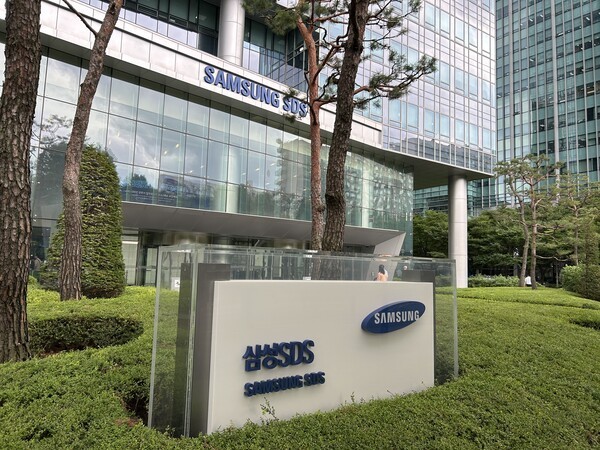
Samsung SDS's proposed overhaul of its human resources system, including changes to its Performance Incentive (PI) bonus program introduced last month, has been rejected in an employee vote.
Samsung SDS said on July 8 that the proposal failed to secure approval from a majority of employees, a prerequisite for implementation, and that the company had decided not to proceed with the HR reform plan.
A total of 55.6% of employees participated in the vote, with 71.9% of voters supporting the proposal. However, support amounted to only 40% of the total workforce, falling short of the majority threshold the company had previously set for implementation. As a result, the plan has been scrapped.
The proposal would have replaced cash PI payments with company shares. Samsung SDS introduced the plan after the Supreme Court of Korea ruled in January that PI payments should be treated as wages included in retirement benefit calculations in a lawsuit brought by employees of Samsung Electronics. The company said the change was intended to reduce related legal risks.
President and CEO Junehee Lee and other executives held internal briefing sessions and issued company-wide notices late last month to explain the proposal, but employees continued to voice opposition.
The vote, originally scheduled to conclude on June 29, was extended until midnight on July 7 after employee objections emerged during the voting process. Opposition also intensified following the launch of the Samsung SDS chapter of the Samsung Group Cross-Enterprise Union, which secured majority union status within two days of its establishment. The proposal was ultimately voted down.
Under the proposed system, performance bonuses would have been paid in company shares instead of cash. Although Samsung SDS argued that the revised formula, funded at 20% of annual salary and incorporating additional performance factors, would increase overall payouts, many employees opposed linking compensation to factors such as the company's share price and external performance indicators.