Просмотр новости
Найдите то, что Вас интересует
 Спутники
 РН
РН SpaceX
 Роскосмос
 NASA
NASA
СпутникиРНSpaceXРоскосмосNASALAPost/Aliso Viejo, CA (October 4, 2026)...
LAPost/Aliso Viejo, CA (October 4, 2026) By: Richard Ren/LAPost
Contemporary Chinese art is finding increasingly diverse ways to enter the American cultural landscape.
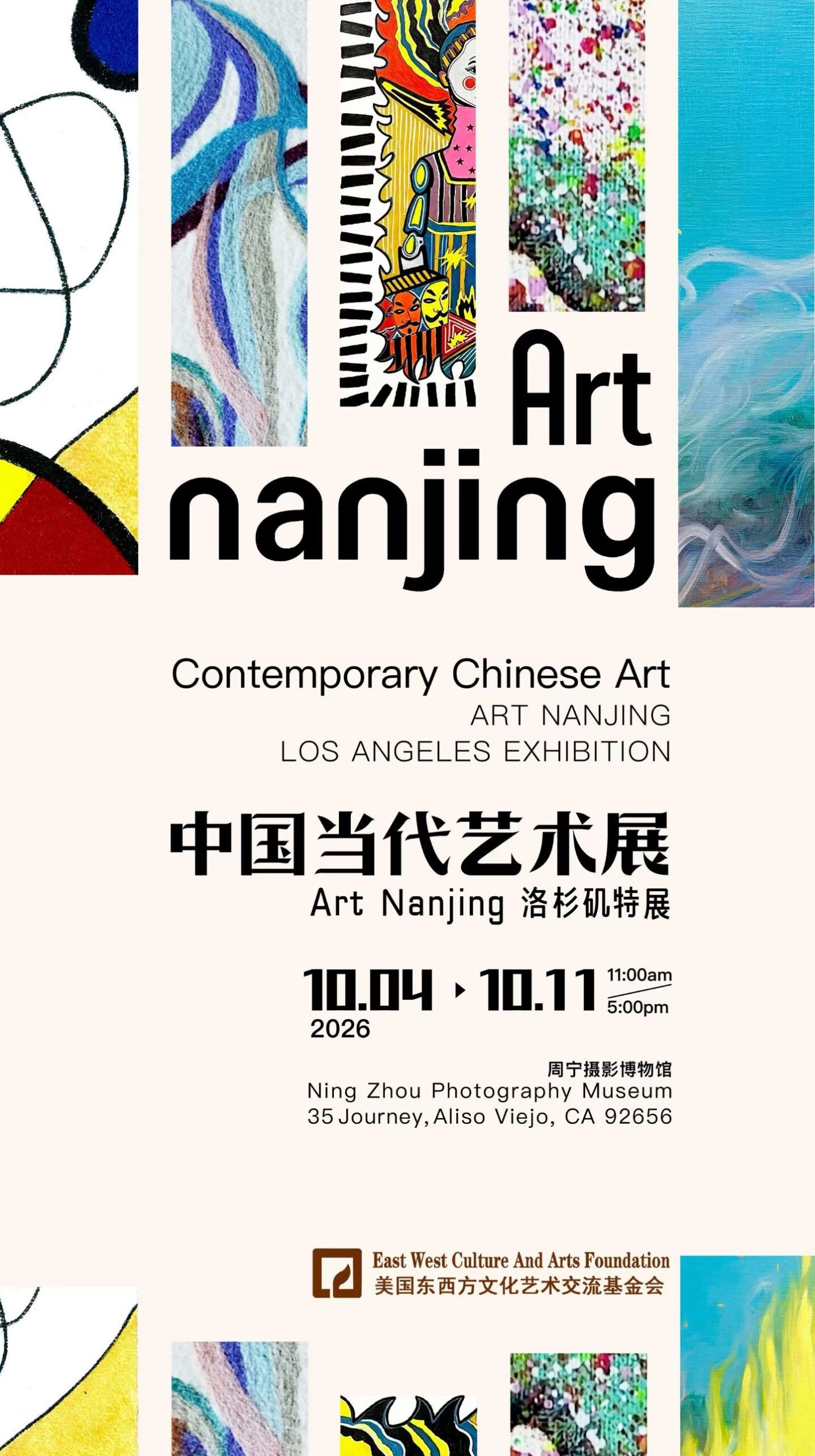
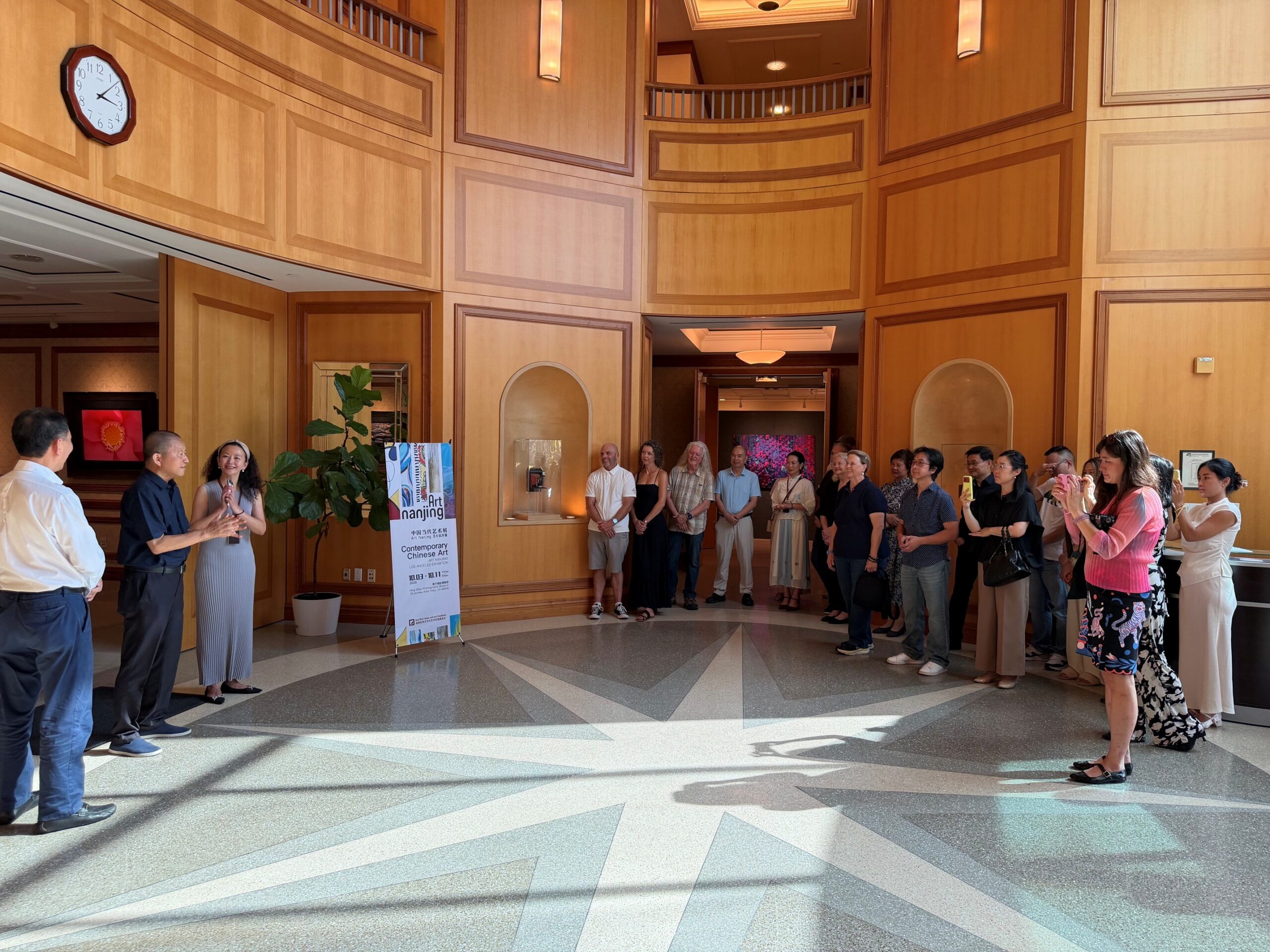
On October 4, the Contemporary Chinese Art — ART NANJING Los Angeles Exhibition, presented by the U.S.-China East-West Cultural and Arts Exchange Foundation, opened at the Zhou Ning Photography Museum. The exhibition brings together works by artists from Nanjing and other parts of China, placing ink painting, oil painting, photography and other artistic media within the same space and offering Los Angeles audiences an opportunity to explore the breadth of contemporary Chinese artistic expression.
The exhibition will be open to the public through October 11.
Rather than simply presenting Chinese artworks to an overseas audience, the exhibition can be seen as an exploration of how art can create new ways of seeing and communicating. The participating artists bring not only familiar elements of Eastern visual culture, but also their individual interpretations of cities, architecture, nature, memory and personal experience.
Inside the gallery, the artists’ visual languages are notably diverse. The negative space of traditional ink painting, the color and texture of oil painting, fragments of reality captured through photography, and works with strong graphic and design elements come together to create a contemporary Chinese art landscape that resists a single definition.
That diversity is among the exhibition’s greatest strengths.
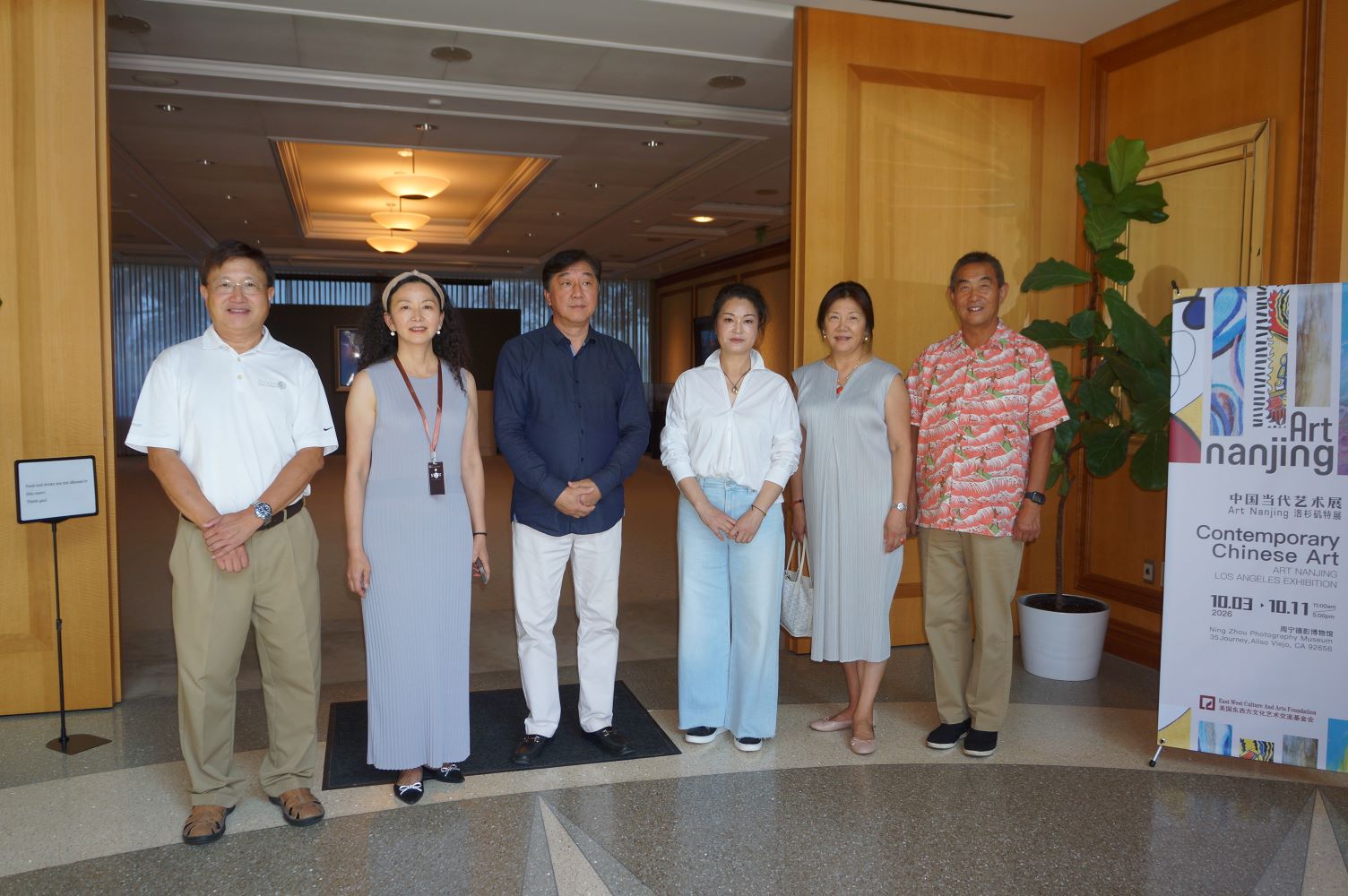
(Photo by: Richard Ren/LAPost)
Lisa Li, secretary-general of the U.S.-China East-West Cultural and Arts Exchange Foundation, said some of the works on display were selected from artists who have participated in Art Nanjing, an international art exhibition that has been held in Nanjing for several editions.
Bringing a selection of those works to Los Angeles, she said, is intended to give American audiences, artists and collectors an opportunity to encounter the work directly and better understand the ideas and creative processes behind contemporary Chinese art.
“This is not only an exhibition of artworks, but also an exchange that crosses geographic and cultural boundaries,” Li said.
Since its founding in 2012, the foundation has sought to create platforms for artists, scholars and art enthusiasts from East and West to exchange ideas and engage in dialogue, Li said. The Los Angeles exhibition represents a continuation of that mission.
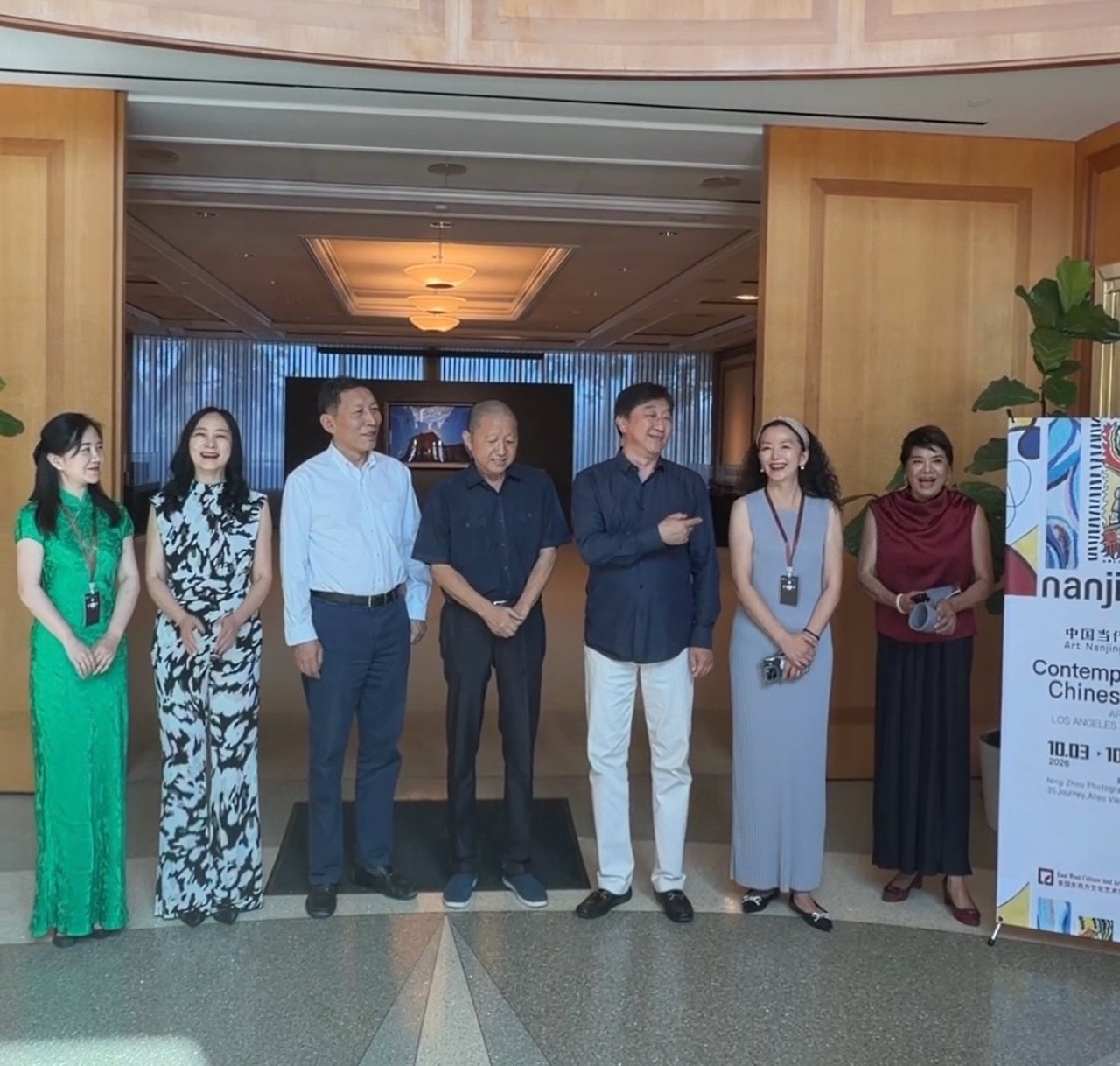
On October 3, the foundation hosted a preview for its members
On October 3, the foundation hosted a preview for its members, giving them an opportunity to view the works ahead of the public opening and engage with the artists and organizers.
From Nanjing to Los Angeles: Art Is More Than Something to Be DisplayedFor the participating artists, bringing their work across the Pacific also means entering into a new conversation with audiences.
Nanjing-based painter Li Fei said at the opening that art, for her, is first and foremost a source of happiness and a continuing process of discovering herself.
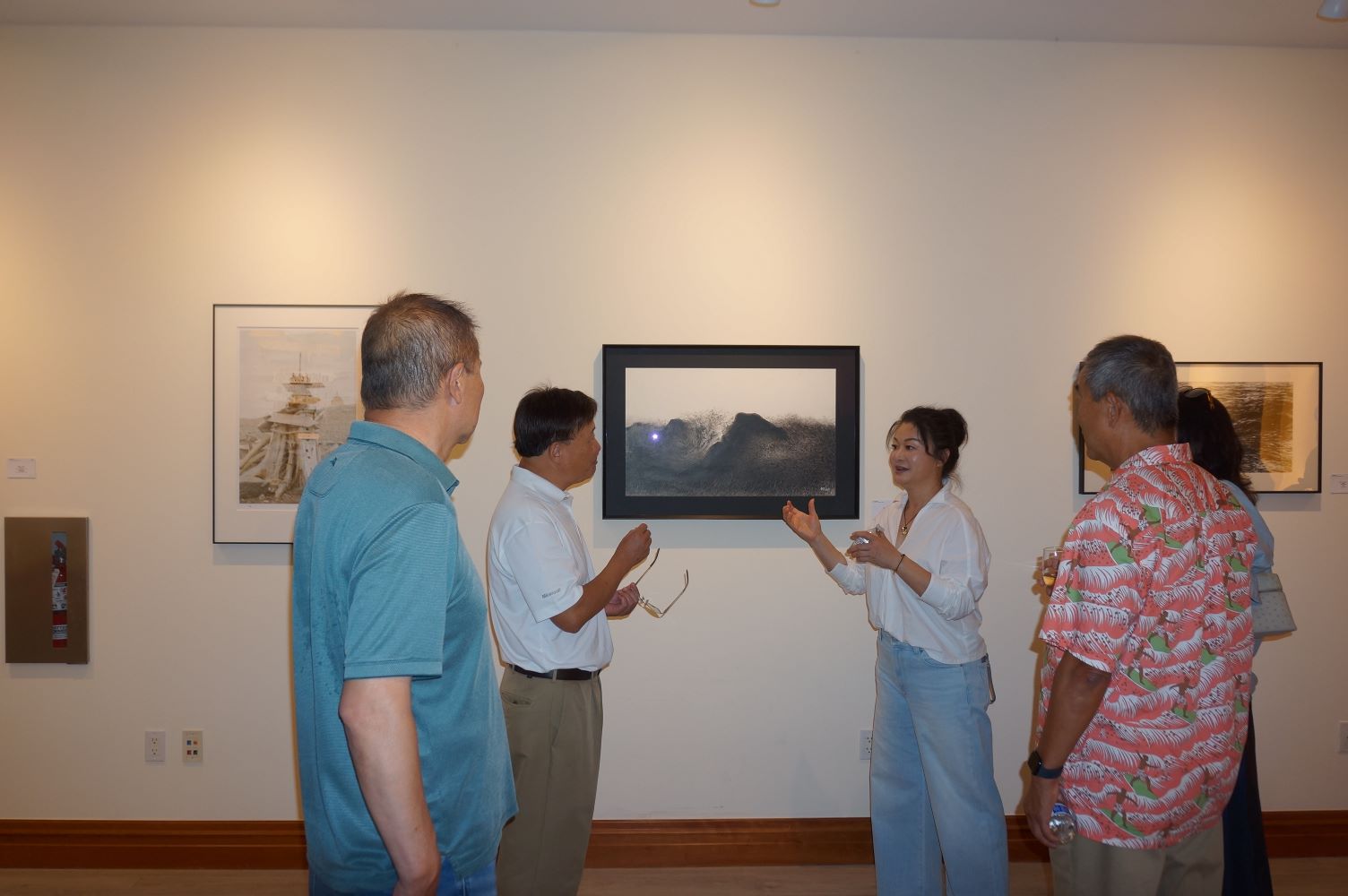
Fei Li (Middle)(Photo by: Richard Ren/LAPost)
She spoke particularly about the experience of working in ink painting, which she described as both ancient and possessing a mysterious, continually renewing force. Rather than imposing a single interpretation on viewers, she hopes her paintings leave enough space for each person to bring his or her own experience and emotions into the work.
“I don’t want to define it,” she said. “I want to leave space for people to see the work through their own feelings.”
That openness is also one of the defining qualities of the exhibition. The works do not necessarily seek to explain themselves immediately.
Some establish visual order through composition, lines and negative space. Others use color, light, shadow and unfamiliar scenes to create a sense of distance and curiosity. They reward viewers who pause before the work and allow themselves time to enter the artist’s visual world.
“Graphic, Stark and Unique”: A Los Angeles Perspective on Chinese ArtThat visual openness also caught the attention of members of the Los Angeles arts community.
Mark K. Kaufman, publisher of Local Arts magazine, said he was particularly intrigued by works by artist Cui Yun, whose reinterpretation of familiar cultural imagery, including references to Beijing’s Forbidden City, offered him a fresh perspective.
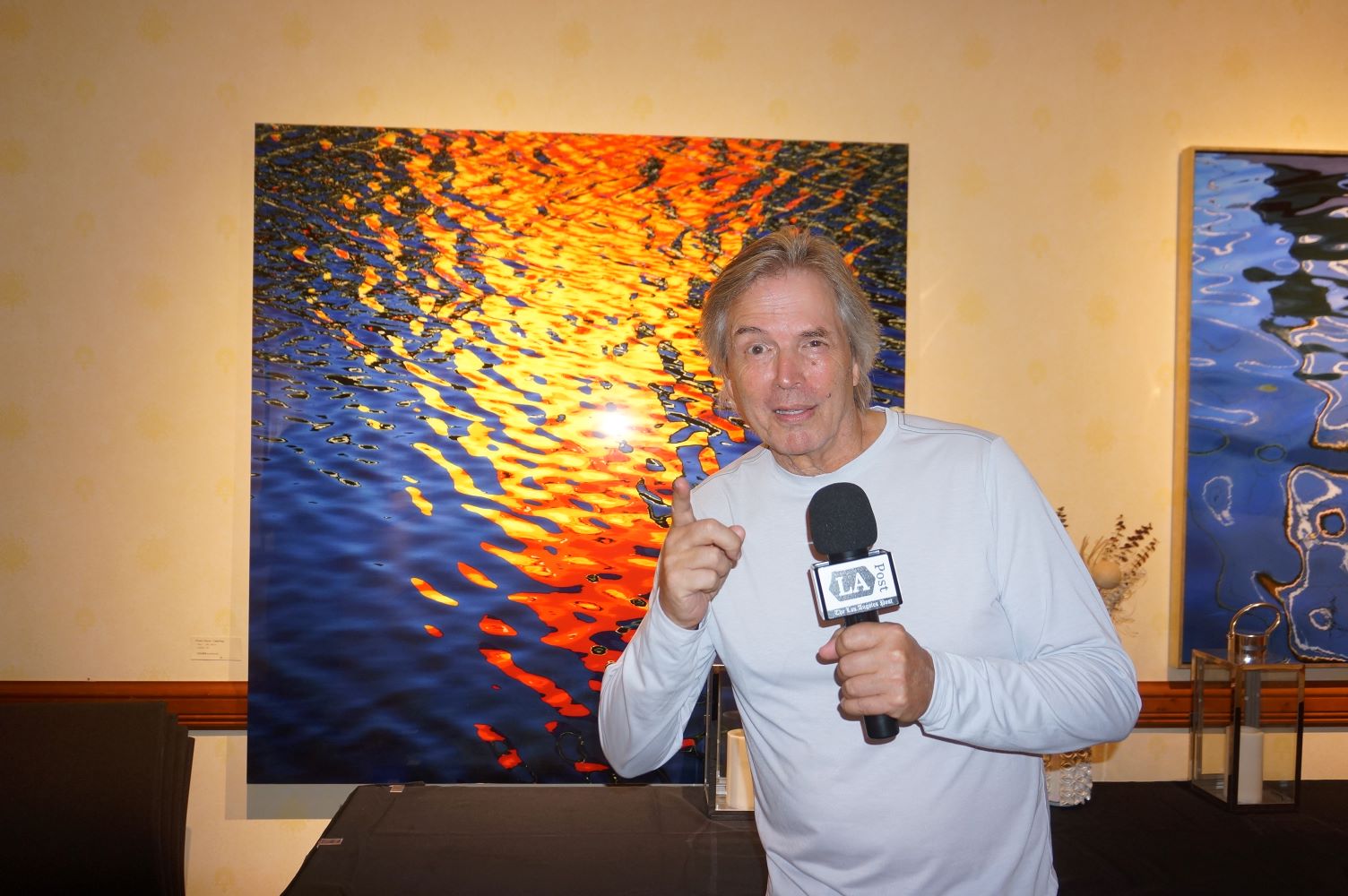
Mark K. Kaufman(Photo by: Richard Ren/LAPost)
He noted the way seemingly unrelated visual elements were brought together within the same composition, describing the works as “graphic, stark and unique.”
His reaction points to one of the exhibition’s strengths: the works do not simply present “Chinese contemporary art” as a readily identifiable cultural category.
Instead, many of the artists retain visual connections to Eastern culture while employing contemporary approaches to composition, medium and presentation.
While viewing another artist’s work, Kaufman also focused on the relationship between architecture, light and imagery. He suggested that works of this kind could potentially explore different presentation formats, including high-quality photographic and fine-art pigment prints, while maintaining the artist’s visual character and reaching a broader audience.
For Kaufman, maintaining the authenticity of the artist’s visual expression is essential. Technology and new forms of distribution, he suggested, can then help that expression reach a wider public.
Zhou Ning: Building a Platform for Cultural ExchangeThe choice of the Zhou Ning Photography Museum as the exhibition venue adds another layer of meaning to the event.
Zhou Ning, chairman of the U.S.-China East-West Cultural and Arts Exchange Foundation and a noted photographer, has spent years working between China and the United States in photography and cultural exchange.
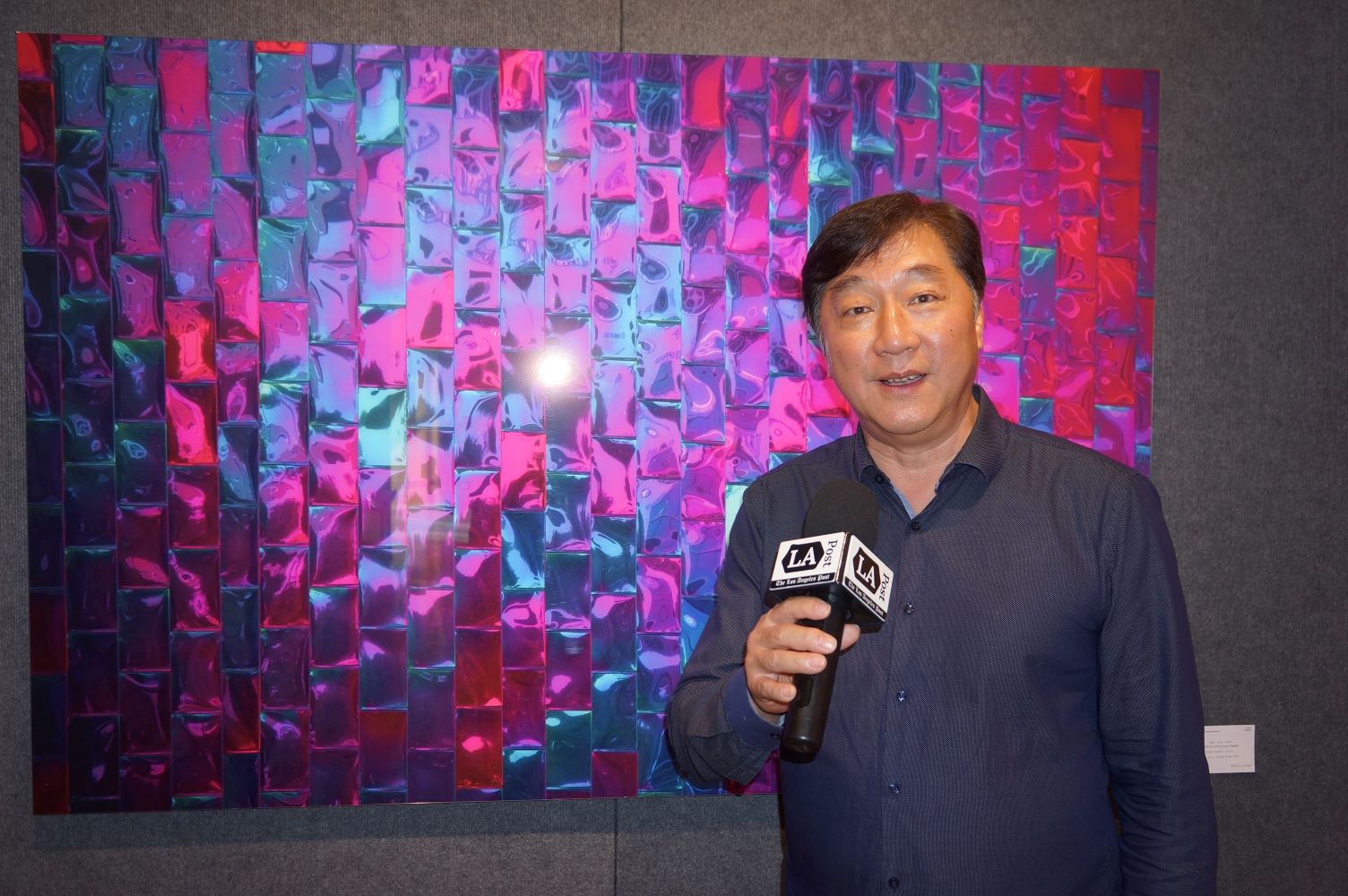
Zhou Ning(Photo by: Richard Ren/LAPost)
One of his central goals, he said, has been to create new platforms through which artists can exhibit their work, meet audiences and exchange ideas.
The museum houses a substantial collection of historic cameras and photographs, including pieces with significant historical and artistic value. Zhou envisions the space not only as a photography museum, but also as a cultural venue where different forms of art can meet.
In that sense, the Art Nanjing exhibition creates an intriguing dialogue within the museum: historical photographic images and equipment on one side, and contemporary works by Chinese artists on the other.
Past and present, photography and painting, China and the United States are brought into the same physical and cultural space.
Zhou acknowledged that presenting art overseas can be challenging, but said cultural exchange depends on creating platforms where artists can be seen and heard.
“We should create new platforms for artists,” he said.
Starting in Nanjing, But Going Beyond NanjingWang Yi, former president of the Nanjing Association of Southern California, congratulated the organizers at the opening. He noted Zhou’s long-standing efforts to travel between China and the United States and his role in building bridges through cultural and artistic exchange.
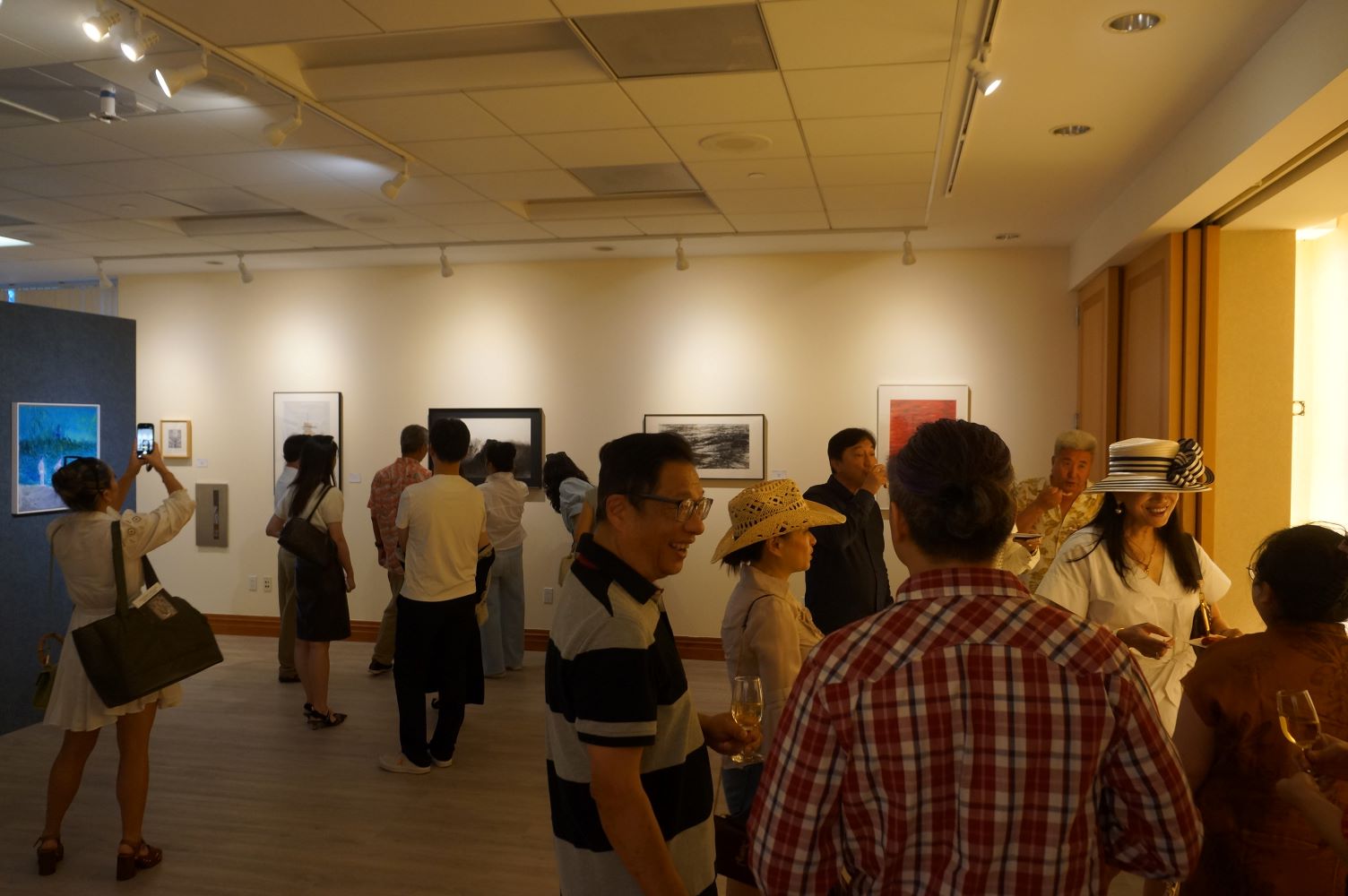
(Photo by: Richard Ren/LAPost)
For the Chinese-American arts community in Southern California, the exhibition carries another significance.
It does not treat Nanjing simply as a geographic label. Instead, Nanjing becomes a point of departure, with the artists’ individual experiences entering into a broader contemporary artistic conversation.
That may ultimately be the significance of Art Nanjing’s journey overseas. Once artworks leave their original cultural and geographic environment, they encounter new audiences and a different way of seeing.
For Los Angeles viewers, what they encounter is not simply “art from China,” but artists using their own visual languages to make sense of the world around them.
The organizers hope the exhibition will bring contemporary Chinese art closer to American audiences while giving viewers from different cultural backgrounds an opportunity to discover shared visual experiences.
At a time when art increasingly crosses national and cultural boundaries, meaningful cultural exchange may not be about transporting one culture intact into another. It may instead begin with the artwork itself becoming an open doorway — allowing people to look, question and discover, and to arrive at their own understanding of what they see.
The Contemporary Chinese Art — ART NANJING Los Angeles Exhibition will remain on view through October 11.
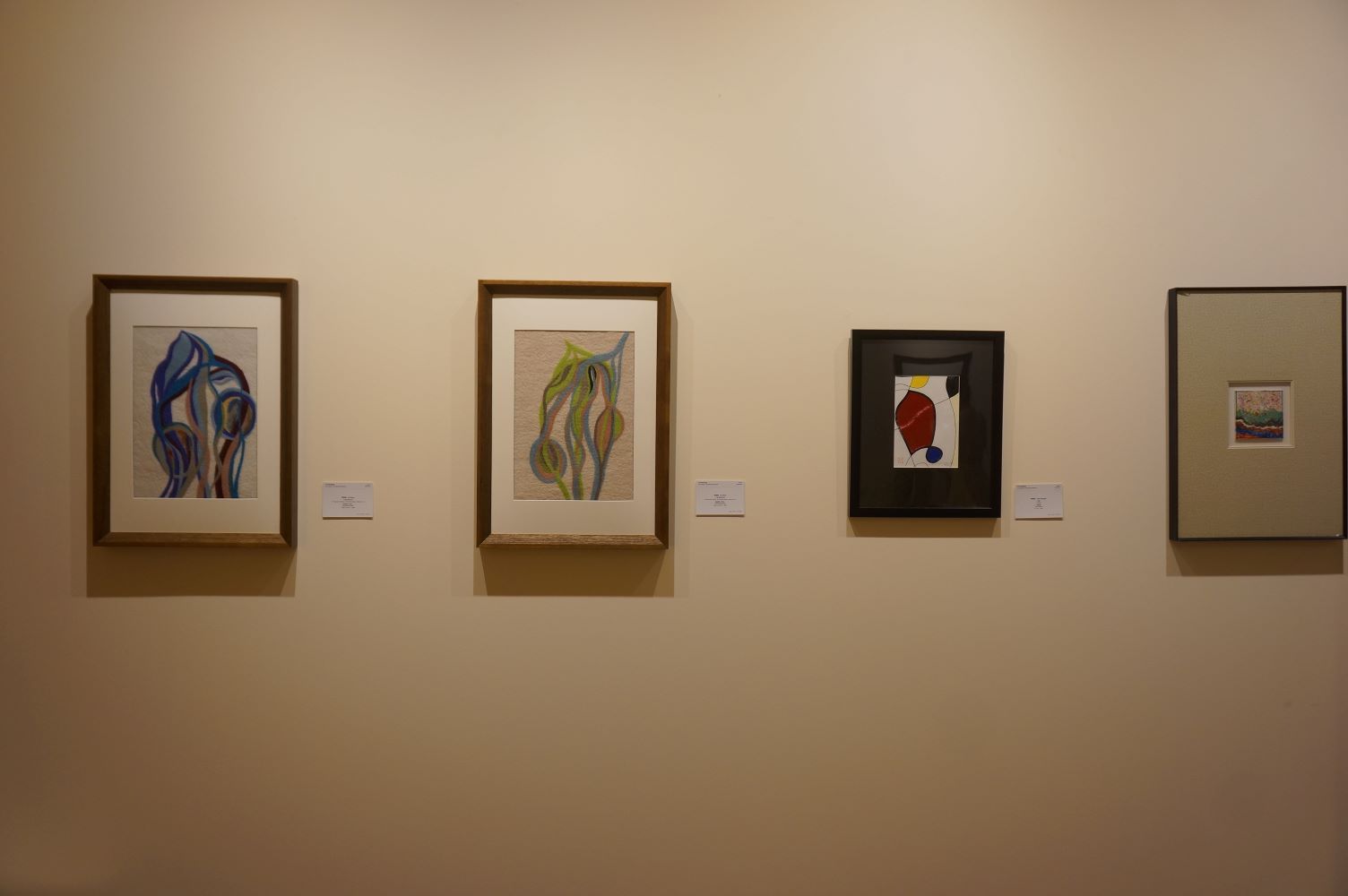
(Photo by: Richard Ren/LAPost)
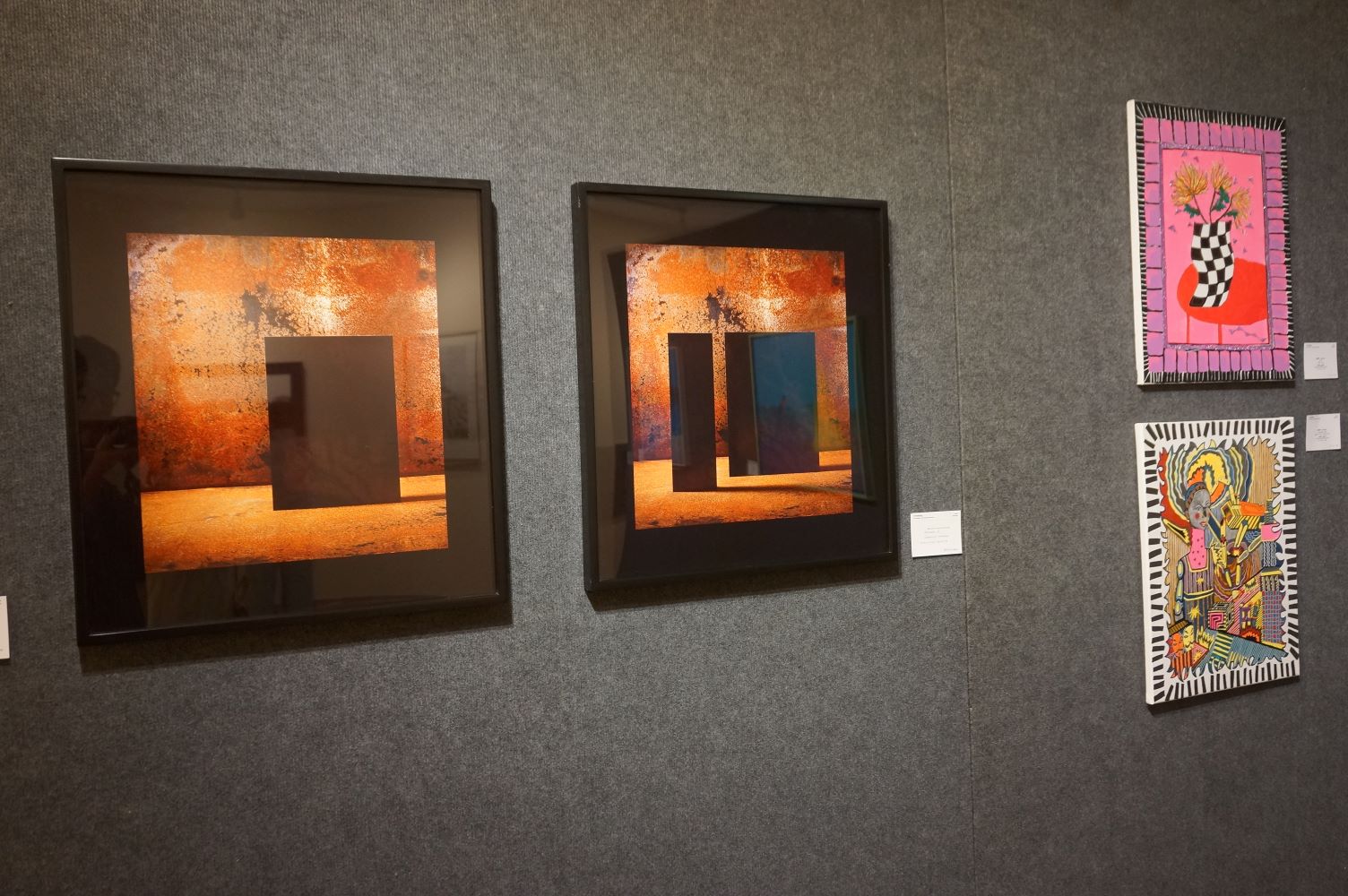
(Photo by: Richard Ren/LAPost)
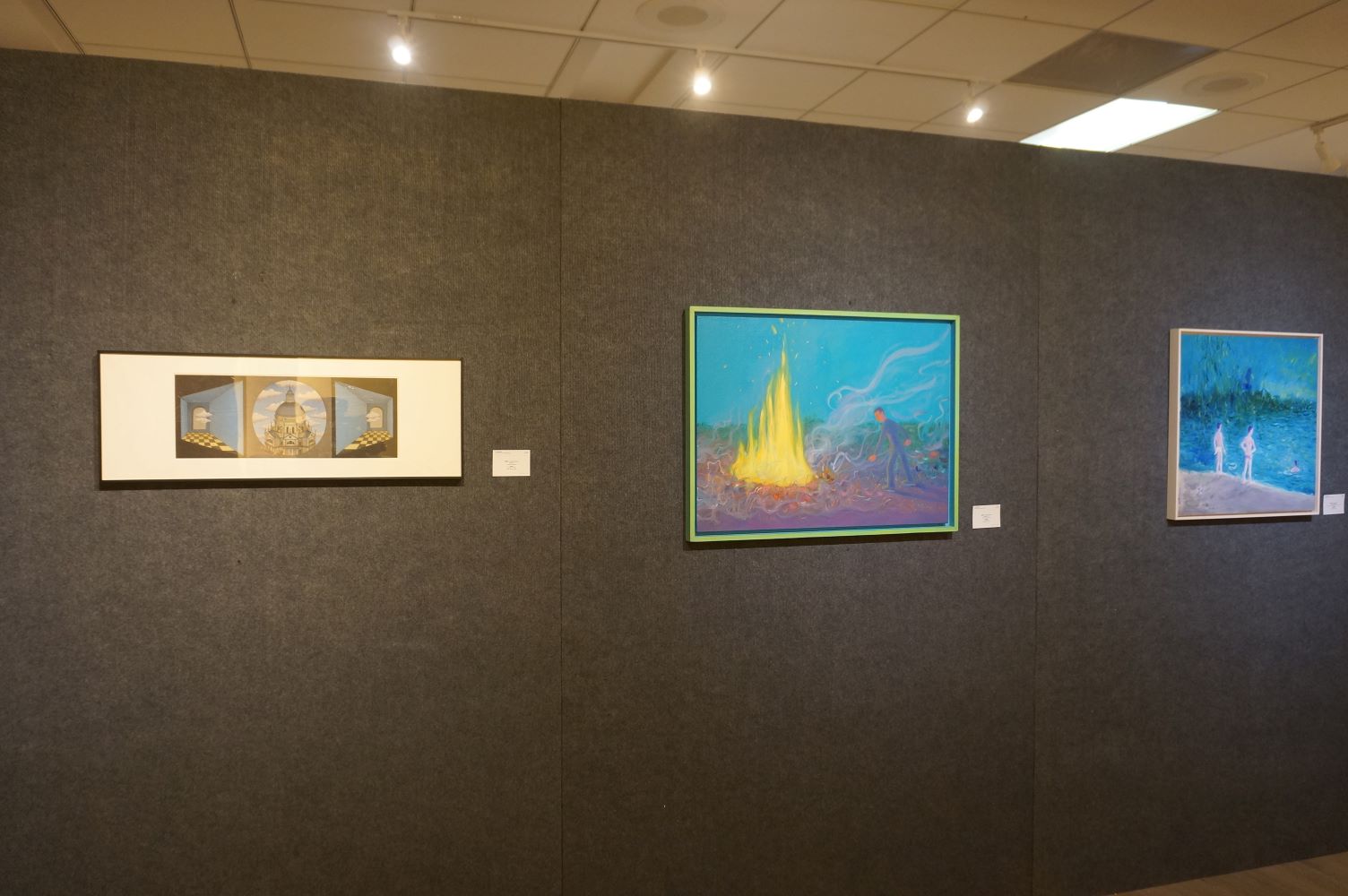
(Photo by: Richard Ren/LAPost)
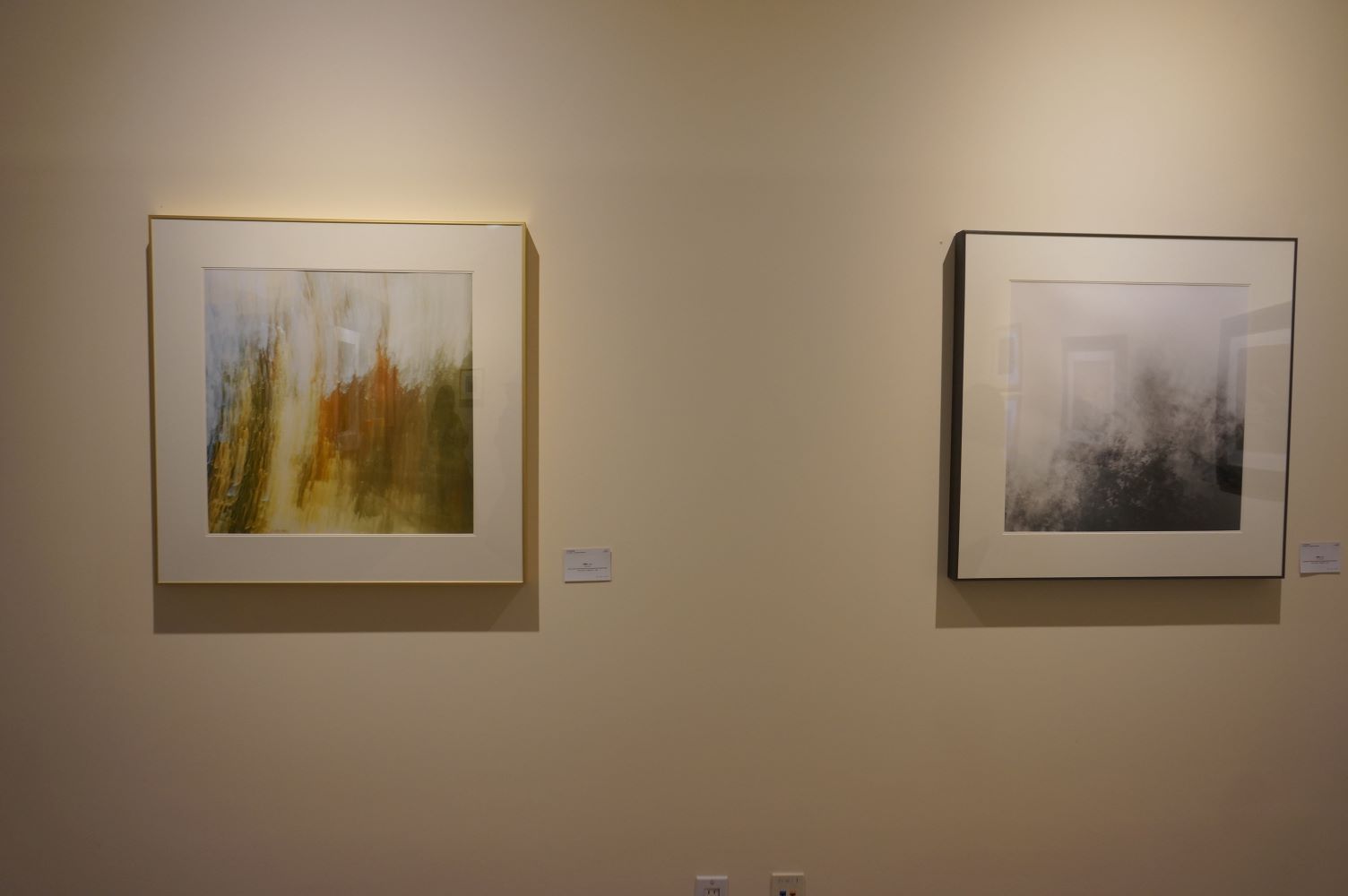
(Photo by: Richard Ren/LAPost)
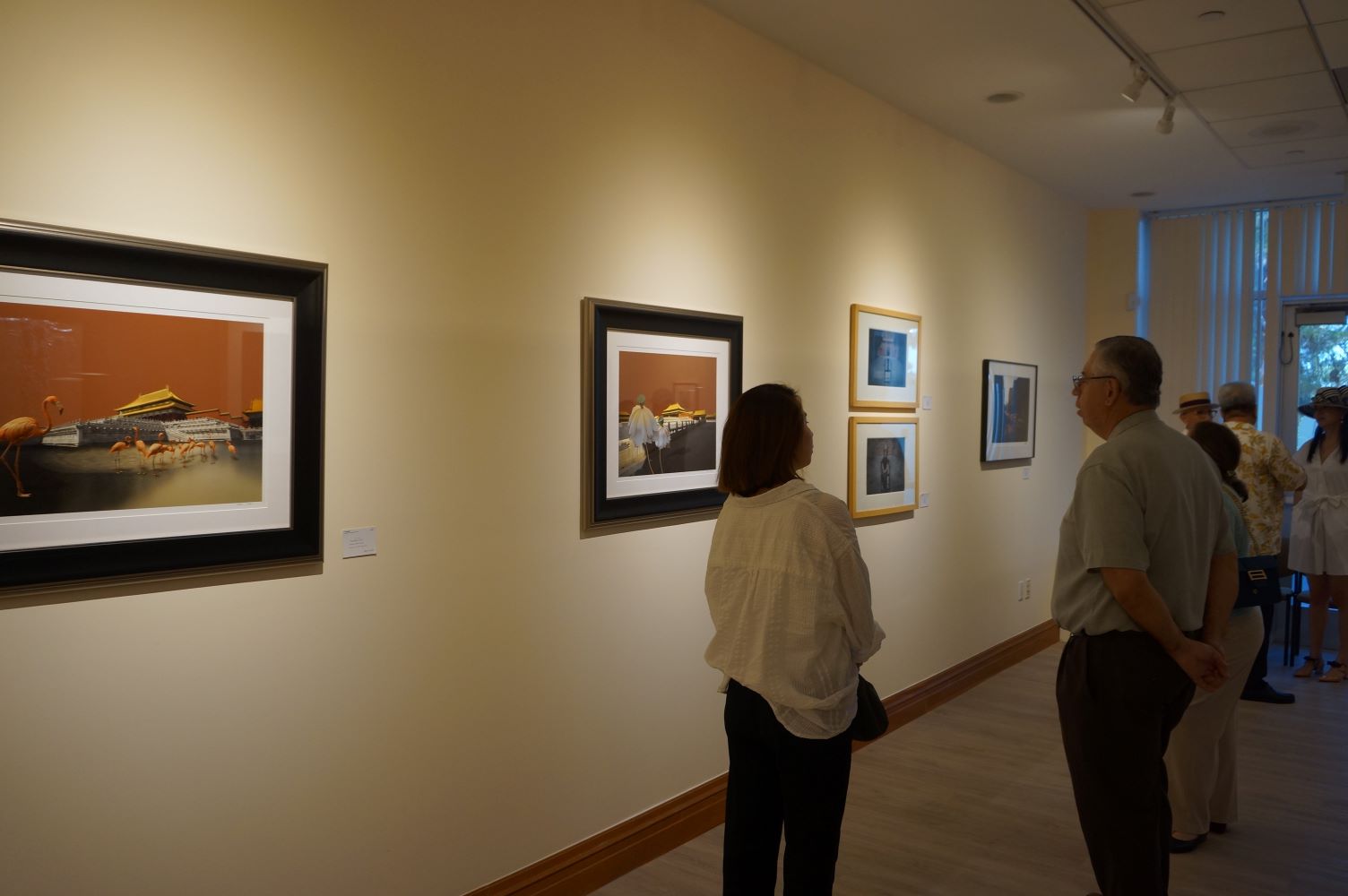
(Photo by: Richard Ren/LAPost)
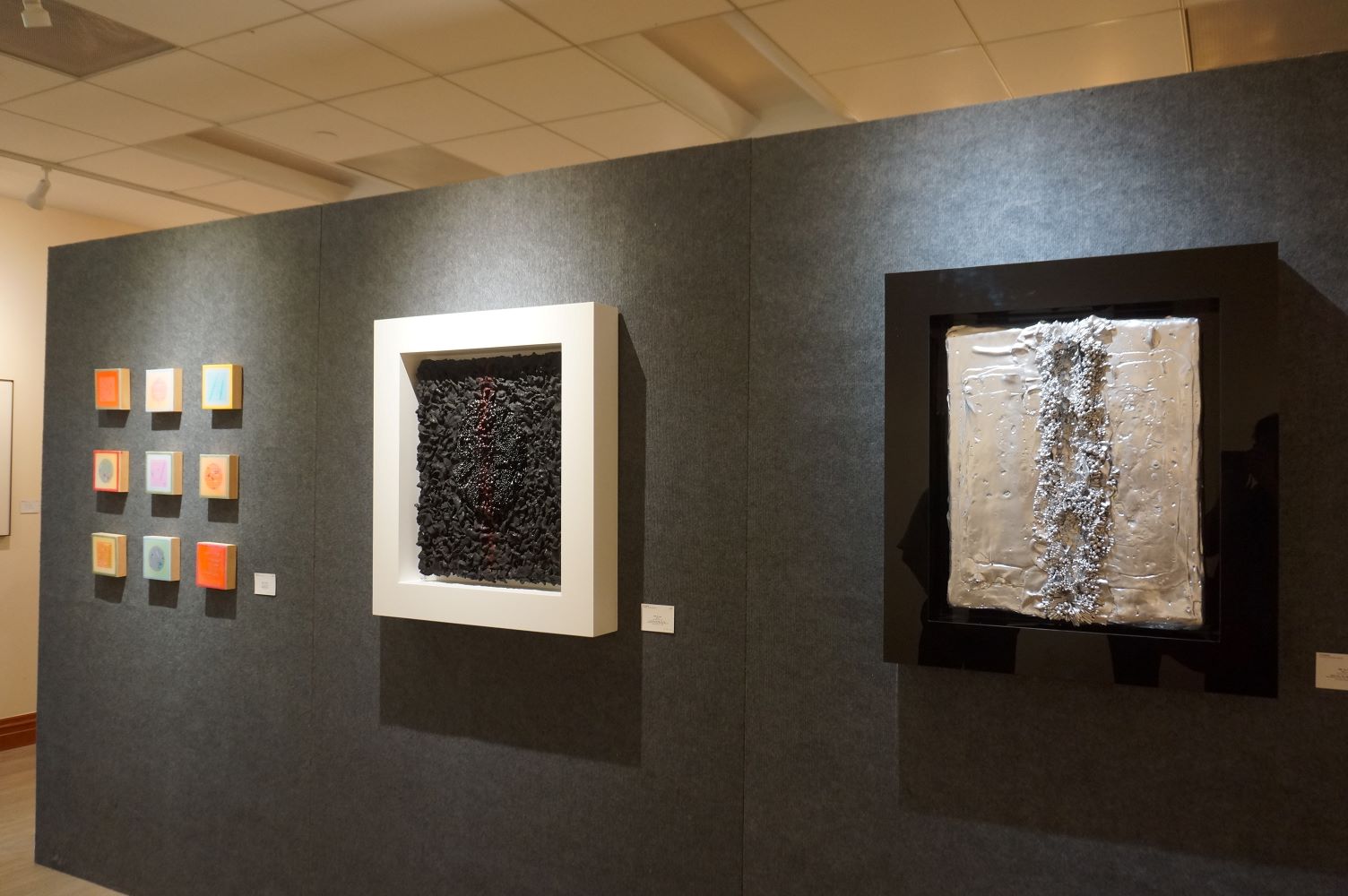
(Photo by: Richard Ren/LAPost)
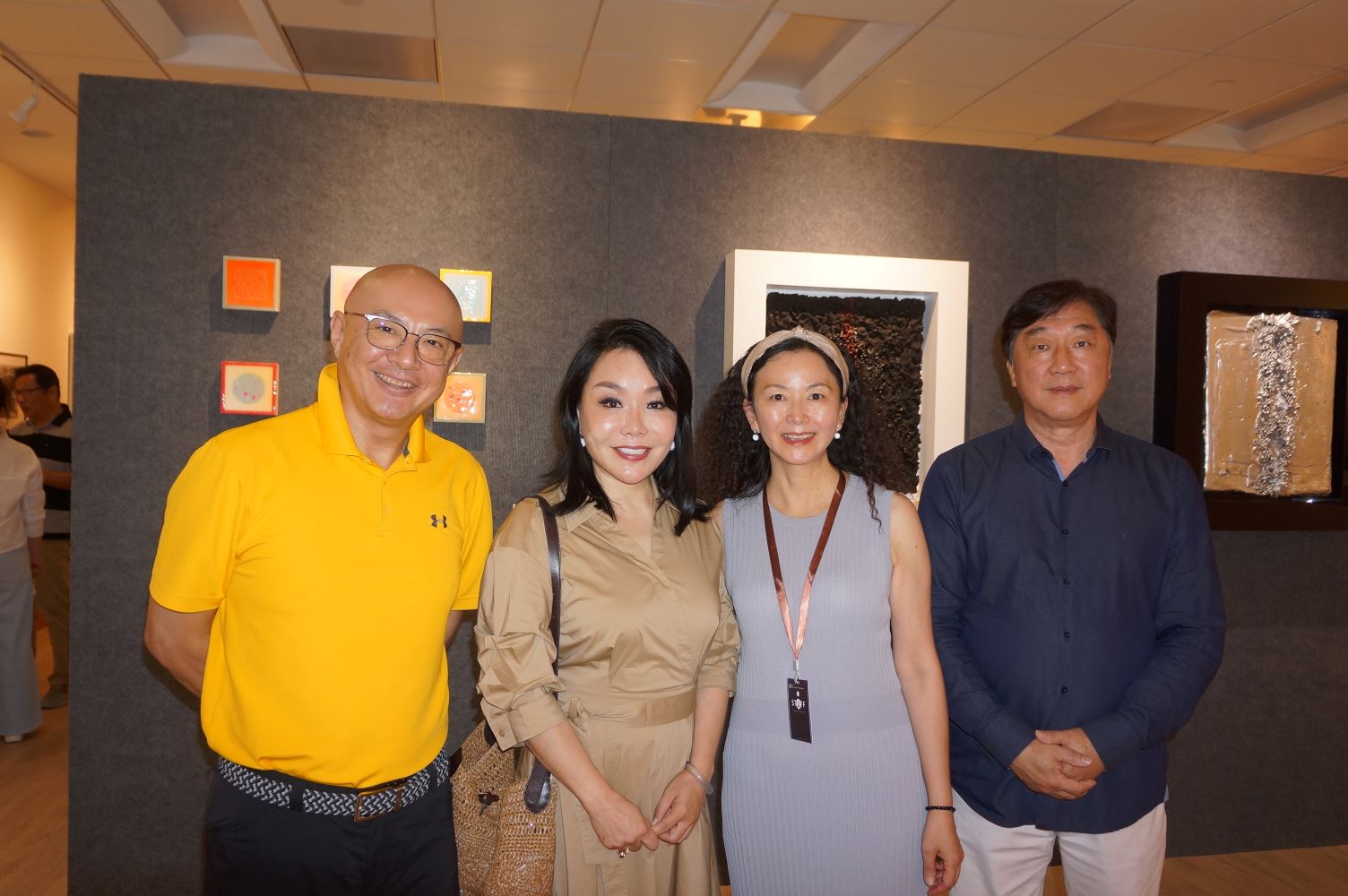
(Photo by: Richard Ren/LAPost)
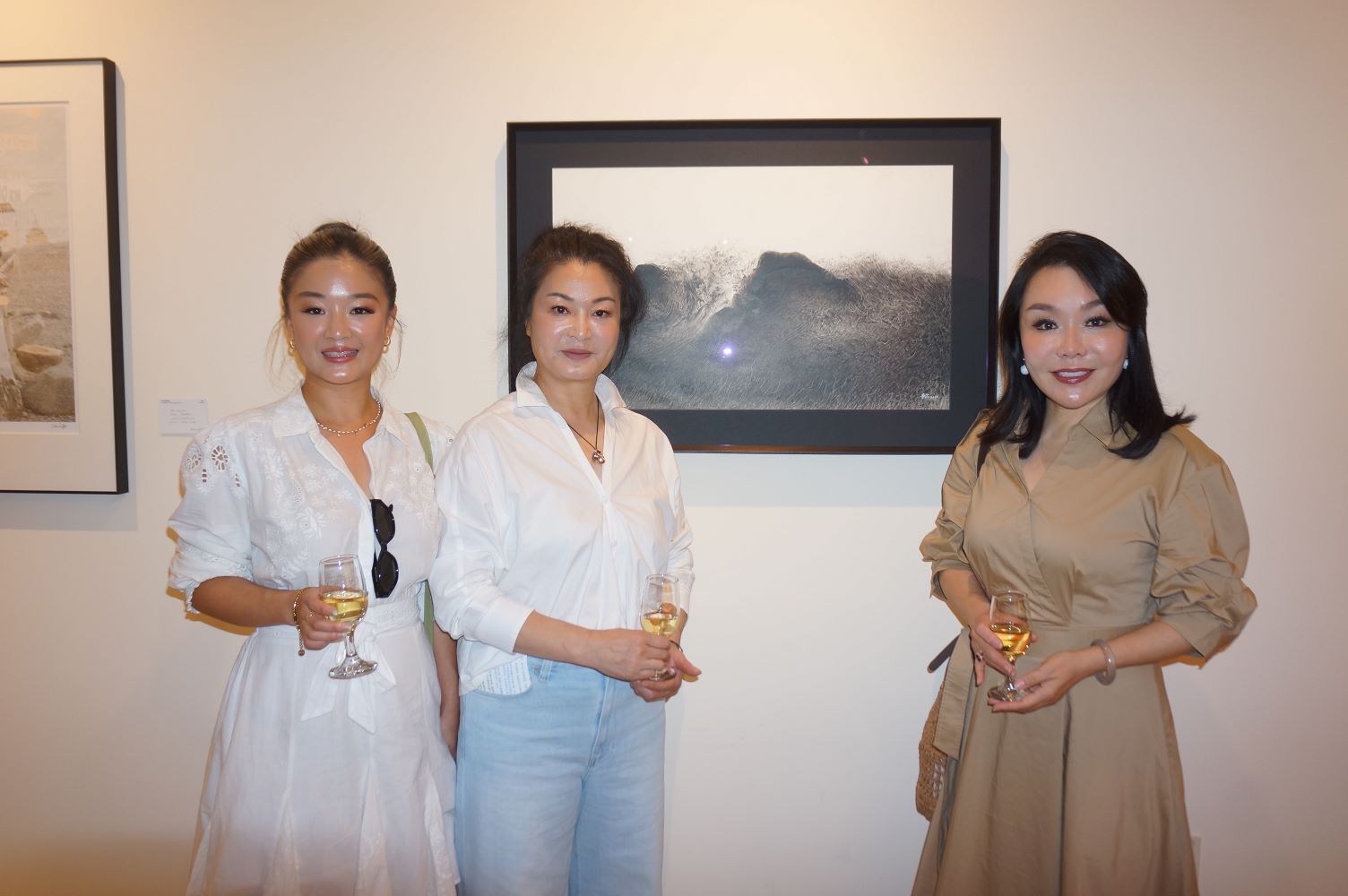
Fei Li (Middle)(Photo by: Richard Ren/LAPost)
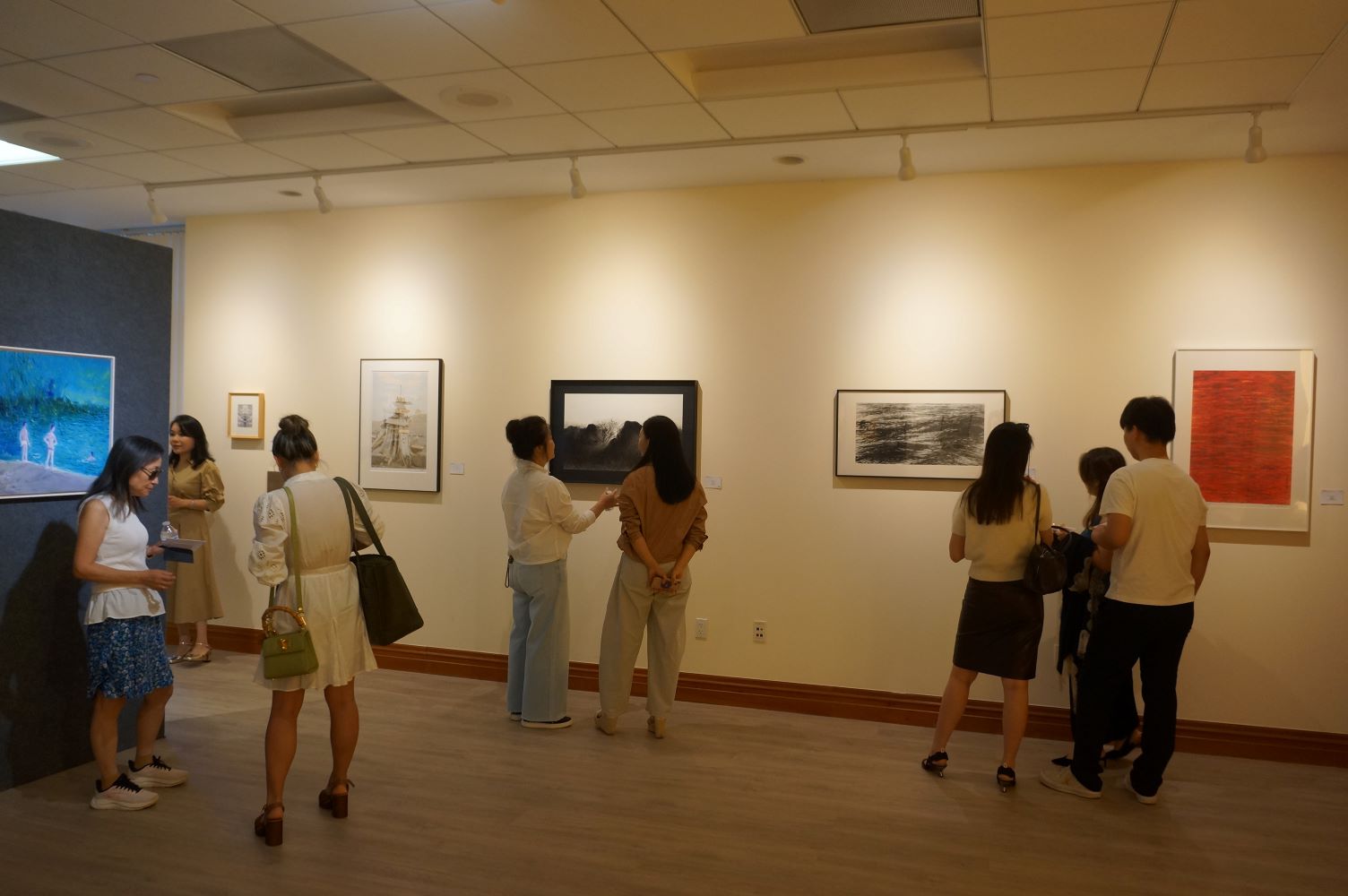
(Photo by: Richard Ren/LAPost)
| # | Наименование новости | Тональность | Информативность | Дата публикации |
|---|---|---|---|---|
| 1 | 当中国当代艺术跨越太平洋 Art Nanjing洛杉矶特展在周宁摄影博物馆开幕 | 0 | 40.58 | 05-10-2026 |
| 2 | Protected: 当中国当代艺术跨越太平洋 Art Nanjing洛杉矶特展在周宁摄影博物馆开幕 | 0 | 31.87 | 05-10-2026 |
| 3 | Chinese Consulate in Los Angeles Hosts National Day Reception, Highlights China-U.S. Exchanges and People-to-People Ties | 0 | 38.55 | 30-09-2026 |
| 4 | Herman Yau on ‘We’re Nothing at All’: Turning the Camera on Hong Kong’s Overlooked | 0 | 34.57 | 08-10-2026 |
| 5 | 中国驻洛杉矶总领馆举行国庆招待会 郭少春:推动中美地方交流与人民友好 | 0 | 41.57 | 30-09-2026 |
| 6 | Ten Years Together, One Enduring Spirit: Xidian University U.S. Alumni Association Celebrates 10th Anniversary in Los Angeles | 0 | 32.77 | 27-09-2026 |
| 7 | 陈毅燊ANSONBEAN谈《我们不是什么》:把伤痛化为表演,让孤独的人看见希望 | 0 | 53.62 | 09-10-2026 |
| 8 | Alysa Liu is Being Honored Through Murals Throughout California | 0 | 8.88 | 03-03-2026 |
| 9 | Ogden Museum Meditation - Oct 1, 2026 @ Ogden Museum of Southern Art | 0 | 18.03 | 03-10-2023 |
| 10 | Lee Kun-Hee Collection Expands to Europe With Opening of ‘Korea’ Exhibition at the British Museum | 0 | 10.17 | 01-10-2026 |